


A New Eye on the Cosmos
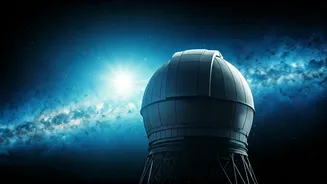
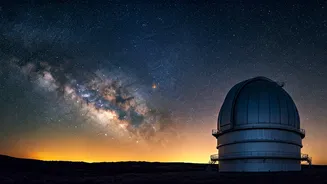
The Vera C. Rubin Observatory is a groundbreaking facility located on Cerro Pachón in the Chilean Andes. It is a joint project of the U.S. National Science Foundation (NSF) and the Department of Energy (DOE). At its heart is the Simonyi Survey Telescope,
an 8.4-meter instrument with a uniquely wide field of view, and the world's largest digital camera ever built for astronomy. This 3,200-megapixel camera, roughly the size of a small car and weighing over three tons, is powerful enough to capture a new, incredibly detailed image of the sky roughly every 40 seconds. It's named after Vera Rubin, an pioneering astronomer whose work provided crucial evidence for the existence of dark matter.
The Greatest Movie Ever Made
The observatory's primary mission is the Legacy Survey of Space and Time (LSST), a ten-year project to survey the entire visible southern sky. Unlike traditional telescopes that focus on specific objects, Rubin will systematically scan the sky, returning to the same patch every few nights. Over the decade, each spot in the sky will be imaged about 800 times. This relentless cadence will create the most comprehensive time-lapse record of the universe ever attempted, essentially a high-definition movie of the cosmos. This approach is revolutionary because it focuses on the dynamic, changing nature of the universe, capturing everything from exploding stars to moving asteroids in near-real time.
Unlocking Cosmic Mysteries
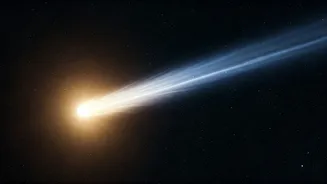
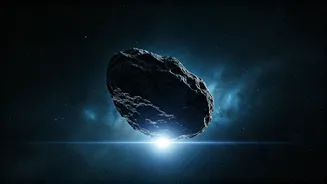
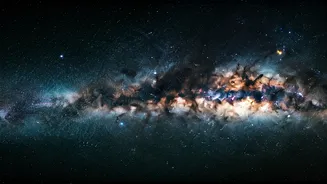
The LSST has four primary science goals. First, it will probe the nature of dark energy and dark matter, the mysterious components that make up about 95% of the universe. Second, it will create a vast inventory of the solar system, discovering millions of asteroids and comets. Even during its early testing phase, it found over 11,000 new asteroids. Third, it will map the structure and evolution of our own Milky Way galaxy. Finally, it will explore the transient sky—things that blink, flare, or explode, such as supernovae. Scientists expect to discover entirely new phenomena they can't yet predict.
A Deluge of Data
This unprecedented survey will generate an equally unprecedented amount of data: about 10 terabytes every single night. Over the ten-year mission, this will amount to a staggering volume of information that will be thousands of times larger than any previous astronomical catalog. To handle this data deluge, a sophisticated system has been developed. Within 60 seconds of an image being taken, automated systems will compare it to previous images, identify any changes, and send out alerts to astronomers worldwide. This system could generate up to 10 million alerts per night, flagging new supernovae, moving asteroids, or other interesting events for immediate follow-up by other telescopes.