




The Context of SMOPS-2026
The International Conference on Spacecraft Mission Operations (SMOPS) is a major event where global space agencies, scientists, and industry leaders gather to shape the future of space exploration. The 2026 conference, held in Bengaluru, focused heavily
on themes like automation, artificial intelligence (AI), and managing large satellite constellations. Discussions at the event underscored a critical evolution in space missions: the move away from constant human control toward smarter, more independent spacecraft. This shift isn't just a futuristic concept; it's a present-day necessity driven by the sheer complexity and scale of modern space operations, from mega-constellations like Starlink to ambitious deep-space journeys.
Why We Need Autonomous Spacecraft
The push for automation is driven by two main factors: distance and data. For missions to Mars and beyond, the communication delay makes real-time human control impossible. An instruction from Earth can take minutes or even hours to reach its destination, by which time a critical situation could be over. Closer to home, the explosion in the number of satellites—projected to reach as many as 70,000 in the coming years—makes manual operation by human teams completely impractical. Automation is essential for managing these vast networks efficiently. By automating routine tasks, space agencies and private companies can reduce the immense cost and manpower required, freeing up human experts to focus on more complex challenges.
Defining a 'Routine Decision' in Orbit
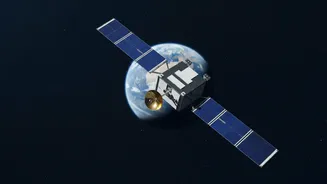
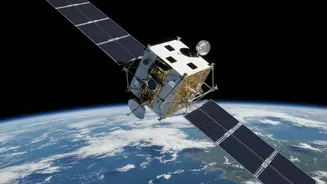
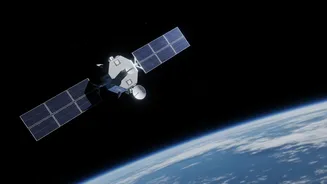
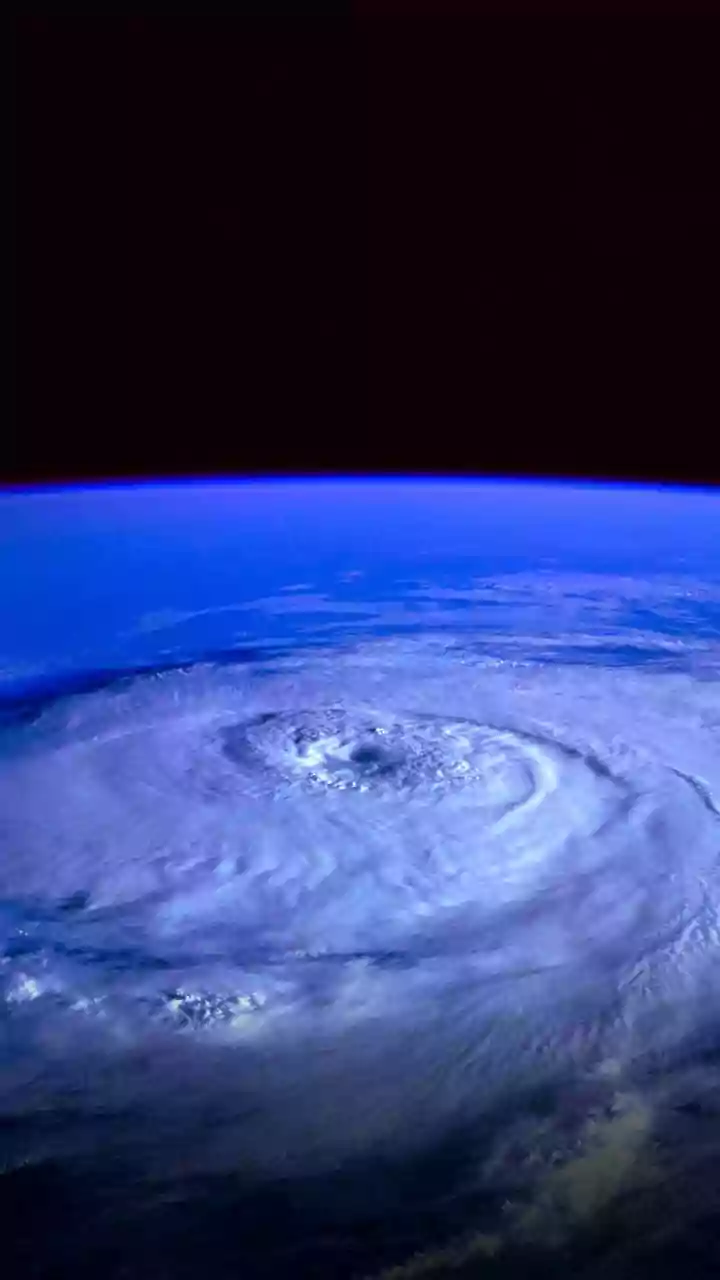
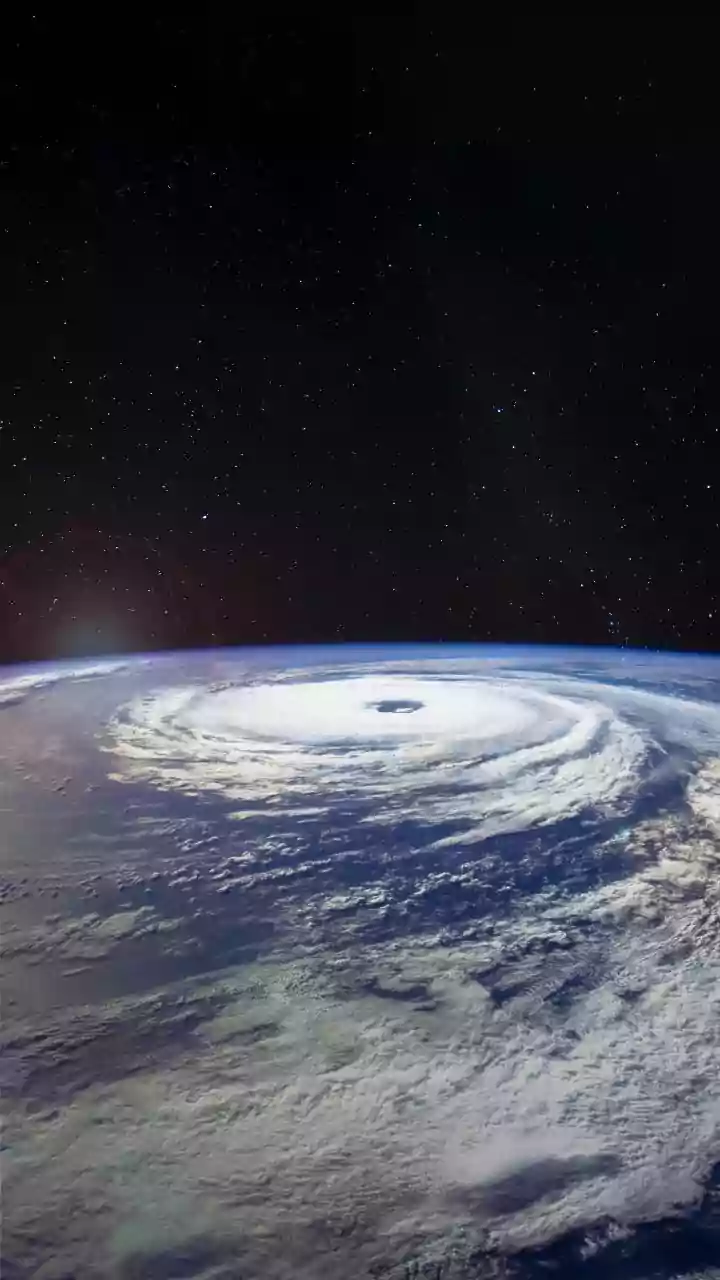
So, what are these routine decisions being handed over to AI? They are not the dramatic, mission-altering choices seen in movies. Instead, they are the mundane but essential housekeeping tasks that keep a spacecraft functioning optimally. This includes adjusting solar panels to track the sun for maximum power, managing thermal systems to prevent overheating or freezing, performing regular health checks on subsystems, and making minor trajectory adjustments to maintain orbit or avoid debris. For an Earth-observation satellite, a routine decision might involve autonomously identifying and capturing imagery of a specific geological feature or weather event without waiting for a command from the ground. These are high-volume, low-risk tasks that are perfectly suited for algorithms to handle.
How AI Makes the Call
Spacecraft autonomy operates on a few different levels. The simplest form is rule-based, where the spacecraft follows a pre-programmed set of 'if-then' instructions. For example, 'if battery level drops below 20%, orient solar panels toward the sun'. More advanced systems use machine learning, where an AI is trained on vast amounts of data from previous missions to recognize patterns, predict outcomes, and make decisions. This allows a satellite to do more of its own data processing in orbit, sending back only the most important information, which saves time and bandwidth. The ultimate goal is 'goal-oriented' autonomy, where ground control gives the spacecraft a high-level objective—like 'maintain this orbit for 30 days'—and the AI figures out the necessary steps to achieve it.
The Human in the Loop
Ceding control to machines doesn't mean humans are obsolete; it simply changes their role. The industry standard is to keep a 'human in the loop' or 'human on the loop'. A human operator might not be flying the spacecraft with a joystick, but they are setting the boundaries and rules within which the AI operates. This supervisory role involves monitoring the autonomous system's performance, reviewing its decisions, and being ready to intervene in unexpected situations or 'edge cases' that the AI wasn't trained to handle. Think of it less as a pilot and more as an air traffic controller for a fleet of intelligent craft. This partnership allows for the best of both worlds: the speed and efficiency of automation, guided by the experience and judgment of human experts.