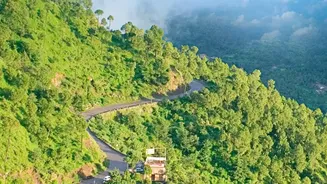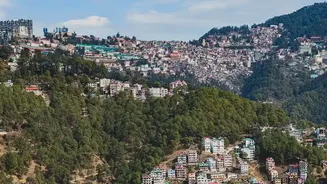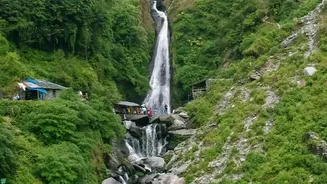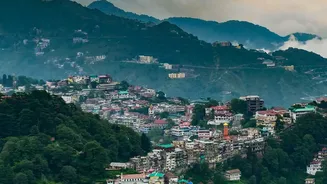




The Paradise Lost to Gridlock
The very idea of a hill station was once synonymous with escape. Today, for destinations like Shimla, Manali, Mussoorie, and Nainital, the reality is often the opposite. Recent tourist seasons, especially during summer heatwaves, have seen these towns
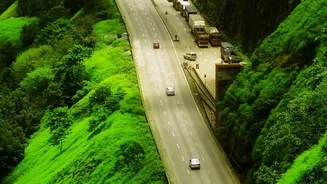
pushed to their breaking point. Roads leading into these destinations become choked with bumper-to-bumper traffic, with journeys from cities like Delhi taking double the usual time. In May and June 2026, Manali saw up to 40,000 visitors on weekends, while Shimla recorded an influx of 1.5 million vehicles over just 45 days. This surge is not just a matter of inconvenience; it strains every piece of local infrastructure, from parking and waste management to the most critical resource of all: water.
Why Is This Happening Now?
Several factors are converging to create this crisis of overtourism. The primary driver is mass tourism from the plains, with millions seeking refuge from soaring temperatures. Improved road connectivity and the opening of infrastructure like the Atal Tunnel have made remote areas more accessible than ever, but without corresponding upgrades in town planning. Furthermore, the power of social media has turned once-quiet hamlets into viral must-visit spots, concentrating tourist footfalls in a few highly 'Instagrammable' locations and creating queues for everything from cafes to scenic viewpoints. This combination of climate-driven travel, easier access, and digital influence has created a perfect storm, overwhelming towns originally built for much smaller populations.
The Ecological Cost of Tourism
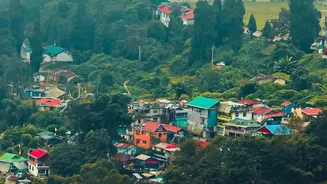
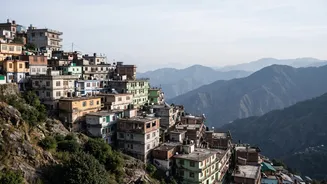
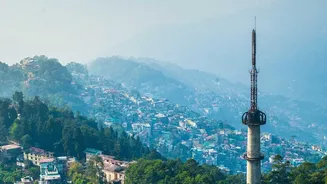
Beyond the crowded Mall Roads, a more profound crisis is unfolding in the fragile Himalayan ecosystem. Unregulated construction to build more hotels and homestays is leading to deforestation and destabilized slopes, increasing the risk of landslides. Waste management systems are collapsing under the sheer volume of refuse, and water sources are being depleted, creating severe shortages for residents even as tourist demand peaks. Experts have repeatedly warned that these hill towns are exceeding their 'carrying capacity'—the maximum number of people an environment can sustain without being degraded. The consequences are visible not just in overflowing bins, but in the long-term damage to biodiversity and the very landscapes people come to see.
The Latest Developments: Are Authorities Responding?
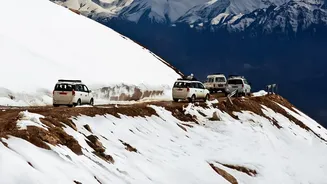
In response to the growing crisis, both courts and governments have begun to intervene. The Supreme Court and the National Green Tribunal (NGT) have pushed for states to conduct 'carrying capacity' studies for all major hill towns in the Himalayan region. These studies are intended to form the basis of new master plans for sustainable development. Some measures are already in effect. The NGT, for instance, has capped the number of daily tourist vehicles allowed to visit Rohtang Pass near Manali at 1,200 to reduce environmental damage. Authorities in Nainital and Mussoorie have also experimented with daily tourist limits and vehicle restrictions during peak season. In Shimla, police have been deploying five-point strategies, including diverting traffic to bypass routes to ease the pressure on the city's core.
Finding a Sustainable Path Forward
The long-term survival of these beloved destinations depends on a fundamental shift in approach. Experts and committees appointed by the NGT have proposed a range of solutions. These include developing and promoting lesser-known destinations to distribute the tourist load, implementing a 'green tax' on visitors to fund sustainable infrastructure, and enforcing strict regulations on construction. Another key recommendation is to create robust monitoring systems for the Himalayan environment to make data-driven decisions on tourism. For tourists, this may mean accepting a future where access to the most popular spots is regulated, requires advance booking, or is more expensive. For governments, it means prioritizing long-term ecological health over short-term economic gains from unchecked tourism.