



Venus at Its Most Brilliant
Throughout September, the planet Venus will be a stunningly bright jewel in the western sky shortly after sunset. It reaches its peak brightness for the year around September 18-22, shining more brightly than any other star or planet. Its brilliance makes
it easy to spot even from city suburbs. On September 14, look for a beautiful pairing as the slender crescent Moon passes very close to Venus, creating a memorable photo opportunity just after dusk.
A Parade of Planets
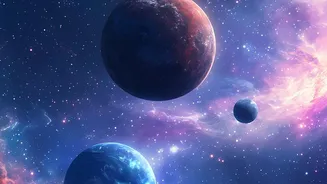
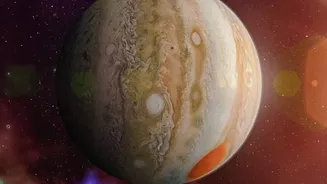
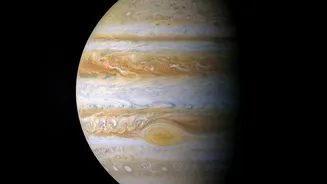
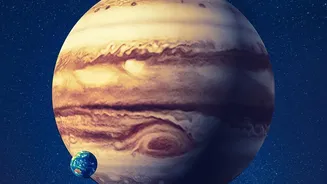
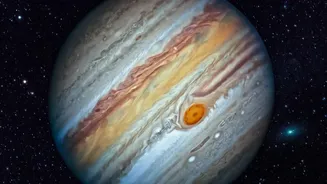
September is a fantastic month for planet-watching. While Venus dominates the evening, yellowish Saturn will be visible for most of the night, rising in the east not long after sunset. For early risers, the pre-dawn eastern sky is home to two more bright planets: Mars and the unmistakably bright Jupiter. On the morning of September 8, the thin crescent Moon will have a very close encounter with Jupiter, offering a spectacular sight before sunrise.
The Famous Harvest Moon
The full moon on Saturday, September 26, is the renowned Harvest Moon. This is the name given to the full moon that falls closest to the autumnal equinox. Historically, its light helped farmers work late into the evening to bring in their crops. A unique feature of the Harvest Moon is that it rises at nearly the same time—just after sunset—for several evenings in a row. On the night it turns full, look for the planet Saturn shining nearby, making for a beautiful celestial pairing.
A Subtle Meteor Shower
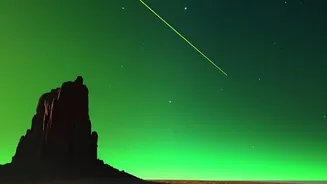
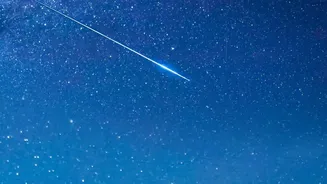
While not as dramatic as the August Perseids, the September Epsilon Perseid meteor shower provides a good reason to look up. The shower peaks on the night of September 9, and conditions in 2026 are nearly perfect for viewing as it coincides with a new moon, meaning darker skies. From a dark location away from city lights, you might spot around 5 to 8 meteors per hour. The best time to watch is after midnight, looking toward the constellation Perseus in the northeastern sky.
The Autumnal Equinox Arrives
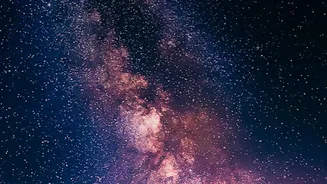
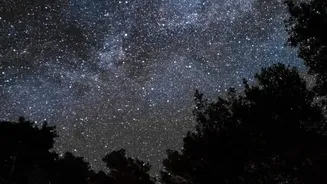
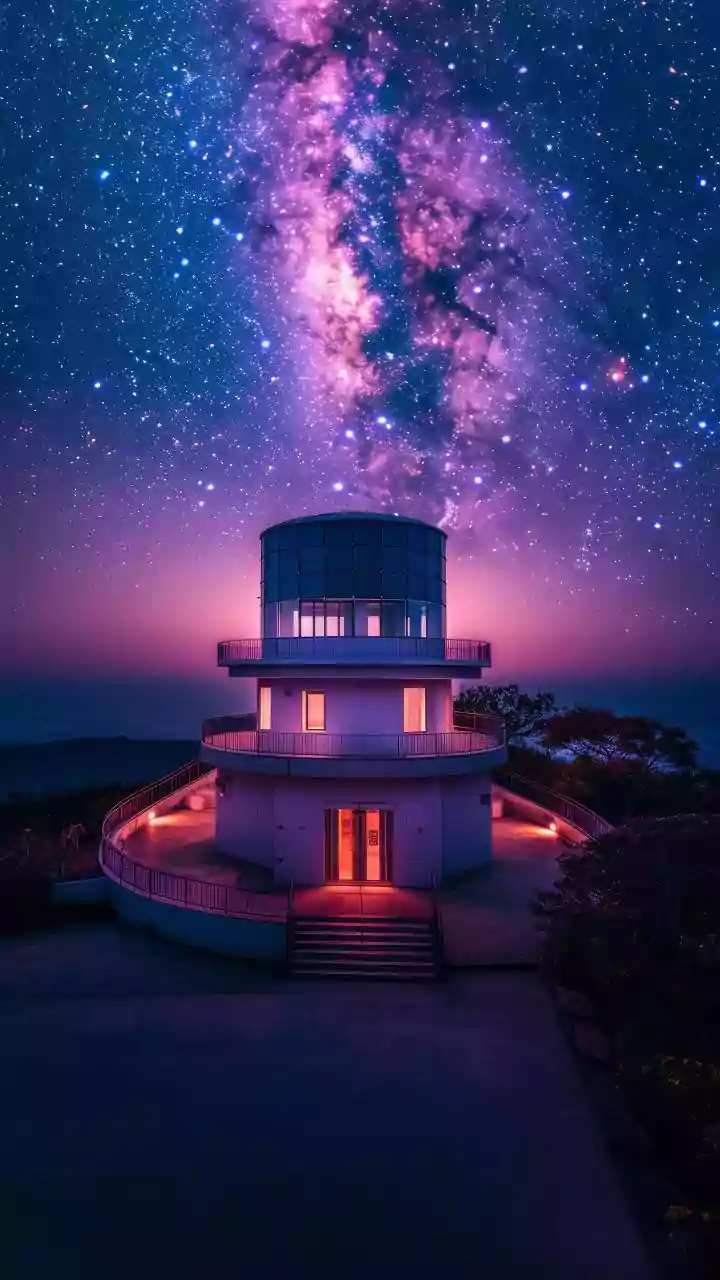
The official start of autumn in the Northern Hemisphere, the autumnal equinox, occurs on September 22 or 23, depending on your time zone. On this day, the Earth's axis isn't tilted toward or away from the sun, resulting in nearly equal hours of daylight and darkness across the globe. For stargazers, this celestial event marks a transition in the sky, as the prominent constellations of summer begin to give way to the stars of autumn. This is also a great time to try and spot the faint glow of the Milky Way before it sinks lower in the evening sky.
Tips for the Best Viewing
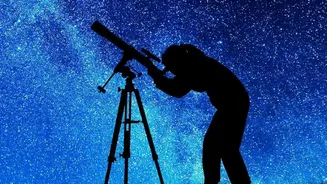
To make the most of these celestial events, try to find a location away from bright city lights. Places like the Rann of Kutch, Spiti Valley, or designated dark sky reserves like Hanle in Ladakh offer pristine viewing conditions. Even a local park or a rural area outside your city can make a big difference. Allow your eyes about 20-30 minutes to fully adjust to the darkness. While most of these events are visible to the naked eye, a pair of binoculars will enhance your view of Jupiter's moons, Saturn's shape, and faint star clusters.