

The Science of Ripening
The secret behind this rapid ripening is a colorless, odorless gas called ethylene. Ethylene is a natural plant hormone that triggers the ripening process in many fruits and vegetables. It tells the fruit to soften, change color, and develop the sweet
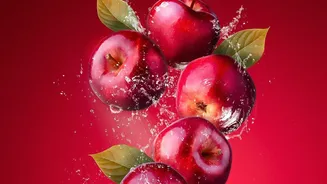
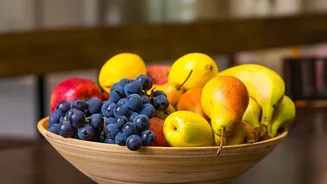
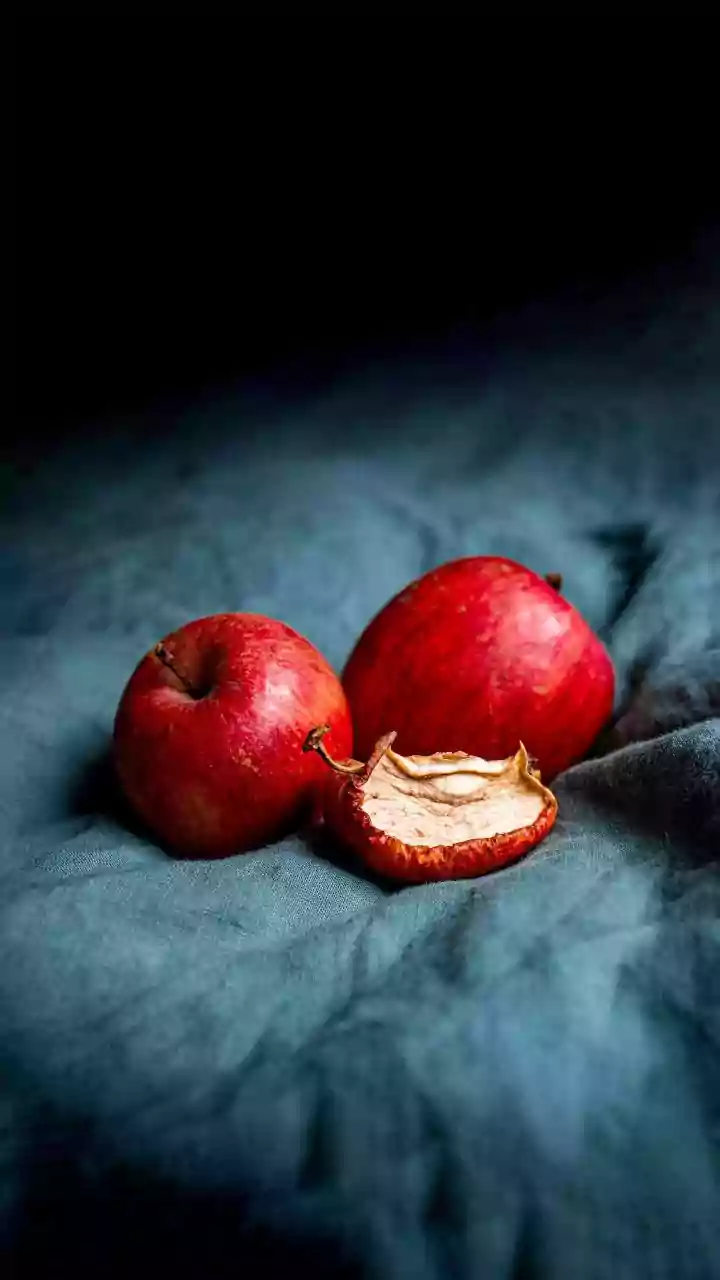
flavors and aromas we associate with ripeness. Fruits that produce ethylene are known as “climacteric” fruits. Apples are notorious for being high ethylene producers, releasing a steady amount of this gas as they sit on your counter. This makes them a powerful, if unintentional, ripening agent for any sensitive produce stored nearby.
Bananas: A Special Case
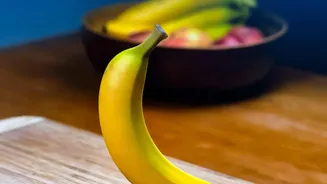
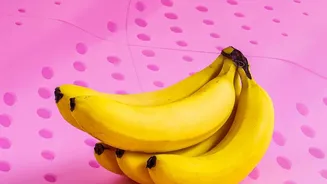
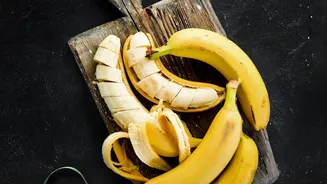
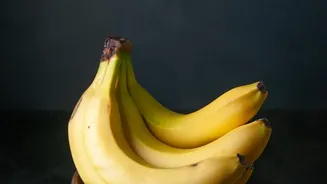
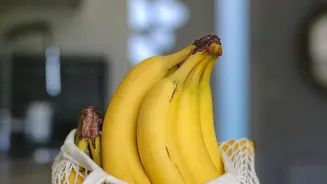
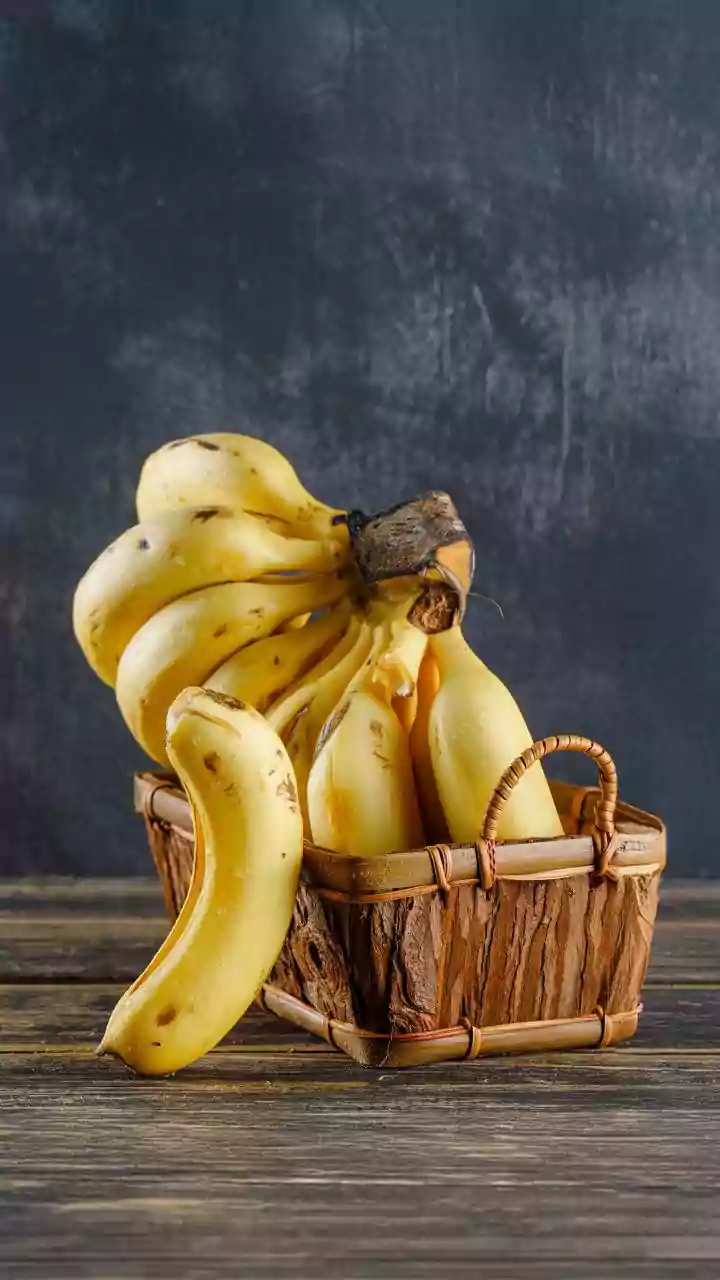
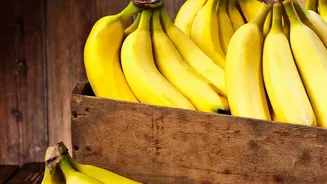
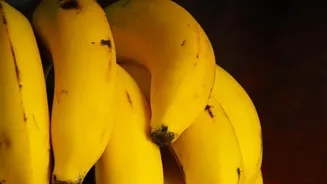
Bananas are unique because they are both high producers of ethylene and are also extremely sensitive to it. When a banana starts to ripen, it releases its own ethylene gas, which in turn signals it to produce even more ethylene. This creates a powerful feedback loop that causes bananas to ripen very quickly on their own. When you place an apple next to a bunch of bananas, you're essentially flooding the area with the very gas that tells bananas to accelerate their ripening journey. The external ethylene from the apple kicks the bananas' own ripening process into high gear, leading to faster softening and browning.
How to Slow It All Down
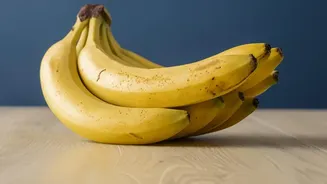
If you want to keep your bananas perfectly yellow for longer, the key is to control their exposure to ethylene gas. The simplest step is to store your bananas away from apples and other high ethylene-producing fruits like pears, peaches, and avocados. Give your bananas their own spot on the counter. Another popular and effective trick is to wrap the stems of the banana bunch in plastic wrap. Most of the ethylene is released from the stems, so covering them can significantly slow the ripening process. Once your bananas have reached your desired level of ripeness, you can place them in the refrigerator. The cold temperature slows down the chemical process of ripening. The peel may turn dark brown or black in the fridge, but the fruit inside will remain fresh and firm for several more days.
Using Ripening to Your Advantage
This science doesn't just have to be about preventing spoilage; you can also use it to your advantage. If you have rock-hard avocados, underripe peaches, or green bananas that you want to use soon, you can harness the power of ethylene. Simply place the underripe fruit in a paper bag with an apple or a ripe banana. The paper bag will trap the ethylene gas, concentrating it around the fruit and speeding up the ripening process significantly. Check the fruit daily, as this method can work in just a day or two. It's a perfect trick for when you need to make guacamole or banana bread on short notice.
Beyond Apples and Bananas
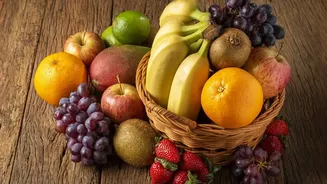
Understanding ethylene helps you manage your entire produce drawer. Ethylene-producing fruits include not just apples and bananas, but also cantaloupes, kiwis, pears, plums, and tomatoes. Keep these separate from ethylene-sensitive produce. Items that are highly sensitive to the gas and can spoil, wilt, or become bitter when exposed include broccoli, carrots, leafy greens, cucumbers, and cauliflower. Storing your high-producers separately from your sensitive items is a fundamental rule of thumb for reducing food waste and getting the most out of your groceries.