






The Science of Bitterness
The primary reasons your mint chutney turns bitter are surprisingly simple. First, over-blending is a major culprit. When mint leaves are ground for too long in a high-speed mixer, the heat generated can cause the essential oils, including menthol, to turn rancid
and release bitter compounds. Second, oxidation plays a role; when the ground leaves are exposed to air, they can darken and develop an off-taste. Finally, the compounds in the mint itself can be overpowering if not balanced correctly with other ingredients.
The Stem of the Problem
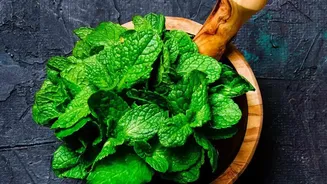
One of the most common mistakes is including the mint stems in the chutney. While the tender stems of coriander are flavourful and can be included, mint stems are tough and contain a higher concentration of bitter compounds. To avoid a bitter outcome, always take the time to pluck the mint leaves from their stalks. This single step can dramatically improve the final taste of your chutney, keeping it fresh and palatable. Only the leaves should make it into your blender.
The Golden Ratio: Mint to Coriander
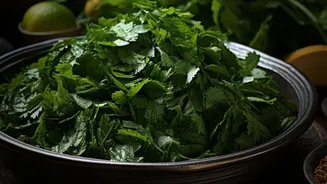
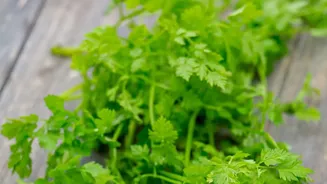
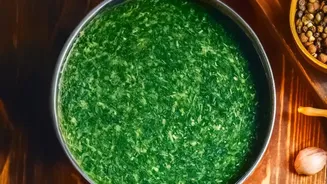
Mint is a powerful herb, and using too much of it is a guaranteed way to get a bitter result. The secret to a well-balanced green chutney is using coriander (dhaniya) to soften mint's aggressive flavour. While there's no single perfect ratio, a widely recommended starting point is a 2:1 ratio of coriander to mint. This means for every one cup of packed mint leaves, you should use two cups of packed coriander leaves. The coriander adds body, flavour, and helps neutralize any potential bitterness from the mint, creating a more harmonious blend.
Technique Tips for a Perfect Blend
How you blend is just as important as what you blend. To combat the heat from the blender blades, which contributes to bitterness, try pulsing the ingredients in short bursts rather than running the motor continuously. Another pro tip is to add one or two ice cubes to the blender. This keeps the temperature down, preserving the fresh flavour and vibrant green colour of the herbs. Using a little ice-cold water as needed can also help achieve a smooth consistency without generating excess heat.
Balancing with Other Flavours
Beyond coriander, other ingredients are crucial for creating a delicious, multi-dimensional chutney. Acidity is key to cutting through bitterness and preserving colour. A generous squeeze of lemon or lime juice added after blending is essential. Adding it directly to a metal blender jar can sometimes cause a reaction, so it's often best to stir it in at the end. A pinch of sugar or a small amount of honey can balance the flavours, while ingredients like ginger, garlic, green chillies, and roasted cumin powder provide warmth and depth.
Can a Bitter Chutney Be Saved?
If you've already made a batch of chutney and it tastes bitter, don't throw it out just yet. You can often rescue it. Try adding more of the balancing ingredients. Blending in some more coriander leaves, a bit of plain yogurt, or some roasted gram dal (putani) can help mellow the bitterness. Adding more lemon juice, a touch of sugar, or some black salt can also help to mask and rebalance the flavour profile. Adjust these additions slowly and taste as you go until the bitterness is under control.