





The Problem with Liquids
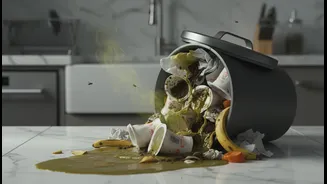
Pouring leftover dal, curries, gravies, or even soured milk directly into your dustbin might seem like the easiest way to dispose of them, but it’s the primary cause of many waste-related woes. When organic waste is mixed with excess moisture, it kickstarts
rapid decomposition. This anaerobic (oxygen-free) breakdown process is what generates the strong, offensive odours that attract flies, rodents, and other pests. Furthermore, this liquid mixes with other decomposing materials to create a toxic sludge known as leachate. This leachate not only makes the bin heavy and messy but can also leak out, contaminating its surroundings and creating a public health hazard. For waste collectors, leaking and extra-heavy bins pose significant challenges, making their work more difficult and hazardous.
Environmental Consequences
The issue extends far beyond your home. When this wet, heavy waste reaches a landfill, the problems multiply. The lack of oxygen in tightly packed landfills means the organic matter continues to break down anaerobically, releasing methane, a potent greenhouse gas. The leachate, now concentrated with pollutants from all sorts of waste, can seep into the ground, posing a serious threat to groundwater and local water bodies. This contamination can harm aquatic ecosystems and even find its way into the water supply. By adding liquids to our bins, we contribute directly to this environmental cycle of pollution, turning everyday food scraps into a much larger problem.
First Step: Separate at the Source
The most effective solution begins in the kitchen, long before anything reaches the bin. The first rule is to separate liquids from solids. If you have leftover curry, use a strainer to separate the solid vegetables and proteins from the liquid gravy. The solids can often go into your wet waste or compost bin with much less mess. The remaining liquid is what needs careful handling. Similarly, always drain excess liquid from food scraps before tossing them. This simple act of separation is crucial for cleaner, lighter, and less smelly waste management. It's a foundational habit for responsible waste disposal in any household.
Smarter Disposal Methods
Once you have the separated liquid, what do you do with it? Never pour fats, oils, or grease down the sink, as they can solidify and clog your pipes, leading to major plumbing issues. A better option is to collect these in a sealed container, like an old jar. Once it's full and the fat has solidified, you can often dispose of it with your solid waste. For water-based liquids like thin dal or soups, one effective method is to dilute them significantly with water and use them to water plants in your garden, provided they aren't excessively oily or salty. Some sources even suggest freezing liquid waste ahead of collection day to prevent spills and odour.
Embrace Composting
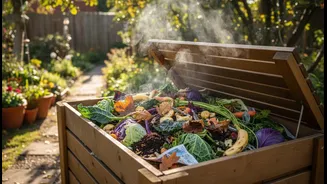
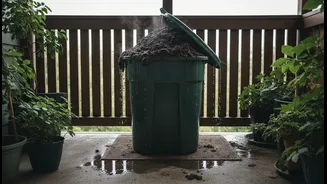
For households looking to take their waste management to the next level, composting is an excellent solution. Many Indian households are successfully turning their kitchen scraps into 'black gold' for their plants. While you can't pour large volumes of liquid into a compost pile, small amounts of non-oily food liquids can be absorbed by adding plenty of 'brown' materials like dried leaves, cardboard, or coco-peat. This balances the moisture and aids decomposition. Some composting systems even feature a tap to collect 'compost tea', a nutrient-rich liquid that can be diluted and used as a potent natural fertiliser for your garden. This turns your waste into a valuable resource, closing the loop in your own home.