







The Golden Rule of Balance
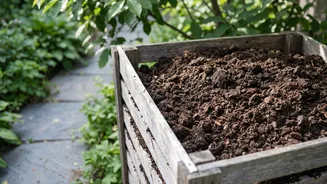
The secret to odour-free composting lies in one core principle: balance. Specifically, the balance between 'green' materials and 'brown' materials. A healthy compost pile should have an earthy smell, like a forest floor after rain. If it starts to smell foul,
like ammonia or rotten eggs, it's a clear sign the balance is off. Green materials are rich in nitrogen and include kitchen scraps like fruit and vegetable peels, coffee grounds, and fresh plant trimmings. Brown materials are rich in carbon and include things like shredded cardboard, dry leaves, paper towel tubes, and straw. Too much nitrogen-heavy green material leads to a slimy, smelly mess because it becomes compacted and wet. An ammonia-like smell specifically points to an excess of nitrogen.
Perfecting Your Green-to-Brown Ratio
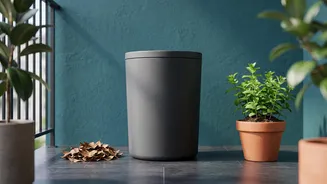
To prevent odours, you need more browns than greens. A widely recommended rule of thumb is to aim for a ratio of two to three parts brown material for every one part green material by volume. This doesn't need to be an exact science. The easiest way to manage this is to keep a bag of shredded cardboard or dry leaves next to your compost bin. Every time you add a container of kitchen scraps (greens), add two to three times that amount of browns on top. This carbon-rich layer acts as a natural filter, absorbing excess moisture and preventing smells from escaping. If your pile ever looks too wet or starts to smell, the immediate fix is always to add more brown material.
Mastering Moisture and Aeration
Beyond the material ratio, moisture and oxygen are the next critical factors. A putrid, rotten-egg smell is a classic sign that your compost has gone 'anaerobic,' meaning it lacks oxygen. This often happens when the pile is too wet, as water fills the air pockets needed by beneficial microbes. The ideal compost pile should feel like a wrung-out sponge—damp, but not dripping wet. If your bin is exposed to rain, ensure it has a cover. If it gets too wet, mix in more dry, brown materials to absorb the excess liquid. Aeration is just as important. Regularly turning or mixing your compost with a small garden fork or a compost aerator introduces oxygen, which prevents the anaerobic conditions that cause bad smells. For a balcony bin, ensure it has drainage holes at the bottom and ventilation holes on the sides.
What to Add (and What to Strictly Avoid)
What you put in your bin is as important as the green-to-brown ratio. Fruit and vegetable scraps, coffee grounds, crushed eggshells, and shredded paper are all excellent additions. However, some items will guarantee a smelly bin and attract pests. The number one rule is to never add meat, fish, bones, or dairy products. These items create a putrid stench as they decay and can introduce harmful pathogens. Likewise, avoid oily or greasy foods, as large amounts of oil can coat other materials, block oxygen, and lead to foul-smelling anaerobic conditions. While items like bread and pasta are technically compostable, they can also attract rodents and should only be added in very small amounts, buried deep within the pile.
Choosing the Right Bin for Your Balcony
The type of bin you use can also make odour management easier. Many people successfully use simple plastic bins, provided they are modified with plenty of drainage and aeration holes. Tumbling composters are another popular choice for small spaces as they make turning and mixing the compost effortless. For those wanting a nearly odourless indoor-to-balcony system, worm composting (vermicomposting) is an excellent option. Red wiggler worms process food scraps efficiently, producing nutrient-rich castings with minimal smell if maintained correctly. Bokashi bins, which use fermentation to pre-compost kitchen waste in an airtight container, are also very low-odour.