





Why Breed New Strawberries?
Most strawberries grown in India, particularly the popular varieties from Mahabaleshwar which accounts for about 85% of the country's production, are from foreign cultivars like Chandler, Camarosa, and Sweet Charlie. While these have been successful,
they aren't perfectly suited to India's diverse and challenging agro-climatic conditions. Farmers face issues with weather unpredictability, pests, and diseases, which can impact yield and fruit quality. Breeding new, indigenous varieties is crucial for developing plants that are more resilient to local heatwaves and diseases, require less chemical intervention, and produce fruit with desirable traits like better flavour, size, and a longer shelf life. This effort is a cornerstone of achieving self-reliance in the sector, reducing dependence on costly imported planting materials.
The Decade-Long Journey Begins
Developing a new fruit variety is not a simple task; it is a meticulous process grounded in traditional cross-breeding techniques. It takes anywhere from 8 to 15 years to bring a new strawberry from concept to commercial production. The journey begins in a greenhouse where researchers act as matchmakers. They select parent plants that exhibit desirable characteristics—one might have exceptional sweetness, while another shows strong resistance to a common fungus. Pollen from one parent is carefully transferred to the flower of the other. Once pollination is successful, the fruit develops, and its seeds, each holding a unique genetic combination, are harvested.
Years of Patience and Selection
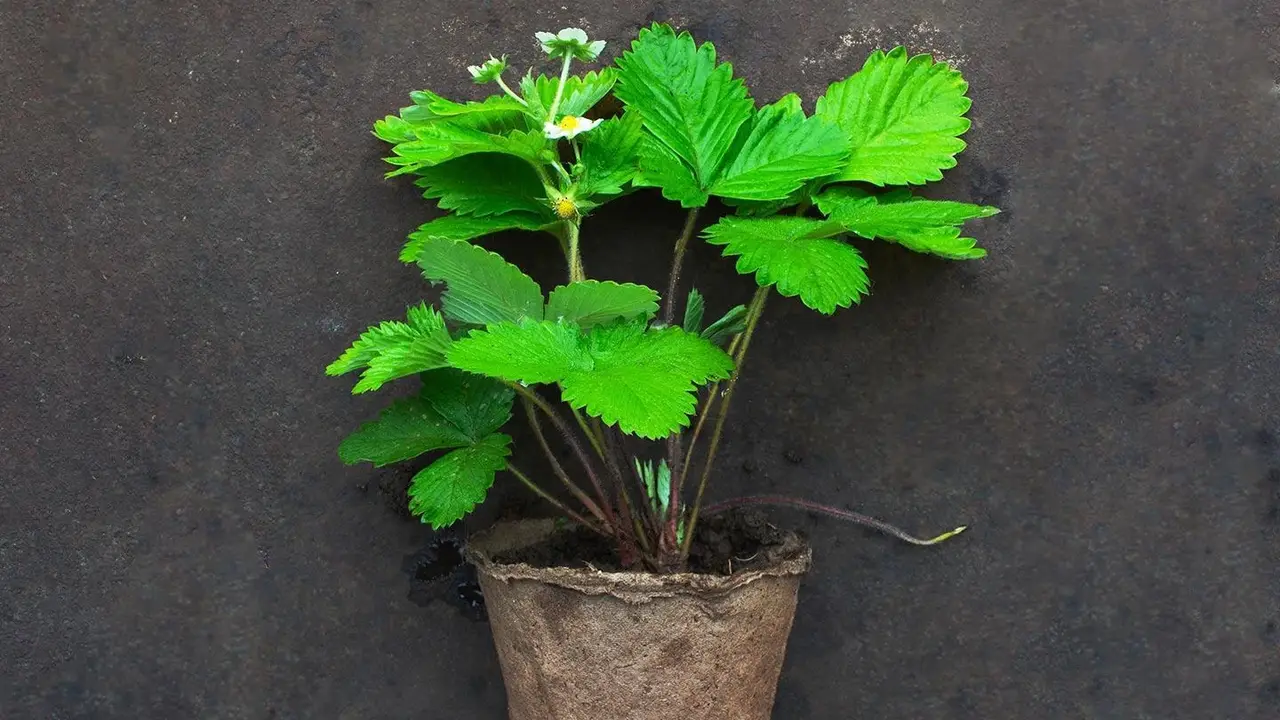
This is where the long wait truly begins. Scientists plant thousands of these seeds—sometimes up to 10,000 annually—and cultivate the resulting seedlings. Each seedling is a genetic gamble, a potential new superstar. For years, these plants are grown, monitored, and evaluated. Researchers look for a handful of individuals that exhibit the perfect blend of traits from their parents: high productivity, large fruit size, superior flavour, and natural resistance to pests and diseases. The vast majority, often more than 99%, do not make the cut and are discarded. This rigorous process of selection and elimination is repeated over several generations, with only the most promising plants being propagated for the next stage of trials.
From Lab to Land: The Final Hurdles
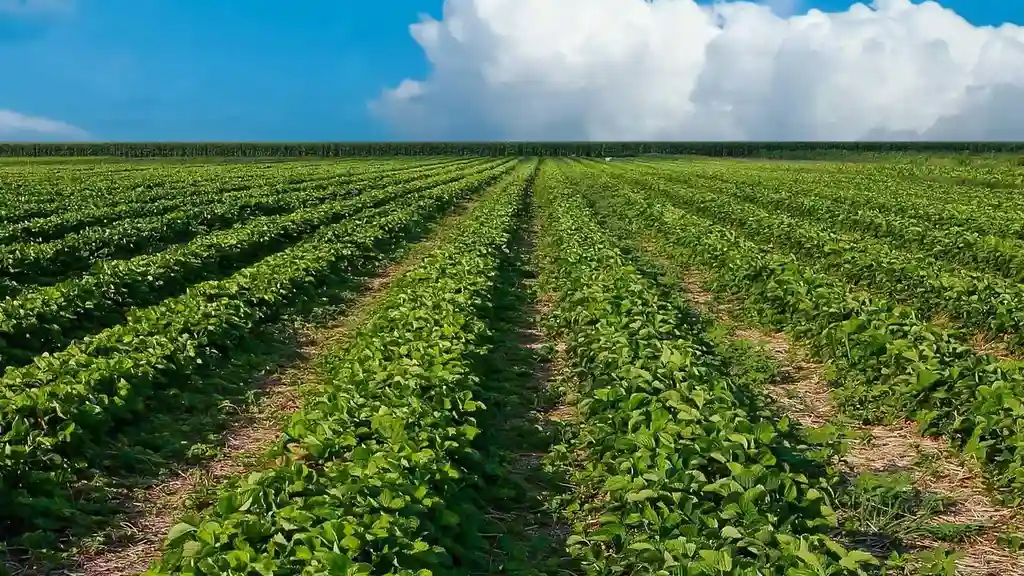
A plant that performs well in a controlled research environment must then prove itself in the real world. The elite selections are clonally propagated and sent to different agricultural zones across the country for multi-location trials. This phase tests the variety's adaptability to different soils, temperatures, and weather patterns. A strawberry that thrives in the cool climes of Himachal Pradesh might struggle in the warmer plains. Throughout this period, researchers collect data on yield, fruit quality, and durability. Once a variety consistently proves its superiority over existing ones, it undergoes a final set of regulatory approvals before it can be named and released for commercial cultivation. To ensure farmers get healthy, disease-free plants, the new variety is then mass-produced using modern tissue culture techniques.
The Payoff for India's Farmers and Consumers
The 10-to-15-year investment in breeding is a long-term strategy for building a stronger, more sustainable agricultural future. Recently, Indian institutions like Mahatma Phule Agricultural University have partnered with the Bhabha Atomic Research Centre to accelerate this process, using techniques to induce genetic mutations and fast-track development. The goal is to create India's first indigenous, climate-resilient strawberry varieties. For farmers, homegrown varieties mean lower input costs, reduced risk of crop failure, and potentially higher market prices for a superior product. For consumers, it translates to locally grown, high-quality strawberries that are available more consistently. This long and patient work in agricultural science is what allows India to move from being a consumer of foreign innovation to a creator of its own agricultural success stories.