





A Monsoon's Fury
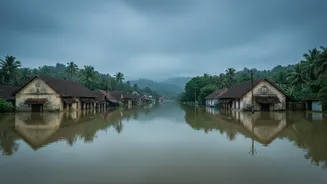
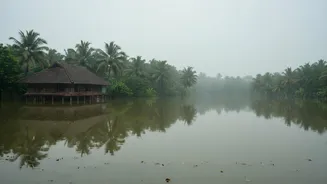
Days of relentless downpours have thrown normal life out of gear, particularly in the central and northern districts of the state. Rivers such as the Pamba, Manimala, and Meenachil have breached their banks, sending torrents of water into towns and villages.
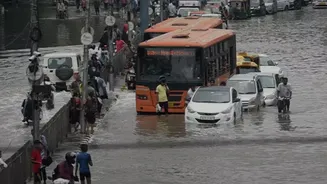
The India Meteorological Department (IMD) has issued a series of red and orange alerts, warning of extremely heavy rainfall in multiple districts, including Pathanamthitta, Kottayam, Idukki, Ernakulam, Wayanad, and Kozhikode. These alerts signify the highest level of warning, prompting authorities to prepare for the worst. The situation on the ground is grim, with flash floods submerging roads and isolating communities, while the hilly regions of Idukki and Pathanamthitta have witnessed multiple landslides. Some areas received an astonishing amount of rainfall in a short period, creating conditions similar to a cloudburst and overwhelming local infrastructure.
The Human Cost
The most immediate impact is on the people forced to flee their homes. According to official reports, the number of displaced individuals has surpassed 7,600, with many sources indicating the number could be much higher, with some figures reaching over 18,000 people. These families have been moved into hundreds of relief camps set up across the state, from Pathanamthitta to Wayanad. As of August 5, the death toll from rain-related incidents had tragically climbed to 26, with several people still reported missing. The floods have destroyed dozens of homes completely and left hundreds more partially damaged. For many, especially those in low-lying areas like Kuttanad and the towns of Ranni and Pala, this is a recurring nightmare, as they see their homes and businesses inundated once again.
A Massive Relief Effort
In response to the crisis, a massive multi-agency operation is underway. Teams from the National Disaster Response Force (NDRF), state Fire and Rescue Services, police, and thousands of volunteers are working around the clock. In Pathanamthitta, one of the worst-affected districts, rescue personnel worked for over 70 continuous hours to evacuate more than 3,600 people. These teams have been navigating treacherous, fast-flowing waters to rescue stranded residents, including the elderly and those with urgent medical needs, sometimes carrying them through waist-deep water to safety. Beyond evacuations, they are ferrying essential supplies like food, drinking water, and medicine to those marooned in their homes and in relief camps. Voluntary organizations like Seva Bharati have also been active on the ground, assisting with evacuations and distributing aid in at least six districts. The state government has announced financial assistance of ₹8 lakh for the families of the deceased and other relief measures for those who have lost property and livelihoods.
Echoes of the Past, Fears for the Future
This year's deluge brings back haunting memories of the catastrophic floods of 2018, which devastated the state. Experts point out that while disaster response mechanisms have improved since then, the state remains critically vulnerable. The recurring nature of these extreme weather events has reignited debates about land use, ecological degradation in the Western Ghats, and the undeniable impact of a changing climate. Ironically, this year's extreme rainfall followed a period of deficient monsoon, highlighting a pattern of long dry spells punctuated by short, intense bursts of rain that the landscape cannot absorb. The rapid and often unregulated construction on fragile slopes and the reclamation of wetlands and paddy fields, which once acted as natural sponges, are seen as major contributing factors that amplify the destruction. The current crisis is a stark reminder that preparing for future monsoons requires more than just efficient rescue operations; it demands a long-term strategy that respects the region's delicate ecology.