

The Vegetarian Paradox Explained
In India, where vegetarianism is widespread, there's a growing health contradiction known as the 'Indian vegetarian paradox'. Despite avoiding meat, the nation is facing a significant rise in type 2 diabetes, with over 101 million people diagnosed. The
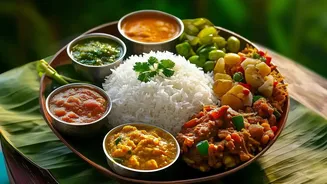
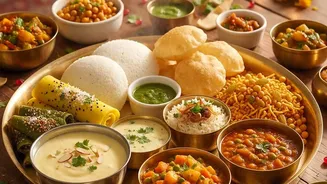
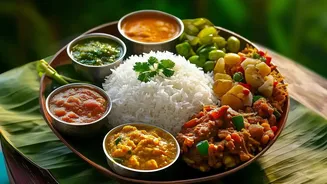
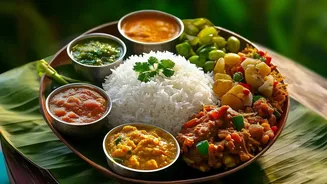
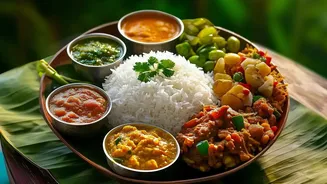
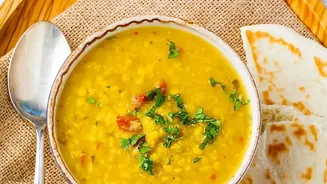
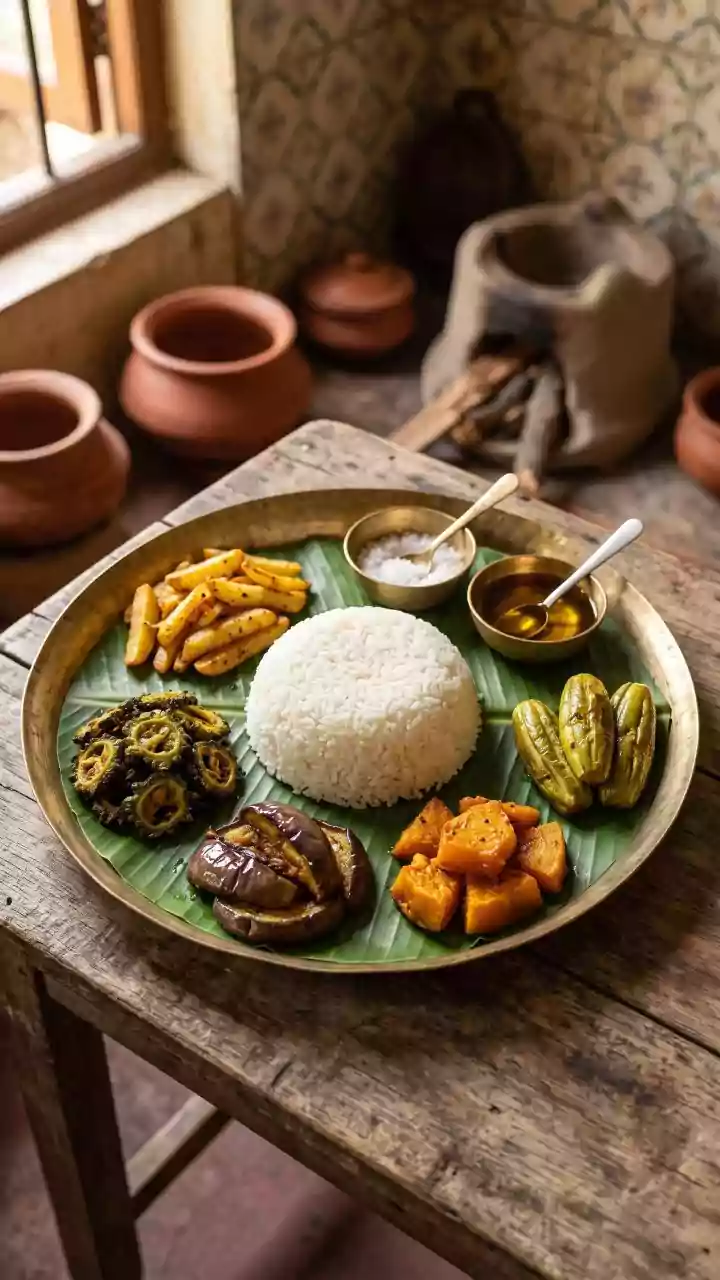
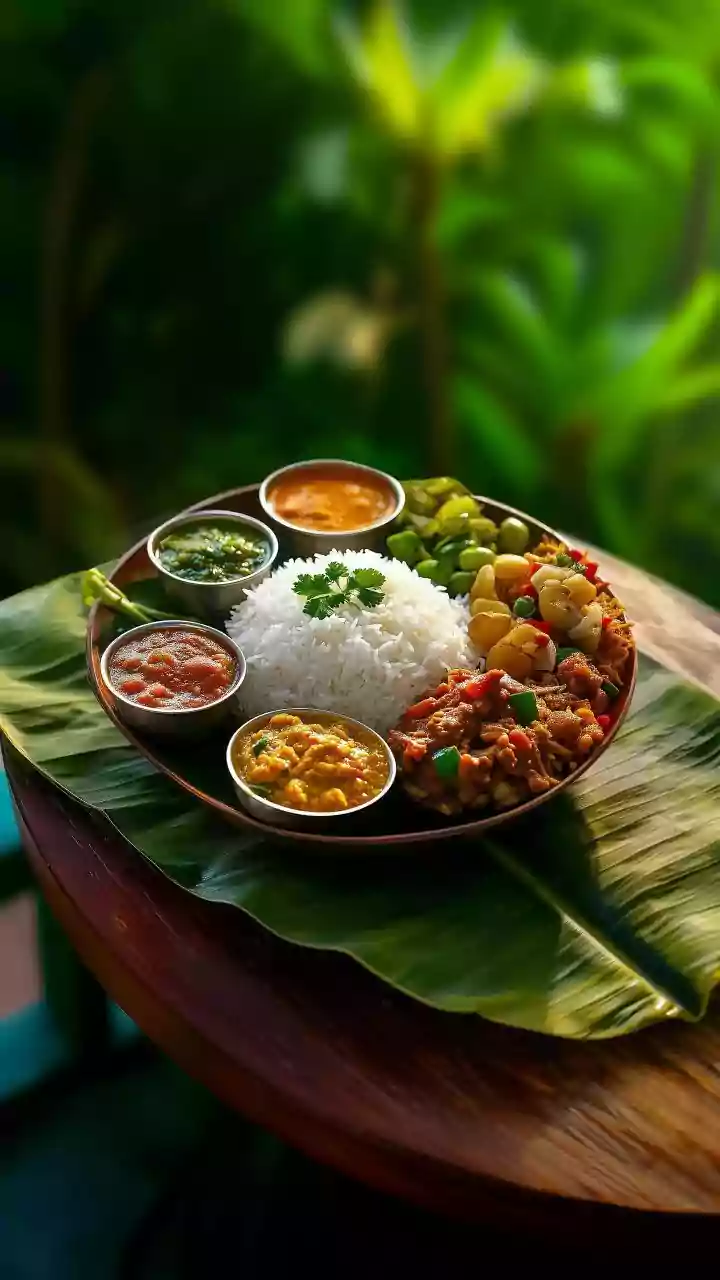
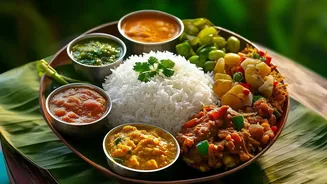
issue isn't vegetarianism itself, but the composition of the modern Indian vegetarian diet. Traditional meals once rich in diverse, high-fibre whole grains have increasingly been replaced by diets heavy in refined carbohydrates. A typical meal might feature a large portion of white rice or refined-flour rotis with only a small amount of dal and vegetables, leading to a high carbohydrate load with insufficient protein and fibre to balance it. This pattern can cause sharp spikes in blood sugar after eating, which, over time, can lead to insulin resistance and increase the risk of developing type 2 diabetes.
High-Quality vs. Low-Quality Meals
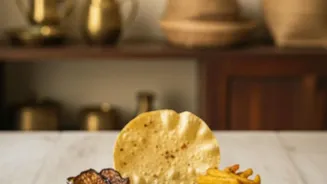
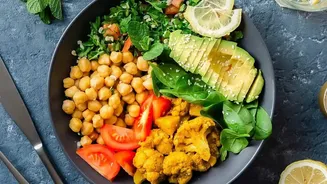
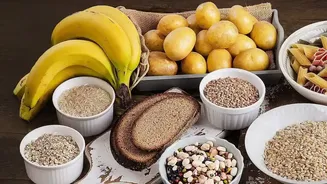
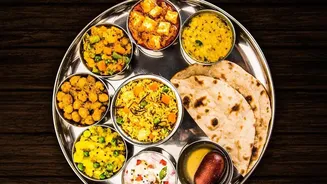
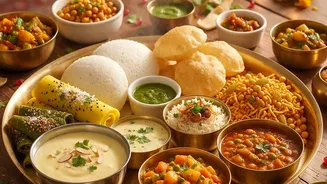
The distinction between a healthy and an unhealthy vegetarian diet comes down to food quality and preparation. A low-quality vegetarian meal is characterised by high-glycemic-index foods that cause rapid blood sugar spikes. This includes polished white rice, breads and rotis made from maida (refined flour), and sugary beverages. Deep-fried snacks like samosas and pakoras, and processed foods like bhujia and biscuits, also fall into this category, as they are loaded with unhealthy fats, salt, and refined carbs. Conversely, a high-quality vegetarian meal is built on a foundation of low-glycemic-index foods. This includes whole grains like barley, ragi, and jowar, legumes, and a wide variety of fresh vegetables. These foods are rich in fibre, which slows down digestion and helps regulate blood sugar. A balanced 'thali' should have a larger portion of vegetables and protein (like dal, paneer, or soy) and a smaller, controlled portion of whole grains.
Simple Swaps for a Healthier Thali
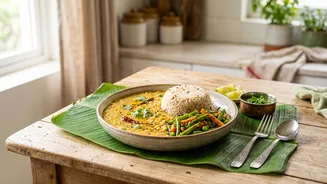
Improving the quality of your vegetarian meals doesn't require a complete dietary overhaul. Small, consistent changes can make a significant difference. Start by auditing your grains. Replace polished white rice with alternatives like brown rice, red rice, or millets such as bajra and jowar. These are not only lower on the glycemic index but also packed with more nutrients. When making rotis, opt for whole-wheat atta or, even better, mix in flours like barley or sattu to increase fibre and protein. Rethink your cooking methods. Instead of deep-frying, try baking, grilling, or air-frying snacks. Finally, pay attention to your eating order. Studies suggest that eating vegetables and protein about ten minutes before your carbohydrates can reduce the subsequent glucose spike significantly. So, start your meal with a salad, raita, or a portion of your dal or sabzi before moving on to the rice or roti.
The Bigger Picture for India
This focus on meal quality is critical in the Indian context. Studies show that Indians derive a very high percentage of their daily calories from carbohydrates—up to 62%—with much of it coming from refined sources. At the same time, protein intake is often inadequate. This dietary imbalance, coupled with a genetic predisposition in South Asians towards higher abdominal fat and lower muscle mass, creates a heightened susceptibility to type 2 diabetes, even at lower body weights. The convenience of modern packaged and processed foods, which are often vegetarian but unhealthy, further complicates the picture. Understanding that the 'vegetarian' label alone does not guarantee a healthy meal is the first step toward making more informed choices that can help manage and prevent lifestyle diseases in the long run. The goal is to return to the roots of the traditional Indian diet, which celebrated whole foods in their natural, unprocessed form.