



A Major Step Towards Global Recognition
In late 2026, the 'Sirpur Cultural and Archaeological Landscape' was officially added to UNESCO's Tentative List, a crucial first move towards earning the coveted World Heritage Site designation. This list is an inventory of properties a country believes
have 'Outstanding Universal Value' and intends to nominate in the future. While not a guarantee, inclusion is a mandatory prerequisite that brings international attention and acknowledges the site's profound significance. For Sirpur, a town nestled on the banks of the Mahanadi River, this is a monumental recognition of its long and storied past. The Chhattisgarh state government has already earmarked significant funds for developing visitor facilities, signaling a commitment to preserving and showcasing this rediscovered jewel.
The Capital of Dakshina Kosala
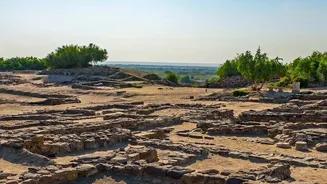
For centuries, Sirpur, then known as 'Shripur' or 'City of Wealth', was a thriving metropolis. It served as the capital of the Panduvamshi kings of Dakshina Kosala (South Kosala) from roughly the 5th to the 12th century CE. The famous Chinese traveller Xuanzang, who visited in 639 CE, described a prosperous kingdom with a Kshatriya ruler, tall and dark inhabitants, and a landscape dotted with over 100 Buddhist monasteries and 150 Hindu temples. Extensive excavations, especially since the year 2000, have revealed the truth in his accounts, unearthing a sophisticated urban centre with advanced town planning, markets, and grand monuments that had been lost to time and nature for nearly 800 years.
A Tapestry of Faiths and Marvels in Brick
What makes Sirpur truly exceptional is the peaceful coexistence of Hindu, Buddhist, and Jain traditions. Excavations have uncovered 22 Shiva temples, 5 Vishnu temples, 12 Buddhist Viharas (monasteries), and 3 Jain Viharas. The most famous monument is the 7th-century Lakshmana Temple, one of India's best-preserved and earliest brick temples. Its intricate carvings depicting Hindu mythology remain astonishingly precise. Not far away, the ruins of Buddhist monasteries like the Anandaprabhu Kuti Vihara and Teevardeo Mahavihara reveal monks' cells, stunning Buddha statues, and carved entrances depicting Panchatantra tales. This blend of faiths created a unique artistic environment, with bronze sculptures from Sirpur considered among the finest of their era.
Exploring the Ruins Today
A visit to Sirpur is a journey back in time. Beyond the famous Lakshmana Temple, you can wander through the remains of the Surang Tila, a large white stone temple complex that locals used as a mound with tunnels ('surang') before its excavation. The site also includes the ruins of a royal palace, a 6th-century marketplace, and a ritual bathing house (snana-kund), painting a vivid picture of ancient urban life. An archaeological museum near the Lakshmana Temple houses a fascinating collection of statues and relics from all the faiths that flourished here, helping visitors piece together the city’s complex story. The sheer scale of the site, with dozens of mounds still unexcavated, hints at the many secrets Sirpur still holds.
Planning Your Trip to Sirpur
Located in the Mahasamund district, Sirpur is about 80-85 km from Raipur, the state capital, which has the nearest airport and a major railway station. From Raipur, the journey by road takes about an hour and a half to two hours. The best time to visit is during the cooler winter months, from November to March, when the weather is pleasant for exploring the sprawling ruins. For a truly immersive experience, plan your visit to coincide with the annual Sirpur National Dance and Music Festival, usually held in January or February. This vibrant event features performances by renowned artists from across India against the stunning backdrop of the ancient temples, bringing the historic site to life.