


Europe's Premier Aerial Playground
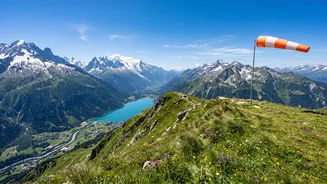
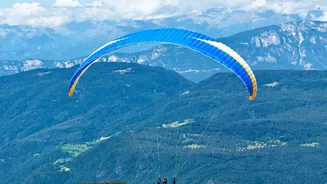
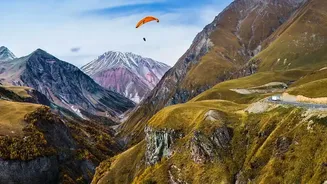
The French Alps are to paragliding what the Himalayas are to mountaineering. This region is a world-famous destination, blessed with reliable weather, stunning scenery, and a unique topography that creates ideal flying conditions. From the dramatic peaks
surrounding Chamonix to the gentle thermal winds rising above Lake Annecy, the area provides a perfect launchpad for any aerial ambition. The infrastructure is exceptional, with a vast network of schools, well-maintained launch and landing zones, and ski lifts that offer easy access to high-altitude take-offs. This makes it a welcoming environment where a beginner can have their first flight just minutes away from where a world champion might be starting an epic cross-country journey.
Your First Flight: The Tandem Experience
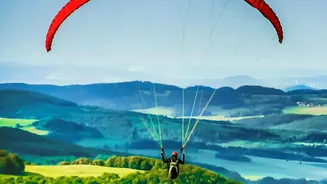
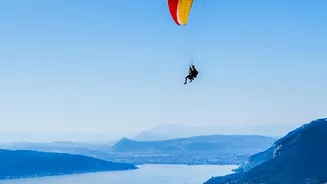
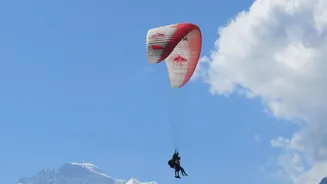
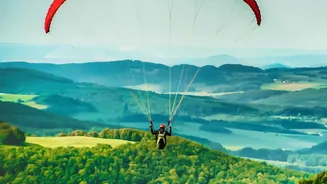
For anyone curious about paragliding, the tandem flight is the perfect introduction. No experience is necessary; you are securely strapped into a harness in front of a certified professional pilot who handles all the controls. Your only job is to take a few running steps at take-off and then sit back and enjoy the incredible views. Lake Annecy is arguably the most popular place in the world for a first flight. Taking off from the Col de la Forclaz, you glide over the pristine blue waters of the lake, with the jagged limestone peaks of La Tournette providing a breathtaking backdrop. Flights typically last between 15 and 30 minutes, offering a serene, bird's-eye perspective that is more gentle and peaceful than you might imagine.
Learning to Fly: From Ground School to Solo Flights
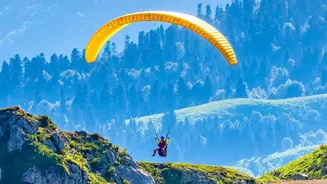
If a tandem flight sparks a deeper interest, the next step is a 'stage d'initiation' or beginner's course. These multi-day courses, typically lasting five days, are designed to take you from a complete novice to being capable of your first solo flights under instructor supervision. The initial days are spent on gentle slopes, learning how to inflate and control the wing on the ground. Once you master these fundamentals, you’ll progress to short, low-altitude flights. French schools are governed by the rigorous safety standards of the Fédération Française de Vol Libre (FFVL), ensuring high-quality instruction. The Southern Alps, with over 300 days of sunshine a year, are a particularly reliable region for learning.
For the Licensed Pilot: Cross-Country Adventures
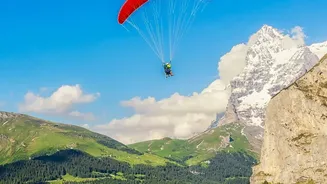
For trained and licensed pilots, the French Alps represent a vast arena for progression and adventure. The region is famous for 'cross-country' or XC flying, which involves using columns of rising air, known as thermals, to gain altitude and cover long distances. Sites like Saint-Hilaire-du-Touvet, near Grenoble, are legendary XC hubs. A classic route from here might involve flying along the Chartreuse mountain range before crossing the valley to the Belledonne massif, a journey that can cover anywhere from 60 to 150 kilometres. Chamonix offers some of the most dramatic high-mountain flying on Earth, with launch points at Planpraz (2,000m) or Plan de l'Aiguille (2,300m) putting you face-to-face with the glaciers and granite spires of the Mont Blanc massif.
Planning Your Alpine Adventure
The main flying season in the Alps runs from spring through autumn. May, June, and September often provide a sweet spot of pleasant weather and fewer crowds. The peak months of July and August deliver the strongest and most reliable thermals, ideal for long-distance flights, but can be crowded at popular sites like Annecy. For a tandem flight, expect to pay between €90 and €150, with optional photo and video packages available. It's wise to book in advance, especially during peak season. Remember that flying is entirely weather-dependent, so it's always good to have some flexibility in your schedule.