




The Science of the Soak
The feeling of relief you get from slipping into a warm bath isn't just in your head; it’s a physiological response known as hydrotherapy. When you immerse your body in warm water, your blood vessels expand in a process called vasodilation. This increases
blood flow, which delivers more oxygen and nutrients to tired muscles and helps flush out metabolic waste that contributes to soreness. The heat also helps to relax tense muscles and ease stiffness, providing comprehensive relief that a localized heat pack can't match. Furthermore, studies have shown that immersion in warm water can reduce levels of stress hormones like cortisol and may even prompt your skin to release endorphins, creating a natural sense of well-being. This combination of improved circulation, muscle relaxation, and hormonal shifts is the primary reason a simple soak feels so restorative.
So, What Is Eucalyptus Doing?
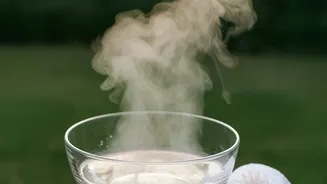
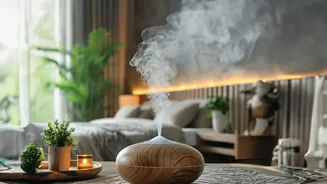
This doesn’t mean your eucalyptus oil is useless. It just has a different job. The most well-known benefit of eucalyptus is its powerful effect on the respiratory system. The main active compound, cineole (or eucalyptol), is a potent decongestant. When released into the steam of your bath, these aromatic molecules are inhaled, helping to open airways, clear nasal passages, and relieve symptoms of colds or sinus congestion. Beyond making it easier to breathe, the scent of eucalyptus plays a significant role in aromatherapy. Its fresh, camphoraceous aroma is known to be invigorating and can help reduce mental fatigue and improve focus. So while the oil isn't directly untying the knots in your back, it is creating an environment that promotes mental clarity and fights feelings of sluggishness.
The Two-Part Harmony of a Perfect Bath
The ideal bath experience isn't a case of warm water versus eucalyptus oil; it's about how they work together. The warm water provides the foundational physical benefits: it soothes sore muscles, reduces inflammation, and calms your nervous system. The eucalyptus oil, carried by the steam, provides the atmospheric and respiratory benefits. It clears your head, eases congestion, and delivers an aromatherapy experience that can be both stimulating and calming. Think of it like this: the warm water is the deep tissue massage for your body, while the eucalyptus is the refreshing cold towel for your mind. One handles the heavy physical work of muscle recovery, and the other enhances the sensory experience, making the entire ritual feel more holistic and spa-like. This synergy explains why the combination is so popular and feels so effective.
How to Maximise Your Soak
To get the most out of your bath, tailor it to your specific needs. If your primary complaint is muscle soreness from a workout, the temperature of the water is your most important tool. Aim for a comfortably warm temperature, generally between 33 and 38 degrees Celsius, and soak for about 20 minutes to achieve maximum muscle-relaxing benefits. For these soaks, additives like Epsom salts (magnesium sulphate) can also be beneficial for soothing aches. If you're feeling stuffy from a cold or mentally drained, that's when eucalyptus oil truly shines. Add a few drops of the essential oil to the running water to ensure it disperses well and releases its aromatic compounds into the steam. Remember to always use essential oils with care, as they are potent and can irritate the skin if used undiluted. By understanding the distinct roles of heat and aroma, you can customise your bath to be the perfect remedy for whatever ails you.