






First, The Dates: Know Your Calendar
Before any planning, mark your calendar. In 2026, Dussehra (also known as Vijayadashami) falls on Tuesday, October 20th for most of India. This culminates the nine-day Navratri festival, which begins around October 11th. However, dates can vary regionally.
For example, Kolkata's Vijayadashami, marking the end of Durga Puja, might be observed on October 21st. Similarly, the famous Mysore Dasara will celebrate its main procession, the Jumboo Savari, on October 21st. Knowing these specific dates is crucial as the peak travel rush will occur in the days leading up to and including these celebrations.
The Golden Rule: Book Everything in Advance
Spontaneity has little place in Dussehra travel planning. Flights and trains to popular destinations sell out months ahead. For trains, booking opens 120 days in advance; be ready to book the day they become available. For flights, the sweet spot is often 2-3 months prior to your travel dates. Use fare comparison tools and set price alerts to catch any dips, but don't wait too long. The same logic applies to accommodation. Hotels in hotspots like Mysore, Kullu, and Kolkata see prices surge and availability plummet. Book a room with a flexible cancellation policy as soon as your plans are firm.
Destination Deep Dive: The Classics vs. The Unconventional
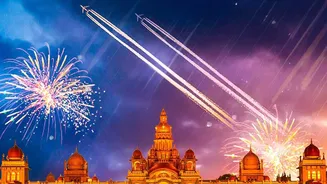
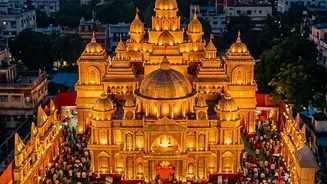
Where you go determines the kind of experience you'll have. The classics are popular for a reason, offering grand, unforgettable spectacles. Mysore's Dasara is a royal affair, famous for its illuminated palace and majestic elephant procession. Kullu's week-long festival is unique, starting on Vijayadashami and featuring a vibrant folk festival and a grand procession of local deities. Kolkata's Durga Puja is an art-filled extravaganza with elaborate 'pandals' (temporary structures) and emotional immersion ceremonies. Delhi draws huge crowds for its large-scale Ramlila plays and the dramatic burning of massive Ravana effigies. For a different flavour, consider less-trodden paths. Bastar in Chhattisgarh hosts a unique 75-day Dussehra festival focused on nature and local deities, which is distinct from the Ramayana story. Kota in Rajasthan is known for its massive fair and towering effigies, while Madikeri in Coorg has a carnival-like procession with elaborate floats.
Smart Travel Tactics and Booking Hacks
Booking early is one thing; booking smart is another. Be flexible with your travel dates if you can; flying a day or two before or after the absolute peak can lead to significant savings. Mid-week and early morning flights are often cheaper. If you're travelling by train and tickets are sold out, look into the 'Tatkal' scheme for last-minute booking, though it is highly competitive. Another strategy is to book a ticket from an earlier station to secure a berth. When it comes to accommodation, consider staying slightly outside the main event zone. Hotels a few kilometres away can be 30-40% cheaper and offer a peaceful retreat from the crowds. Homestays and boutique guesthouses are also excellent alternatives to large hotels.
On the Ground: Navigating the Festivities
Once you've arrived, a little preparation goes a long way. To witness processions or the burning of effigies, arrive early to find a good vantage point. Carry essentials like water, snacks, and a portable power bank. In crowded areas, keep your valuables secure and have digital copies of your tickets and ID. It's wise to establish a clear meeting point with your travel companions in case you get separated. Embrace the local culture by trying festive delicacies and, if you're comfortable, wearing traditional attire. Most importantly, be patient and soak in the atmosphere. Dussehra is a vibrant, chaotic, and deeply spiritual experience; approaching it with a flexible and open mindset is the key to enjoying it.