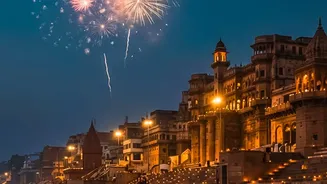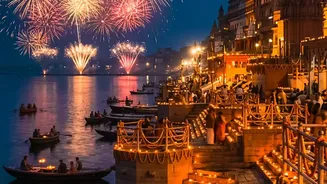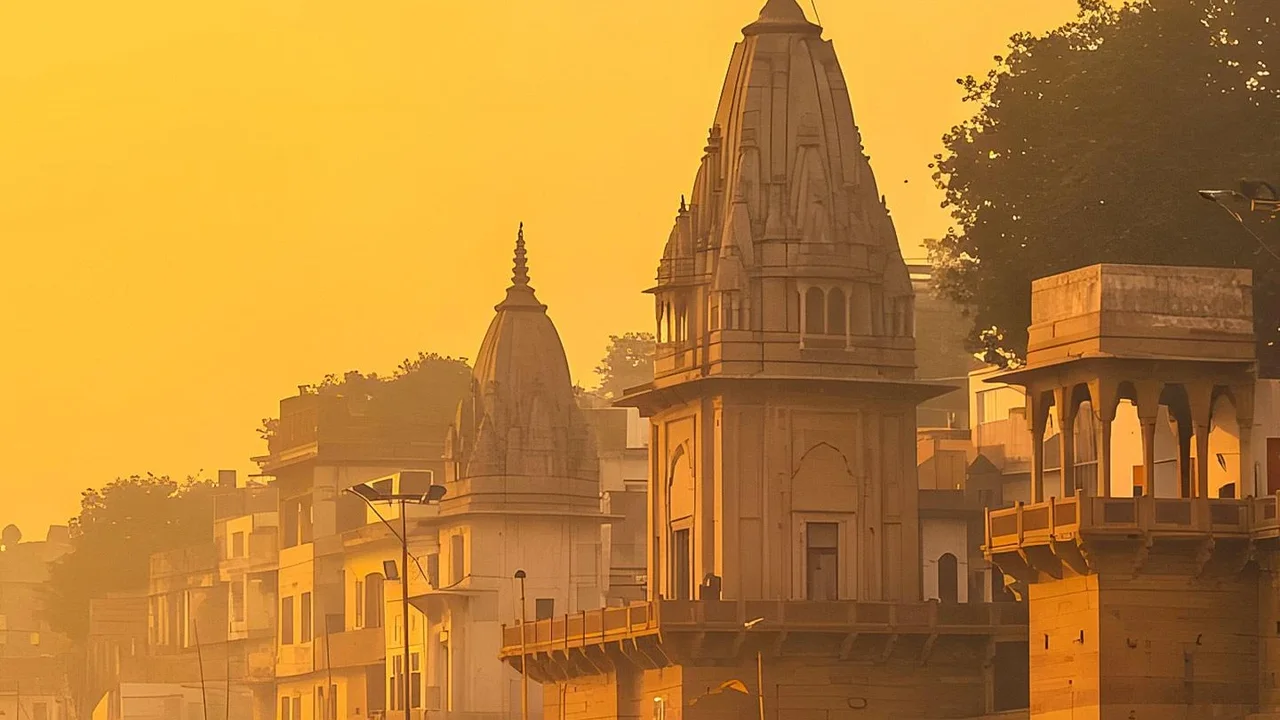






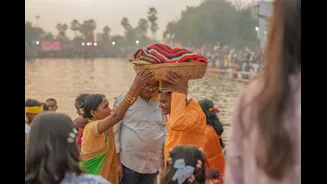

Understanding the Ghat's Importance
Chhath Puja, one of India's most ancient and rigorous festivals, is deeply connected to natural water bodies. The rituals of Sandhya Arghya (evening offerings on November 15) and Usha Arghya (morning offerings on November 16) require devotees, known as
'vratis', to stand in water and make offerings to the sun. The ghat, or riverbank, is not just a location but a sacred space. Communities spend days cleaning and preparing these sites, transforming them with decorations, lighting, and pathways. This collective effort turns an ordinary riverbank into a site of immense spiritual energy, where families come together to sing traditional songs and support the vratis through their demanding fast. With celebrations prominent in Bihar, Jharkhand, and eastern Uttar Pradesh, and now spreading to major cities with migrant communities, finding a well-managed ghat is key to a safe and peaceful observance.
Patna: The Epicentre of Devotion
Patna, the capital of Bihar, remains the heartland of Chhath celebrations, with the administration preparing over 90 ghats along the Ganga. Gandhi Ghat, near the NIT campus, is one of the most popular, known for its scenic views and existing infrastructure, including a promenade that hosts a regular Ganga Aarti. Another key location is Digha Ghat, a vast stretch near the JP Setu bridge that accommodates enormous crowds from Patna's western suburbs. The city's entire riverfront essentially becomes a single site of worship. However, devotees should always check the district administration's official list of safe and unsafe ghats, as river conditions can change annually, leading to closures for safety reasons. During the main offering days, vehicle movement near the ghats is heavily restricted, so planning to arrive on foot is essential.
Delhi: A City of a Thousand Ghats
In Delhi, the large diaspora from Bihar and eastern UP celebrates Chhath at over 1,400 locations, from the Yamuna riverbank to specially prepared artificial ponds in parks. A major new addition for 2026 is the 11-kilometre-long ghat developed along the Munak Canal, stretching from the Outer Ring Road to Inderlok. This site has been extensively cleaned and developed with permanent steps and access roads to serve a large number of devotees. Traditional locations like the ITO Yamuna Ghat and Kalindi Kunj remain central to the festivities, often attracting hundreds of thousands of people. The Delhi government facilitates these celebrations with extensive arrangements for lighting, sanitation, and safety. Given the scale, checking local advisories for traffic diversions and designated entry points is crucial.
Mumbai: Where Devotion Meets the Sea
For Mumbai's large population of devotees, the Arabian Sea coastline transforms into a series of vibrant Chhath ghats. Juhu Beach is the most famous location, where for decades, thousands have gathered to offer prayers to the setting and rising sun against the backdrop of the sea. The Chhath Utsav Mahasangh organizes a large-scale event here, with specific zones for rituals. For 2026, the evening program is scheduled for November 15, with morning prayers on November 16. Other popular spots include Dadar Chowpatty, Girgaon Chowpatty, and Powai Lake. Due to the immense crowds, especially at Juhu, Mumbai Traffic Police implements significant restrictions on traffic and parking from the afternoon of November 15 until the morning of November 16. Attendees are advised to use public transport and check for the latest updates from organizers before heading out.
Beyond the Metros: Other Notable Ghats
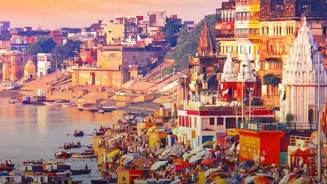
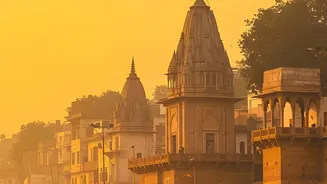
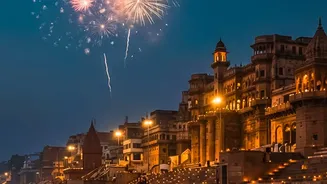
While Patna, Delhi, and Mumbai host some of the largest urban celebrations, Chhath Puja's spirit thrives across many other Indian cities. In Kolkata, Ganga ghats become focal points for the local Bihari community. In Gaya, Bihar, Sun Ghat on the Phalgu River is considered an ancient and sacred site for the rituals. Varanasi's famous ghats, like Adalat Ghat and Assi Ghat, also host Chhath celebrations, blending the festival's unique rituals with the city's profound spiritual atmosphere. As the festival's observance grows, even cities like Bengaluru are creating dedicated spaces. The Art of Living International Centre, for instance, has announced a 'Chhath Mahaparv' with a special water body for devotees to perform Arghya, showing how traditions are adapting to new urban landscapes.