


The Core Philosophy: Mindful Flow vs. Rhythmic Momentum
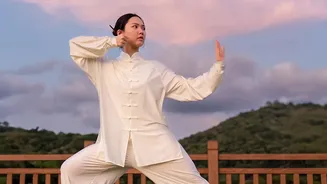
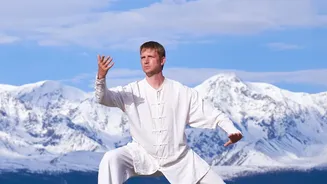
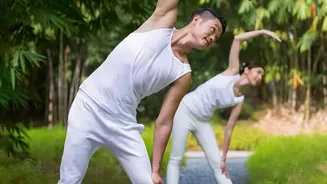
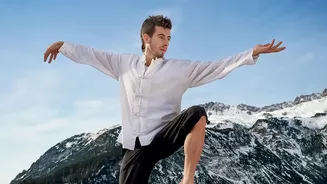
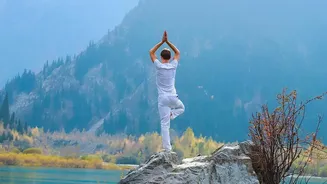
At its heart, Tai Chi is a traditional Chinese practice often called 'meditation in motion'. It combines a series of slow, flowing postures with deep, controlled breathing to calm the mind and exercise the body. The focus is on precision, balance, and the smooth
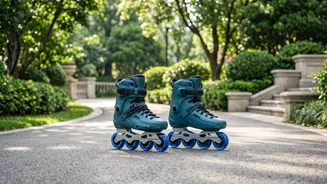
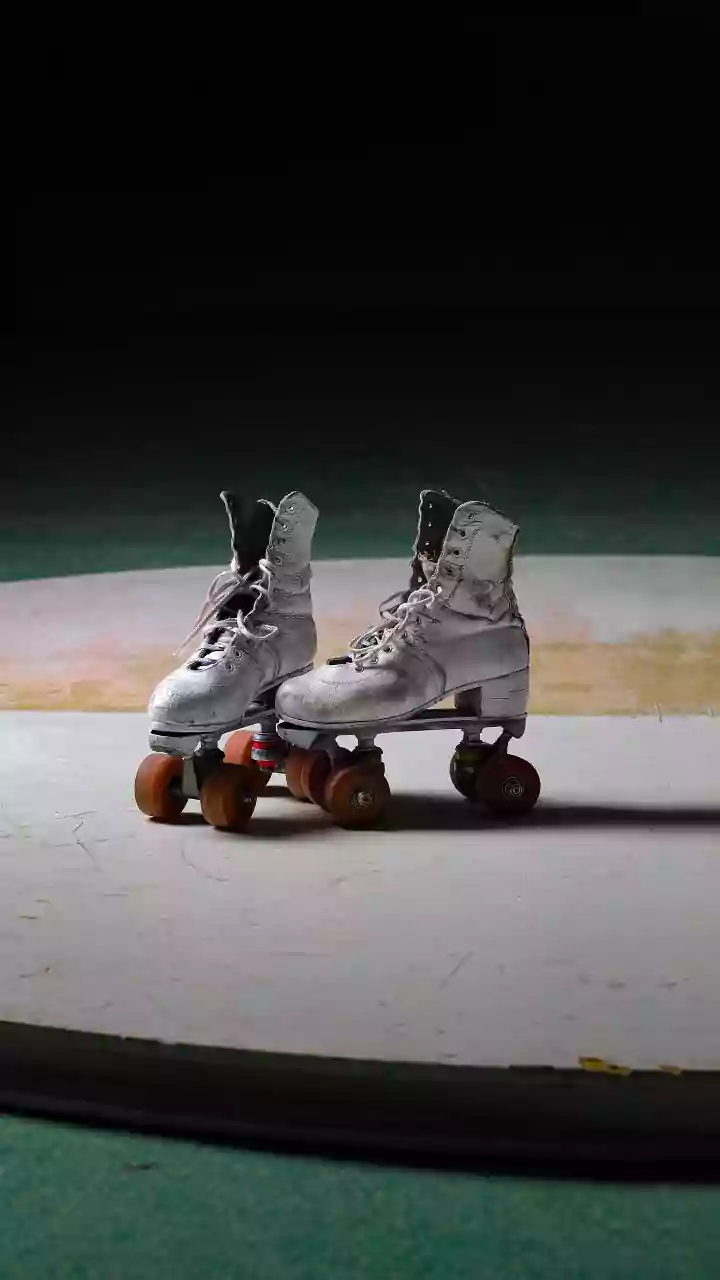
transfer of energy, making it a deeply mindful activity. Skating, whether on quad or inline skates, is all about generating momentum. It’s a rhythmic, dynamic activity that engages the whole body to maintain balance while in motion. While it also requires focus to avoid a tumble, the primary goal is physical propulsion and cardiovascular effort, often with a fun, recreational feel.
Impact on Joints: A Clear Difference
Both activities are considered low-impact, making them excellent alternatives to high-impact exercises like running. Skating involves a smooth gliding motion that puts significantly less stress on the joints, with some studies suggesting it causes less than 50% of the impact shock of running. This makes it a great choice for those who want a cardio workout without punishing their knees and hips. Tai Chi is arguably even gentler. Its movements are deliberately slow, circular, and controlled, ensuring joints are never fully extended or bent under pressure. This makes it exceptionally safe and beneficial for people with joint pain, such as arthritis, as it can improve flexibility and strength without causing strain.
The Cardio Question: Burning Calories
This is where the two diverge significantly. Skating is a fantastic cardiovascular workout. A person of average weight can burn anywhere from 250 to over 500 calories in an hour, depending on the intensity and speed. The American Heart Association even recognizes it as an effective aerobic exercise. Tai Chi, by contrast, is a much lower-intensity activity. An hour of practice might burn between 200 and 300 calories. While it can provide some aerobic benefits, its main purpose isn't to elevate the heart rate for extended periods. If your primary goal is burning calories and boosting cardiovascular endurance, skating has the clear advantage.
Strength and Balance: Different Paths to Stability
Both exercises are champions of balance and core strength, but they build it in different ways. Skating constantly challenges your stability as you glide on wheels, forcing your core muscles—including your abs and lower back—to engage to keep you upright. It’s also a powerhouse for the lower body, strengthening the glutes, quads, and hamstrings. Tai Chi builds balance and strength through slow, deliberate weight shifts and sustained postures. This method has been proven remarkably effective, with studies showing that regular practice can significantly reduce the risk of falls, especially in older adults. It enhances proprioception—your sense of your body's position in space—leading to superior stability and control.
The Mental Game: Stress Relief and Focus
While any physical activity can boost your mood, Tai Chi is specifically designed as a mind-body practice. Its combination of movement, meditation, and deep breathing is known to reduce stress, anxiety, and symptoms of depression. The intense focus required for the forms helps quiet mental chatter and promotes a state of calm mindfulness. Skating offers mental benefits as well, often described as a form of joyful, freeing exercise. The feeling of gliding, especially outdoors, can be a powerful mood-booster and a great way to clear your head. However, it lacks the structured meditative component that is central to Tai Chi.
Getting Started: Accessibility and Cost
Tai Chi is one of the most accessible forms of exercise. You don’t need any special equipment, and it can be practiced anywhere, indoors or out, alone or in a group. Many community centres and parks offer classes, and countless free videos are available online. Skating requires an initial investment in a pair of skates and protective gear, including a helmet, wrist guards, and pads. It also requires a suitable surface, like a smooth pavement or a skating rink, which may not be readily available to everyone. There is also a steeper learning curve to feel stable and confident on wheels.