



From 'Last' to 'First': A New Identity
For decades, a sign at the village entrance proudly declared Mana the 'Last Indian Village'. This simple phrase captured the imagination of travellers, evoking a sense of remoteness and finality at the edge of the country. However, following a visit by
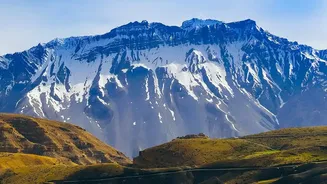
Prime Minister Narendra Modi, this perspective has been officially shifted. A new signboard by the Border Roads Organisation now greets visitors with the title 'First Indian Village'. This rebranding is more than just semantics; it's a powerful symbolic shift. It reframes Mana not as an endpoint, but as a gateway to India, instilling a renewed sense of pride and importance among its residents and attracting fresh attention from tourists.
The Double-Edged Sword of Connectivity
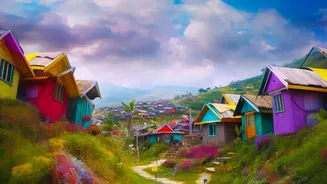
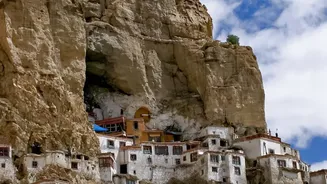
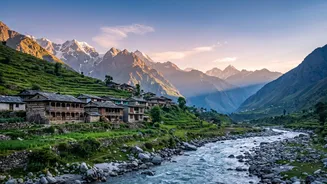
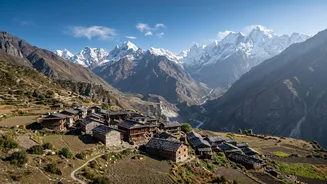
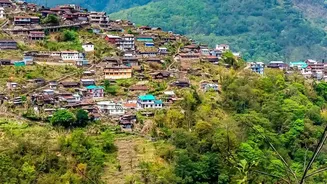
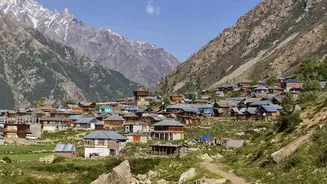
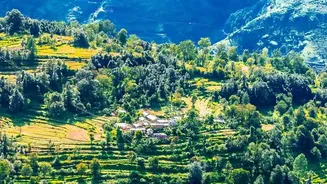
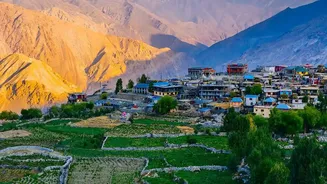
The new identity coincides with significant infrastructure development. Improved all-weather roads leading to the region, part of a wider push for border connectivity, have made Mana more accessible than ever before. This has led to a noticeable influx of tourists, who flock to the village to experience its scenic landscapes and pleasant weather. While this boom provides economic opportunities, it also presents challenges. The village's quaint, narrow lanes and traditional stone houses now contend with increased footfall and traffic. Development plans, including proposals for multi-story parking and community centres, are in motion to manage the growing number of visitors, highlighting the delicate balance between accommodating tourism and preserving the village's serene character.
Beyond the Selfie Point: Mana's Cultural Soul
Mana's appeal runs deeper than its geographical title. The village is steeped in mythology and is considered a pivotal site in the Mahabharata. It is believed that the Pandavas passed through Mana on their final journey to heaven. Key landmarks like Vyas Gufa, where sage Ved Vyas is said to have composed the epic, and Bheem Pul, a natural stone bridge supposedly placed by the mighty Bhima over the roaring Saraswati River, are major draws for pilgrims and history enthusiasts. The village is home to the Bhotiya community, a tribe with a rich heritage tied to ancient trade routes with Tibet. Before the 1962 war, this trade was the village's lifeblood. Today, that legacy is channelled into a new kind of commerce.
Weaving Tradition into Tourism
The local economy is adapting to the tourism surge. The Bhotiya community, particularly the women, are known for their skill in weaving woollen garments. This craft has become a prime economic activity. Additionally, a new enterprise is taking root: creating souvenirs and art on 'bhojpatra' (birch bark), the traditional material used for ancient scriptures. Homestays are also emerging, offering visitors a more authentic experience of local culture and hospitality compared to staying in nearby Badrinath. These initiatives allow the community to generate income by sharing their unique heritage, from local cuisine like kidney beans and potatoes to handcrafted goods.
The Road Ahead for Mana
Designated a 'Tourism Village' by the Uttarakhand government, Mana stands at a crossroads. Its future depends on navigating the path between development and preservation. As tourists increasingly seek out its unique blend of spirituality, adventure, and culture, the challenge will be to ensure that growth is sustainable. The village serves as a base for popular treks to destinations like Vasundhara Falls and Satopanth Lake, further cementing its role in the region's adventure tourism circuit. For Mana, the journey from being the country's last outpost to its first gateway is not just about a name change—it is about thoughtfully building a future that honours its sacred past.