

The Underrated Root Rumble
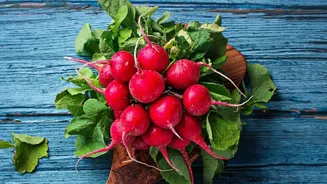
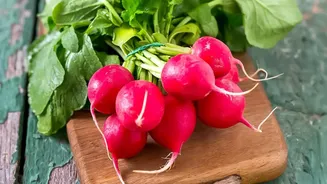
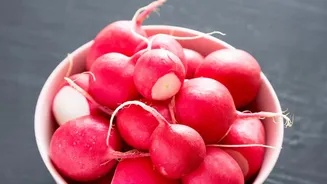
Often found in salads or as a simple side, mooli (radish) and chukandar (beetroot) are dietary mainstays in India. One is known for its sharp, peppery crunch, the other for its sweet, earthy flavour and vibrant hue. While they may seem like simple vegetables,
both pack a powerful nutritional punch. The question isn't which one is better, but rather, what unique strengths does each bring to your plate? Understanding their individual benefits reveals that they aren’t rivals for a spot in your diet; they are a dynamic duo that can elevate your health in complementary ways.
In Mooli's Corner: The Detox Dynamo
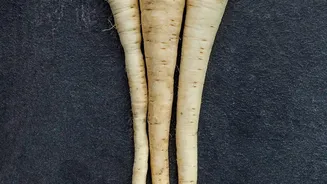
The white radish, or mooli, is a low-calorie vegetable that is excellent for digestion and detoxification. It's incredibly high in water and dietary fibre, which helps regulate bowel movements and prevent constipation. But its benefits go deeper. Radishes contain compounds that stimulate the production of bile, which is essential for digesting fats and helping the liver flush out toxins. This makes mooli a natural detoxifier. Furthermore, it is a great source of Vitamin C, a powerful antioxidant that boosts the immune system and protects cells from damage. Its peppery taste comes from compounds that have also been linked to anti-inflammatory effects.
Beetroot's Edge: The Stamina Booster
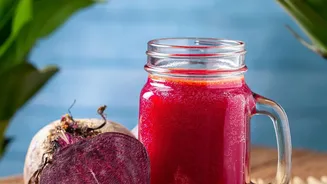
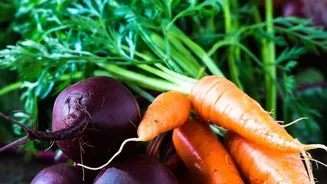
Beetroot, or chukandar, gets its brilliant colour from antioxidants called betalains, but its most famous attribute is its high concentration of dietary nitrates. In the body, these nitrates convert into nitric oxide, a molecule that helps relax and widen blood vessels. This process, known as vasodilation, improves blood flow, which can help lower blood pressure and enhance cardiovascular health. For athletes and active individuals, this increased blood flow means more oxygen is delivered to the muscles, which can boost stamina and improve performance. Studies have shown that beetroot can help people exercise for longer and recover faster. It's also a rich source of folate, potassium, and iron.
Better Together: A Nutritional Power Couple
Pitting radish against beetroot is like comparing apples and oranges; they excel in different areas. Radish is lower in calories and sugar, making it a fantastic choice for weight management, while its high Vitamin C and fibre content aid digestion and immunity. Beetroot, while slightly higher in calories and sugar, offers a richer profile of minerals like iron and potassium and is a unique source of performance-boosting nitrates. Instead of choosing one over the other, think of them as a team. Use radish for its crisp texture and detoxifying properties, and lean on beetroot for its stamina-enhancing and heart-healthy benefits. Together, they provide a broader spectrum of vitamins, minerals, and beneficial plant compounds than either could alone.
Bringing Both to Your Table
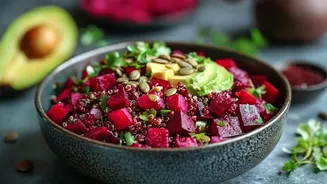
Incorporating both vegetables into your diet is simple and delicious. In India, the options are endless. Enjoy the classic crunch of sliced mooli in a salad or as a garnish for dal. Mooli parathas are a breakfast favourite for a reason. For beetroot, a simple chukandar sabzi or poriyal makes for a nutritious weeknight meal. You can also grate both raw into a vibrant salad, perhaps with carrots, lemon juice, and a sprinkle of chaat masala for an instant flavour boost. A mixed vegetable juice with both beetroot and radish can be a powerful morning start. Combining them in a single dish, like a mixed vegetable curry or a colourful slaw, ensures you get the best of both worlds in one go.