




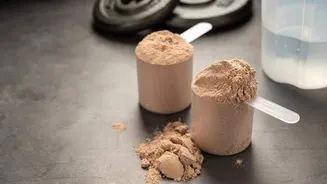


Myth: Protein Powder Will Make You Bulky
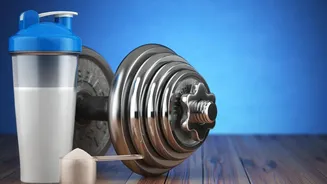
One of the most persistent myths is that using protein powder will automatically lead to large, bulky muscles. The reality is that building significant muscle mass requires a combination of specific strength training routines and a consistent calorie
surplus. Protein powder alone won't make you bulky. It is simply a convenient tool to help your muscles repair and recover after exercise. For the average person, incorporating a protein shake can support lean muscle maintenance and help them meet their daily protein needs without leading to unwanted bulk.
Fact: The Type of Protein Matters
Not all protein powders are created equal. The most common types are whey, casein, and plant-based proteins. Whey protein, derived from milk, is fast-digesting and ideal for post-workout recovery. Casein, also from milk, digests slowly, making it a good option before bed to aid overnight muscle repair. Plant-based proteins, made from sources like peas, rice, and soy, are excellent for those with dairy allergies or who follow a vegan diet. The source of the protein determines its amino acid profile and how your body uses it, so choosing the right type for your goals is important.
Myth: All Powders on the Shelf Are Safe
Because protein powders are classified as dietary supplements, they exist in a largely unregulated market. This means the manufacturer is responsible for ensuring its product is safe, not a government agency before it hits shelves. Studies have found that many protein powders contain contaminants like heavy metals (lead, arsenic, cadmium), pesticides, and BPA. One report found that some products contained levels of lead far exceeding the recommended daily limit. Plant-based proteins, surprisingly, were found to have some of the highest contamination levels due to the soil in which the plants are grown.
Fact: You Must Read the Ingredient List
Beyond the main protein source, powders often contain a list of other ingredients like artificial sweeteners, flavourings, thickeners (like xanthan gum), and emulsifiers that help with mixability. Pay close attention to 'proprietary blends'. This is a term manufacturers use to hide the exact amount of each ingredient in a mix. A product might list a fancy-sounding 'Muscle Blend', but it could be 90% cheaper filler ingredients and only a tiny amount of the effective ones. This lack of transparency is a major red flag, as you don't truly know what you're consuming.
Myth: 'Third-Party Tested' Is Just Marketing
A 'third-party tested' seal is one of the most important things to look for on a protein powder label. This certification means an independent organization, with no connection to the brand, has verified that the product contains what the label says it does. It also confirms the product is free from unsafe levels of contaminants and substances banned in sports. Given the lack of pre-market regulation, this independent verification is a crucial layer of quality control and safety assurance for consumers.
Fact: NSF and Informed-Sport Are Key Certifications
Two of the most reputable third-party certifications are NSF Certified for Sport and Informed-Sport. Both programs test products for banned substances to ensure they are safe for athletes. The NSF certification also verifies that the ingredients listed on the label are accurate and that there are no unsafe levels of contaminants. Informed-Sport focuses heavily on testing every single batch of a product before it is released to the market. Seeing one of these logos on a package is a strong signal that the company has invested in quality and transparency, giving you confidence in what you're buying.