



The Vibe: Dance Party vs. Freewheeling Fun
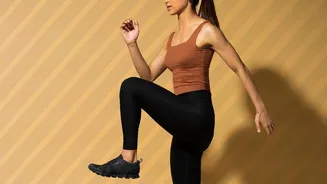
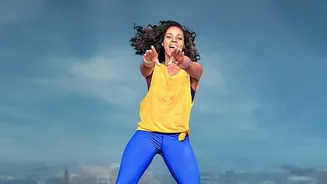
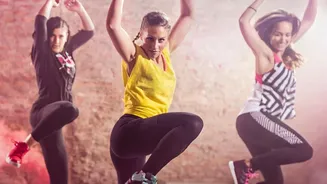
The core difference between Zumba and roller skating lies in their atmosphere. Zumba is a structured group fitness class that feels more like a dance party. Led by an instructor, you'll move to high-energy Latin and international music in a supportive,
social environment where camaraderie is a key component. It's an inclusive space designed for all fitness levels, focused on collective energy and shared experience. Roller skating, on the other hand, offers a sense of freedom and individuality. Whether you're gliding through a park or weaving around a roller rink, the experience is largely self-directed. While skating can be incredibly social—with skate groups and rink communities fostering connection—it also provides the quiet, meditative focus of a solo activity. It's about finding your own rhythm and flow.
Fitness Factor: Calorie Burn and Muscles Worked
Both activities are excellent forms of aerobic exercise that benefit cardiovascular health. An hour of moderate-to-high-intensity Zumba can burn anywhere from 300 to 900 calories, making it a powerful tool for weight management. Its dance-based routines provide a full-body workout, engaging your legs, core, and arms. Roller skating is also a calorie-torcher. An hour of moderate skating can burn around 300 to 600 calories, depending on your pace and effort. It’s a fantastic low-impact workout, meaning it's easier on the joints than running. Skating primarily strengthens the lower body, including the glutes, quads, and hamstrings, while also heavily engaging your core muscles to maintain balance.
Getting Started: Accessibility and Cost
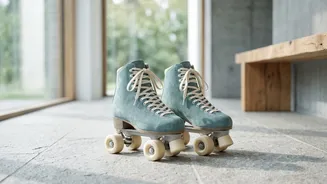
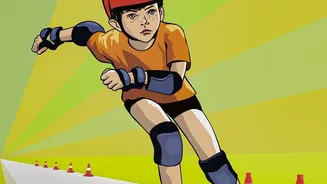
Zumba has a low barrier to entry. Classes are widely available in gyms and community centres, with drop-in rates often ranging from around ₹400 to ₹1,500, and no special equipment is needed beyond comfortable workout clothes. You can even find classes online to do at home. Roller skating requires an initial investment in equipment. A decent pair of beginner skates can cost between ₹4,000 and ₹15,000, and it's highly recommended to also purchase protective gear, including a helmet, wrist guards, and knee pads. The other key factor is finding a safe, smooth surface to practice, like a park, a dedicated skating rink, or a quiet street, which may be more challenging in some areas.
The Learning Curve: Follow the Leader vs. Finding Your Feet
For many, Zumba is easier to pick up initially. The workout is based on following an instructor's lead, and the repetitive steps are designed to be easy to learn. There's no pressure to be a perfect dancer; the goal is to keep moving and have fun. It also helps improve coordination over time. Roller skating involves a steeper learning curve, as it requires developing balance and coordination from scratch. Learning to glide, turn, and, most importantly, stop safely takes practice and patience. While some might find it challenging at first, mastering the skill of skating offers a deep sense of accomplishment.
The Risk Factor: Potential for Injury
Every physical activity carries some risk of injury. In Zumba, injuries often stem from the high-impact, repetitive twisting and side-to-side movements. The most common issues are strains and sprains affecting the knees, ankles, and lower back. These risks can be minimised by wearing supportive shoes (not running shoes, which can stick to the floor), warming up properly, and listening to your body. The primary risk in roller skating is falling. This can lead to scrapes, bruises, and more serious injuries like wrist fractures, ankle sprains, and even concussions. Wearing proper protective gear, especially a helmet and wrist guards, is essential to mitigate these risks.