



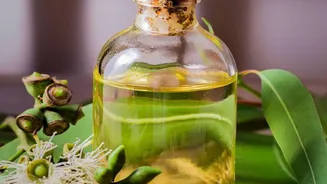

The Potent Power of Eucalyptus Oil
Derived from the leaves of the eucalyptus tree, this essential oil is a staple in aromatherapy and home remedies. It's widely used for its potential to clear congestion, soothe sore muscles, and act as a natural antiseptic. The oil's primary active compound,
1,8-cineole (also known as eucalyptol), is responsible for its distinctive aroma and many of its purported health benefits. However, this potency is also why it must be used with care. What makes eucalyptus oil effective is also what can make it a potential irritant for some individuals, especially those with sensitive skin.
Why Your Skin Might React
Just because an ingredient is natural doesn't mean it's universally safe for everyone. Essential oils are highly concentrated plant extracts. When applied to the skin, they can sometimes trigger two types of reactions: irritant contact dermatitis or allergic contact dermatitis. Irritant contact dermatitis is a direct irritation of the skin caused by a substance that is too potent. Allergic contact dermatitis is a true allergic reaction that occurs after your immune system becomes sensitized to a substance, with symptoms appearing 12 to 72 hours after a subsequent exposure. Redness, itching, burning, and even small blisters are all signs that the oil is not compatible with your skin.
How to Perform a Patch Test
A patch test is a simple and effective way to see how your skin will react to eucalyptus oil before applying it more widely. Following these steps can save you from a widespread and uncomfortable skin reaction. First, always dilute the essential oil. Never apply pure eucalyptus oil directly to your skin. Mix one to two drops of eucalyptus oil with a teaspoon of a carrier oil, such as coconut, jojoba, or almond oil. Next, apply a small, dime-sized amount of the diluted mixture to a discreet patch of skin, like your inner forearm or the crook of your elbow. Cover the area with a bandage and keep it dry. It's important to wait for at least 24 to 48 hours to check for a reaction.
Understanding the Results
After the 24 to 48-hour waiting period, remove the bandage and carefully examine your skin. If you see any signs of redness, inflammation, itching, burning, or a rash, it's a clear signal that you should not use the oil topically. This reaction indicates a sensitivity or allergy. If the skin looks completely normal with no signs of irritation, the diluted oil is likely safe for you to use. However, keep in mind that a successful patch test does not guarantee you won't develop a sensitivity later on, so it's always wise to use essential oils sparingly.
What to Do If a Reaction Occurs
If the patch test—or any application—results in redness or irritation, the first step is to wash the area thoroughly with gentle soap and cool water. If the irritation is intense, some sources suggest applying more carrier oil to the area to help dilute the essential oil before washing. A cold, wet compress can help soothe the skin, and a mild hydrocortisone cream may relieve itching. Do not use the essential oil again. If the reaction is severe, involving symptoms like wheezing, swelling of the throat, or difficulty breathing, seek emergency medical attention immediately, as this could be a sign of a rare but serious allergic reaction called anaphylaxis.
Safer Ways to Enjoy Eucalyptus
If your skin proves too sensitive for topical application, you don't have to miss out on the benefits of eucalyptus oil entirely. One of the safest and most common methods is to use it in an aromatherapy diffuser. Adding a few drops to a diffuser can fill a room with its clarifying aroma, helping to purify the air and ease congestion without direct skin contact. This method allows you to enjoy the respiratory benefits and uplifting scent while keeping your skin safe from potential irritation.