


The Effortless Elegance of the Snake Plant
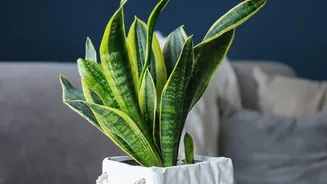
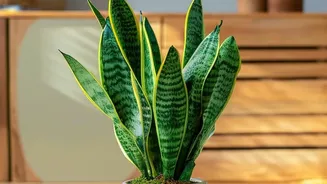
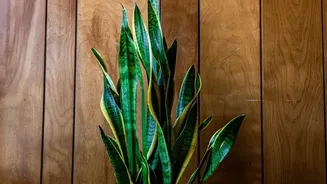
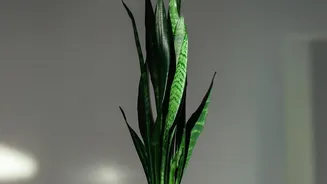
The snake plant, or Sansevieria trifasciata, is the very definition of a low-maintenance companion. Its resilience is legendary among houseplant enthusiasts. For busy homeowners or beginners, this is its primary appeal. Snake plants are incredibly drought-tolerant,
meaning you can forget to water them for a few weeks without any dramatic consequences. Unlike many plants that wilt at the slightest hint of neglect, the snake plant holds its structure. Overwatering is a greater risk than underwatering. It's also highly adaptable to different light conditions. While it appreciates bright, indirect light, it can tolerate lower-light corners of a room, a common scenario in many bedrooms. This flexibility means you don't need to rearrange your entire room just to keep your plant alive. Its upright, architectural leaves add a touch of modern elegance to any space without creating a mess, making it a true 'set it and forget it' decor element.
A Breath of Fresh Air, Even at Night
What truly sets the snake plant apart for bedroom use is its unique biological rhythm. Most plants perform photosynthesis during the day, releasing oxygen, but switch to releasing a small amount of carbon dioxide at night. The snake plant, however, utilises a special process called Crassulacean Acid Metabolism (CAM) photosynthesis. This adaptation, common in arid-environment plants, means it opens its pores to absorb carbon dioxide primarily at night to conserve water. A key benefit of this process is the release of oxygen during the night, precisely when you're sleeping in the room. This makes it an ideal bedside companion, helping to refresh the air while you rest. Furthermore, studies by NASA have highlighted the snake plant's ability to filter common indoor air pollutants like formaldehyde and benzene, contributing to a healthier indoor environment.
The Allure and Agony of Flowering Plants
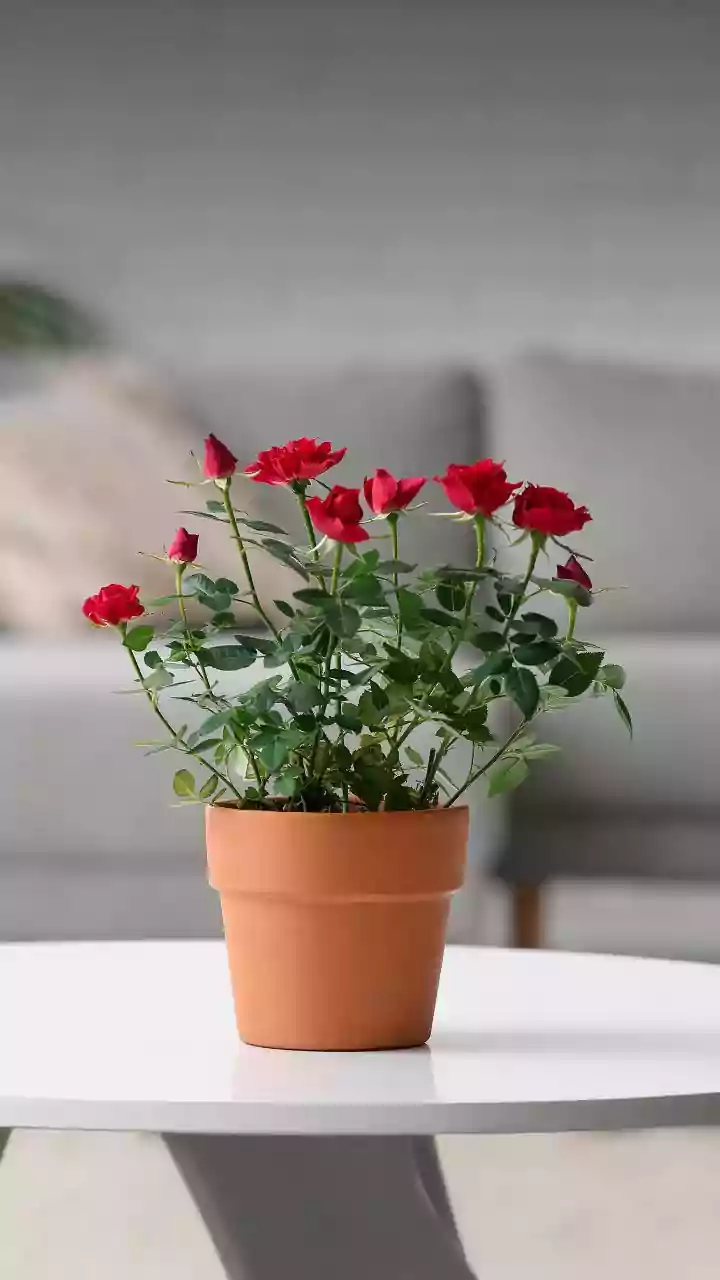
No one can deny the charm of a flowering plant. A peace lily's elegant white spathe or the fragrance of jasmine can transform a room. However, this beauty often comes at a cost. Many popular flowering plants require more attention to thrive indoors. Peace lilies, for example, are known to droop dramatically when they need water and prefer consistently moist soil, making them less forgiving than snake plants. Many flowering species also need brighter, indirect light to produce blooms, a condition not always available in a cozy bedroom. Beyond care, there are practical issues. Flowers mean pollen, which can be an issue for allergy sufferers. Strong fragrances from plants like jasmine can become overwhelming in an enclosed bedroom, potentially causing headaches or disrupting sleep. Then there's the inevitable mess of fallen petals and the fact that the blooms are temporary, leaving you with a plain green plant for much of the year.
A Head-to-Head Bedroom Comparison
When placed side-by-side, the snake plant's advantages for a low-maintenance bedroom become clear. In terms of watering, the snake plant is the undisputed winner, needing water only every few weeks, while a flowering plant like a peace lily often requires weekly attention. For lighting, the snake plant's tolerance for low light gives it greater versatility in placement compared to most flowering varieties that need specific light to bloom. From an air quality perspective, the snake plant's ability to release oxygen at night gives it a distinct edge as a sleep companion. Finally, in terms of cleanliness and maintenance, the snake plant's sturdy, upright leaves don't shed or create the mess of pollen and dropped petals associated with flowering species. While a peace lily might need its large leaves wiped of dust, the overall upkeep for a snake plant is significantly less.
Styling Your Sanctuary with Snake Plants
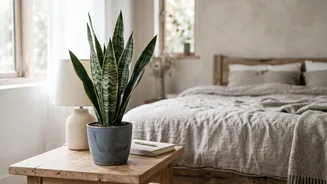
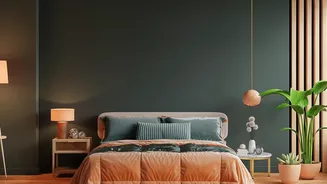
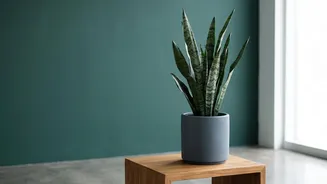
The snake plant is not just practical; it's a versatile design element. Its strong vertical lines can add height and architectural interest to a room. For a minimalist look, a single tall snake plant in a simple ceramic pot makes a powerful statement. You can place it on the floor in a corner to draw the eye upward or use a smaller variety on a nightstand or dresser. They work well in various design styles, from modern and industrial to traditional. Grouping several snake plants of different heights can create a dynamic green feature. You can even grow them in water with decorative stones for a unique, soil-free centerpiece. Because they are so resilient, you have the freedom to prioritise aesthetics when choosing a spot, knowing the plant will likely adapt and thrive.