



The Mineral-Rich World of Saag
Saag is a broad term for a variety of dishes made from leafy greens, popular across India. While the slow-cooked, creamy texture is a hallmark, the true value lies in its dense nutritional profile. Leafy greens are celebrated as superfoods for a reason;
they are loaded with vitamins, fibre, and, most importantly, a wide array of minerals that are crucial for bodily functions. From the iron that carries oxygen in our blood to the calcium that builds strong bones, saag can be a delicious way to meet your daily mineral needs. However, not all saags are created equal. The specific greens used—whether spinach, mustard, fenugreek, or others—determine its unique mineral composition and health benefits.
Sarson ka Saag: A Potassium and Calcium Boost
The quintessential winter dish of Punjab, Sarson ka Saag, is primarily made from mustard greens. These greens have a distinct, slightly pungent flavour and are a treasure trove of minerals. Sarson is particularly rich in calcium, which is vital for bone and dental health. It also contains a significant amount of potassium, a mineral that helps regulate blood pressure and fluid balance in the body. Furthermore, mustard greens provide magnesium and phosphorus, which work alongside calcium to maintain bone density and support numerous biochemical reactions in the body. The traditional pairing with makki di roti (corn flatbread) and a dollop of ghee not only enhances the taste but also helps in the absorption of fat-soluble vitamins like Vitamin K, which is abundant in these greens and crucial for bone health.
Palak Saag: An Iron and Folate Staple
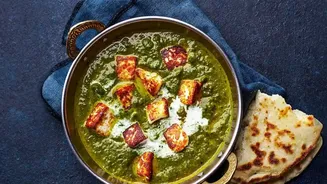
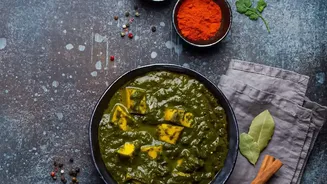
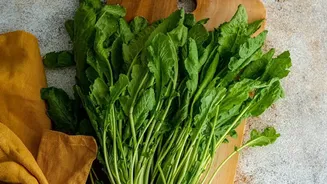
Palak, or spinach, is perhaps the most common base for saag across India. It is famous for its high iron content, a mineral essential for preventing anaemia and maintaining energy levels. However, the iron in spinach is 'non-heme' iron, which the body absorbs less easily than iron from meat sources. To enhance absorption, it is beneficial to consume it with Vitamin C; luckily, many saag recipes traditionally include tomatoes or a squeeze of lemon juice, which serves this exact purpose. Beyond iron, palak is an excellent source of folate, a B-vitamin crucial for cell growth and particularly important for pregnant women. It also provides a good dose of magnesium and potassium. It's worth noting that spinach contains oxalates, which can slightly hinder calcium absorption, but cooking reduces these compounds.
Bathua and Methi: The Unsung Mineral Heroes
Two other popular greens often used in saag are Bathua (pigweed or Chenopodium album) and Methi (fenugreek leaves). Bathua, commonly available in winter, is a nutritional gem rich in potassium, phosphorus, zinc, and calcium. It is also considered a good source of iron, making it another excellent choice for boosting haemoglobin levels. Methi leaves are known for their slightly bitter taste and impressive health benefits, including anti-inflammatory properties. They are a good source of iron and calcium, contributing to bone health and fighting fatigue. Adding a mix of these greens to your saag not only creates a more complex flavour profile but also diversifies your mineral intake, ensuring you get a broader spectrum of nutrients in one hearty meal.
Maximising Your Mineral Intake
How you prepare and eat saag can make a big difference in how many minerals your body absorbs. Since many vitamins in leafy greens (like A and K) are fat-soluble, cooking saag with a healthy fat like ghee or oil is essential for absorption. As mentioned, adding a source of Vitamin C—like tomatoes, amla, or lemon juice—can significantly boost the absorption of plant-based iron. Incorporating a variety of greens is also a great strategy. A mixed saag with sarson, palak, and bathua will offer a wider range of minerals than a dish made from a single green. By embracing the diversity of India's leafy greens, you can turn a simple bowl of saag into a customised, mineral-rich addition to a healthy and balanced diet.