


The Secret Saboteur in Your Fruit Bowl
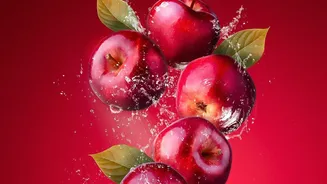
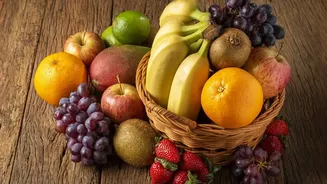
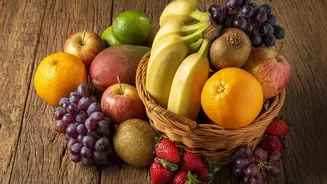
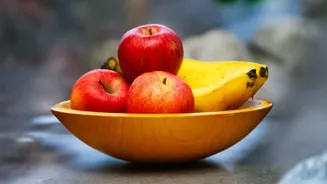
The primary culprit quietly turning your bananas from perfectly yellow to overly ripe is often the humble apple. Apples are one of the most common fruits paired with bananas in a fruit bowl, creating a classic visual. However, they are also prolific producers
of a gaseous plant hormone called ethylene. While many fruits produce ethylene, apples, particularly certain varieties, release it in significant amounts. This invisible gas acts as a powerful ripening agent, not just for the apple itself, but for any ethylene-sensitive fruits nearby, with bananas being one of the most responsive. Pears, avocados, and even tomatoes also produce ethylene and can have the same effect, but the classic apple-and-banana combination is a frequent, if unintentional, recipe for accelerated ripening.
The Science of Ripening: Understanding Ethylene
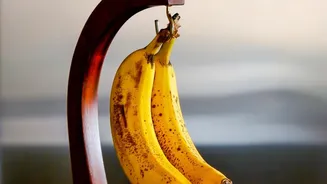
Ethylene is a natural hydrocarbon gas that functions as a ripening hormone in many fruits, which are known as climacteric fruits. Think of it as a signal that tells the fruit it's time to mature. When a fruit like an apple or banana starts to ripen, it releases ethylene gas. This gas triggers a cascade of changes within the fruit: starches convert into sugars (making it sweeter), cell walls begin to break down (making it softer), and pigments change (turning a green banana peel yellow). When you place a high-ethylene producer like an apple next to a banana, you are essentially surrounding the banana with a concentrated cloud of these ripening signals. The banana absorbs the external ethylene, which prompts its own internal ethylene production to ramp up, dramatically speeding up the entire ripening process.
Harnessing the Power of Ethylene
This fruity phenomenon isn't necessarily a bad thing. If you find yourself with hard, green bananas and a sudden craving for banana bread, you can use this knowledge to your advantage. To ripen bananas quickly, place them in a loosely closed paper bag along with a ripe apple or pear. The paper bag traps the ethylene gas produced by both fruits, creating a high-concentration environment that can ripen the bananas in as little as 24 to 36 hours. This method is far more effective than simply leaving them on the counter, as it contains the ripening hormone and puts it to work. This same trick works for other fruits that need a ripening boost, such as avocados, plums, and mangoes.
How to Keep Bananas Fresh for Longer
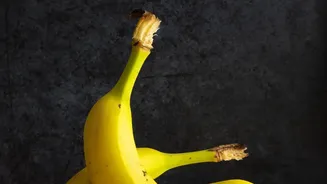
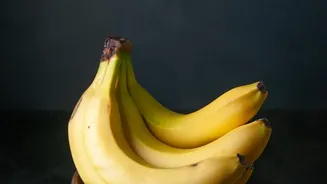
On the flip side, if your goal is to make your bananas last, strategic storage is key. The most important step is to separate your bananas from high-ethylene producing fruits like apples, pears, and avocados. Giving them their own space on the counter, away from the main fruit bowl, can significantly slow down the ripening process. For an extra layer of protection, you can wrap the stems of the banana bunch in plastic wrap. The stems are where much of the ethylene is released, so containing it at the source helps preserve the entire bunch. Another tip is to separate the bananas from each other once they reach your desired level of ripeness; this prevents a single rapidly ripening banana from taking the rest of the bunch with it. Once perfectly ripe, you can also place them in the refrigerator. The peel may turn dark, but the fruit inside will remain fresh for several more days.