




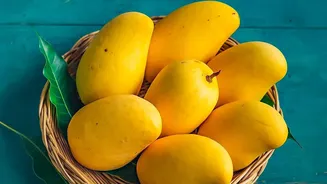


A Milestone for Mango Exports
In a landmark move for Indian horticulture, the first-ever air shipment of Neelam and Totapuri mangoes from Karnataka was recently flagged off to the Maldives. The one-metric-tonne consignment, which departed on July 30, was facilitated by the Agricultural
and Processed Food Products Export Development Authority (APEDA). This initiative is seen as a pivotal step in promoting Karnataka's late-season mango varieties in overseas markets, extending the export window beyond the traditional peak season. The mangoes were sourced directly from farmers in the Kolar district, a region known for its mango cultivation.
The Urgent Need for Speed
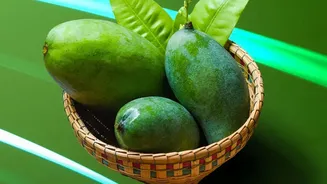
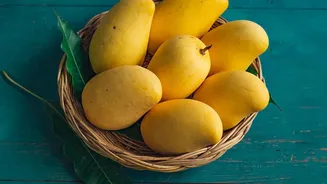
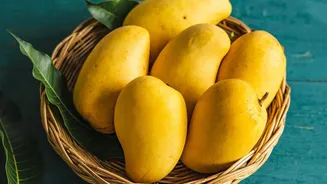
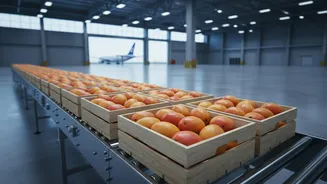
For perishable goods like mangoes, time is money. The shift to air cargo is a direct response to the need to get these fruits to market quickly, minimizing spoilage and maximizing freshness. Neelam and Totapuri are late-season varieties, typically harvested from late June to the end of July. Air freight drastically cuts down transit time compared to traditional sea or road transport, ensuring the produce reaches international consumers in prime condition. This is particularly crucial for maintaining the quality of Neelam mangoes, prized for their sweet, juicy pulp, and Totapuri, valued for its tangy flavour and use in processing.
A Major Win for Farmers
This new export channel represents a significant financial victory for the growers in Karnataka. Farmers associated with the Prakruthimaya Farmers Producer Company Ltd., who supplied the mangoes, realised returns more than 50% higher than what they would typically earn in domestic markets. In a year when low prices for Totapuri mangoes hit farmers hard, the export initiative provided a much-needed lifeline. For instance, Totapuri mangoes that fetched just ₹3 to ₹4 per kg locally were sold for ₹30 per kg for export. Similarly, Neelam mangoes commanded a price of ₹72 per kg, more than double the local market rate. This model of direct procurement connects farmers with global markets, cutting out intermediaries and boosting sustainable income.
The Power of Collaboration
The success of this first shipment is a testament to the collaborative efforts of multiple stakeholders. APEDA played a crucial role in orchestrating the initiative, working alongside the Farmer Producer Company (FPC) and a newly registered woman-led export enterprise, M/s Ahalya Devi Ventures. This venture highlights the growing role of women entrepreneurs in India's agricultural export ecosystem. The FPC model was instrumental in aggregating quality produce directly from farmers, ensuring a streamlined and efficient supply chain ready for the demands of international export. This structured approach is vital for tapping into global markets for premium horticultural products.
Paving the Way for Future Growth
While the initial one-tonne shipment is modest, its implications are vast. This successful air cargo export serves as a powerful proof of concept, demonstrating the viability of sending late-season Indian mangoes to new international destinations. Officials hope this will encourage greater participation from Farmer Producer Organisations, exporters, and agri-entrepreneurs across the country. By extending the mango export calendar and establishing new market linkages, India can further solidify its position as a major global supplier of high-quality mangoes, bringing benefits to both farmers and consumers alike.