



Look Beyond the Perfect Photo
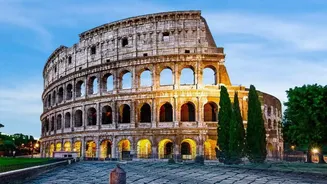
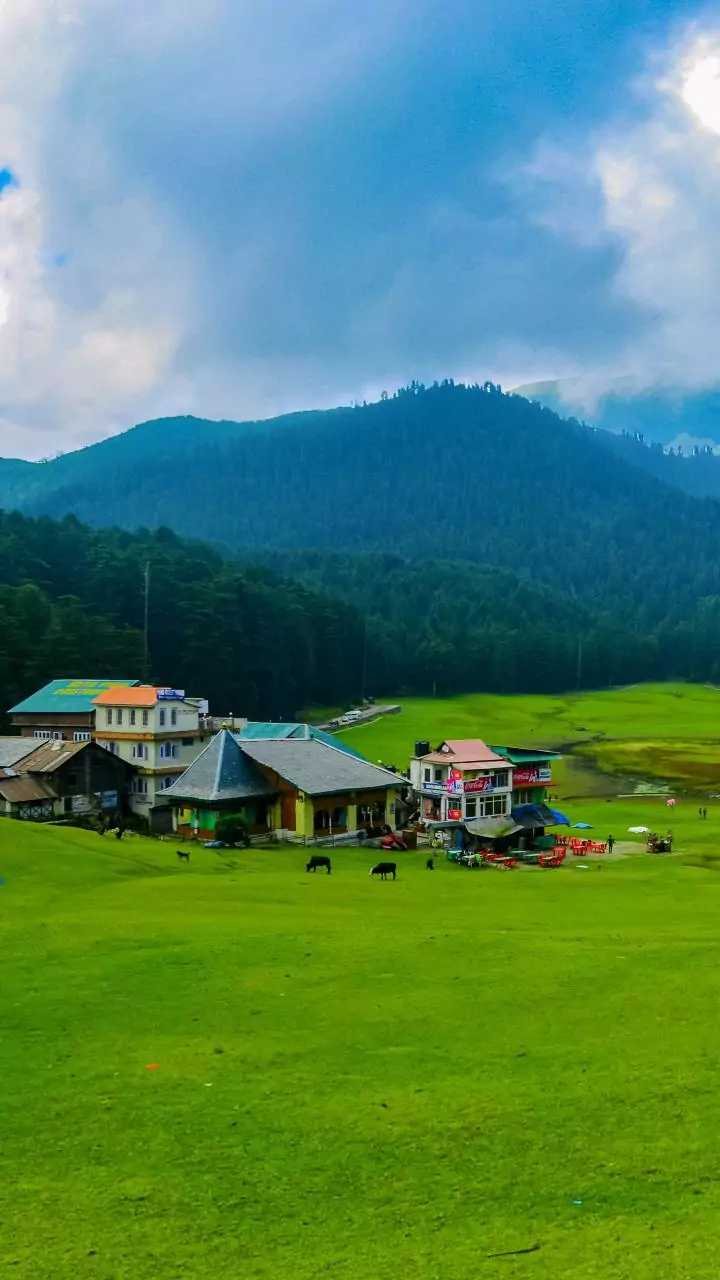
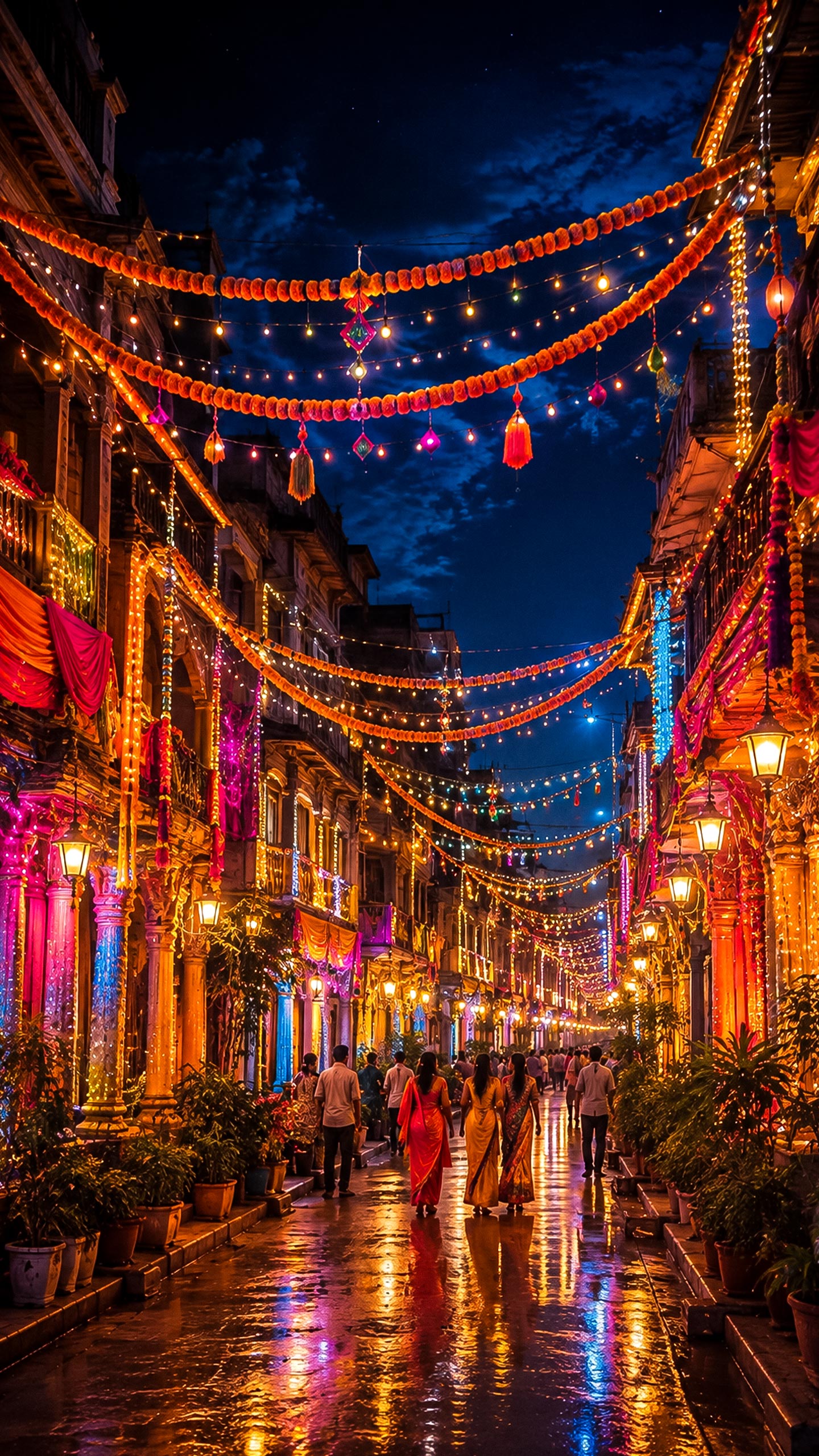
A single, stunning photo can make any location seem magical. But often, that perfect shot is taken from one specific angle, hiding the long queues, crowds, and commercialism just out of frame. Before you commit, do some digital detective work. Use the location's
geotag on social media to see all the photos people have posted, not just the professional ones. Look at the 'most recent' tab instead of just 'top posts' to get an uncurated, real-time view of the place. This gives you a much more honest picture of the crowds, the weather, and the general atmosphere you can expect on a normal day, not just on a perfect one.
Learn to Decode Online Reviews
A 4.5-star rating doesn't tell the whole story. The real insights are in the details. First, filter reviews to see the most recent ones; a place that was great two years ago might have declined. Ignore the most extreme one-star and five-star reviews, as they are often outliers. Instead, look for consistent patterns in the three-star reviews, which tend to be more balanced. Are multiple people mentioning that it felt rushed, that there were hidden fees, or that it was surprisingly smaller than expected? Those are significant red flags. A great pro tip is to find reviews written by locals in their own language and use a browser's translate function. Their perspective on what constitutes a genuine experience is invaluable.
Analyse the Local Economy
Walk down the main street near the attraction. Do you see more shops selling identical souvenirs, keychains, and T-shirts than you see bakeries, pharmacies, or grocery stores? When a neighbourhood's economy is built entirely around tourists who will be gone tomorrow, the quality of goods and services often drops. The focus shifts from serving a community to extracting as much money as possible from transient visitors. This leads to overpriced cafes with generic menus and a general lack of authentic local life. A healthy destination has a balance, where locals and tourists can coexist. If it feels more like a theme park than a living community, it's a major warning sign.
Question the 'Cultural Experience'
Many destinations offer 'traditional' shows, village tours, or craft demonstrations. While some are genuine, many are staged performances designed for tourists. Ask yourself if the experience feels like a living tradition or a rehearsed show that ends with a push to buy something. Authentic cultural experiences often have messy edges, involve local audiences, and don't run on a perfectly timed schedule. If an event is advertised with aggressive flyers on every corner and feels more like a sales pitch than a genuine welcome, it’s likely been manufactured for tourist consumption. Look for experiences recommended on local community boards or smaller blogs instead.
Check the Menus for Warning Signs
Restaurants in tourist-heavy areas often reveal themselves before you even order. One of the most classic signs of a tourist trap is a large, laminated menu with photos for every dish, translated into four or more languages. This signals that the establishment caters to a constant churn of visitors, not repeat local customers who value quality. Another red flag is an aggressive host standing outside trying to wave you in. Places that locals love rarely need to solicit business so forcefully. For better food, walk just two or three blocks away from the main square or landmark. You’ll often find smaller, family-run spots with handwritten menus and much more authentic flavour.
Follow Niche and Local Creators
Mega-influencers often showcase the same handful of famous, sponsor-friendly spots. For a more grounded view, seek out local bloggers, food critics, or niche creators who live in the destination. Their content is more likely to feature neighbourhood gems, new restaurant openings, and authentic experiences that fly under the radar. Instead of searching generic hashtags like #Italy, try more specific ones like #RomeStreetArt or #FlorenceEats to find content that aligns with your actual interests. These creators can give you a feel for the real rhythm of a city, far from the overhyped attractions.
Listen When the Locals Warn You
When you're at your destination, don't be afraid to ask for advice from your hotel receptionist, a friendly shopkeeper, or even someone you chat with at a coffee shop. If you ask about a famous landmark and they hesitate, sigh, or say something like, “It's very crowded, and honestly, a bit expensive for what it is,” pay close attention. This isn't just a random opinion; it's pattern recognition from someone who sees thousands of tourists come and go. They have watched the quality of a place decline as its popularity has soared. Often, they will follow up their warning with a much better suggestion—a quieter viewpoint, a more interesting museum, or a neighbourhood with a better vibe.