

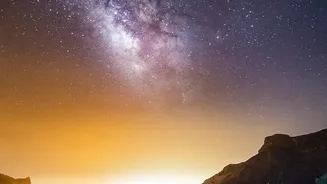
Dehene Village: The Go-To Spot
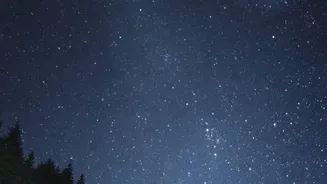
Just a couple of hours' drive from Mumbai, Dehene has become a hotspot for amateur astronomers and astrophotographers. Nestled in the foothills of the Sahyadris, the village offers wide, unobstructed views of the night sky, making it ideal for spotting
constellations and even capturing star trails. Its minimal light pollution provides a clear canvas for celestial events. Many local astronomy groups organize regular weekend camps here, complete with telescopes and expert guidance, making it accessible even for beginners. The journey itself, often by local jeep from Asangaon station, is part of the rustic adventure.
Naneghat: A Trekker’s Celestial Paradise
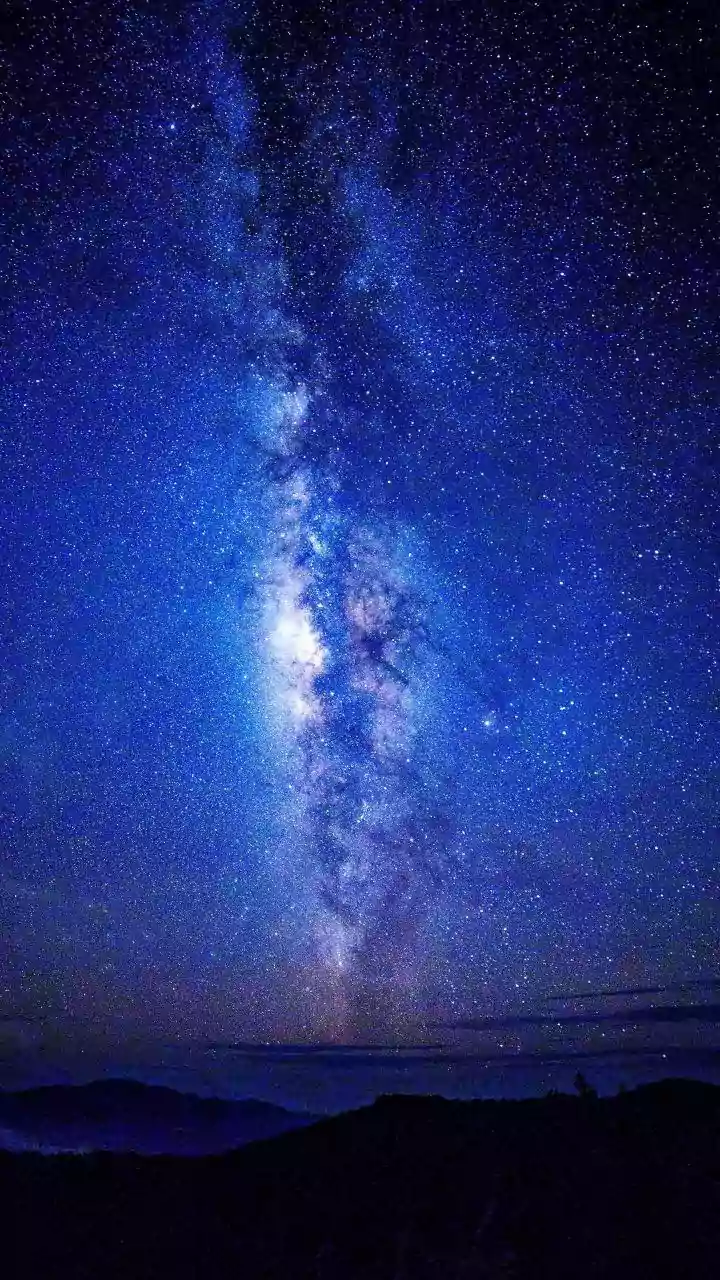
For those who enjoy combining a bit of adventure with their stargazing, the ancient mountain pass of Naneghat is a perfect choice. Located about three hours from Mumbai, this historic trade route offers breathtakingly dark skies, especially during the dry winter and summer months. Many visitors opt for a night trek to the top, setting up camp to watch the cosmos unfold. The lack of urban development means the sky is dark enough to see the Milky Way with the naked eye on clear, moonless nights. It’s a rewarding experience that combines physical activity with celestial beauty.
Bhandardara: Lakeside Serenity
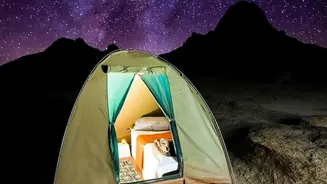
Primarily known as a monsoon getaway, Bhandardara transforms into a stargazer's dream once the rains subside. Situated around 165 km from Mumbai, the area around Arthur Lake and the Bhandardara Dam provides a serene and dark environment. Camping near the lake allows for a peaceful night of watching constellations reflect on the water's surface. The elevation and distance from major cities ensure that light pollution is significantly lower, offering crisp views of the night sky. For a truly secluded experience, some local villagers may even offer boat trips to small islands in the lake for an uninterrupted night with the stars.
Vaitarna: An Astrophotographer's Dream
The area around the Vaitarna Dam is another excellent choice, particularly for those interested in astrophotography. The vast, open skies and dark surroundings create the perfect setting to capture the Milky Way, which is often visible here during the summer months. Several campsites along the Vaitarna riverside cater specifically to stargazers, offering a tranquil escape from the city. The combination of a beautiful lakeside view and pristine skies makes it a much sought-after destination for a weekend of cosmic exploration.
What to See in Late 2026
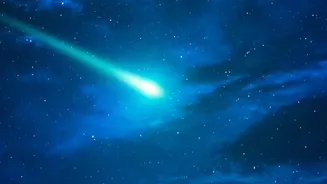
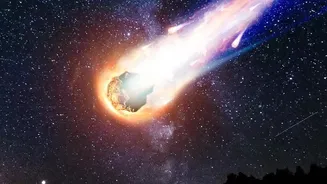
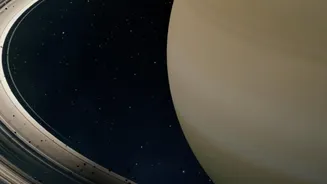
The post-monsoon period is rich with celestial events. In October 2026, Saturn will be at opposition on October 4th, making it appear brighter and larger than usual all night long. The Draconid meteor shower peaks just after nightfall around October 8th, under the dark skies of a new moon. Later in the month, the Orionid meteor shower, produced by dust from Halley's Comet, will peak on the night of October 21st. As the season progresses, the winter constellations like Orion will become more prominent, returning to the evening sky by late October.
Essential Stargazing Tips
To make the most of your trip, planning is key. The best viewing conditions are typically in the five nights around a new moon, when moonlight doesn't wash out fainter stars. Allow your eyes at least 20-30 minutes to adapt to the darkness; avoid looking at your phone screen, which can reset your night vision. Using a red-light torch is recommended. While a telescope offers spectacular views of planets and distant nebulae, even a good pair of binoculars can reveal stunning details of the Moon, star clusters, and the brighter galaxies. Finally, download a planetarium app like Stellarium to help you identify what you're seeing.