



A Different World Within India
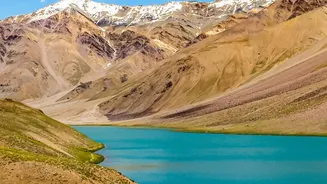
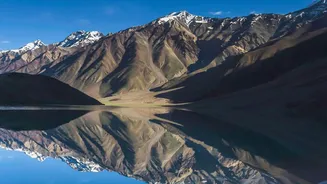
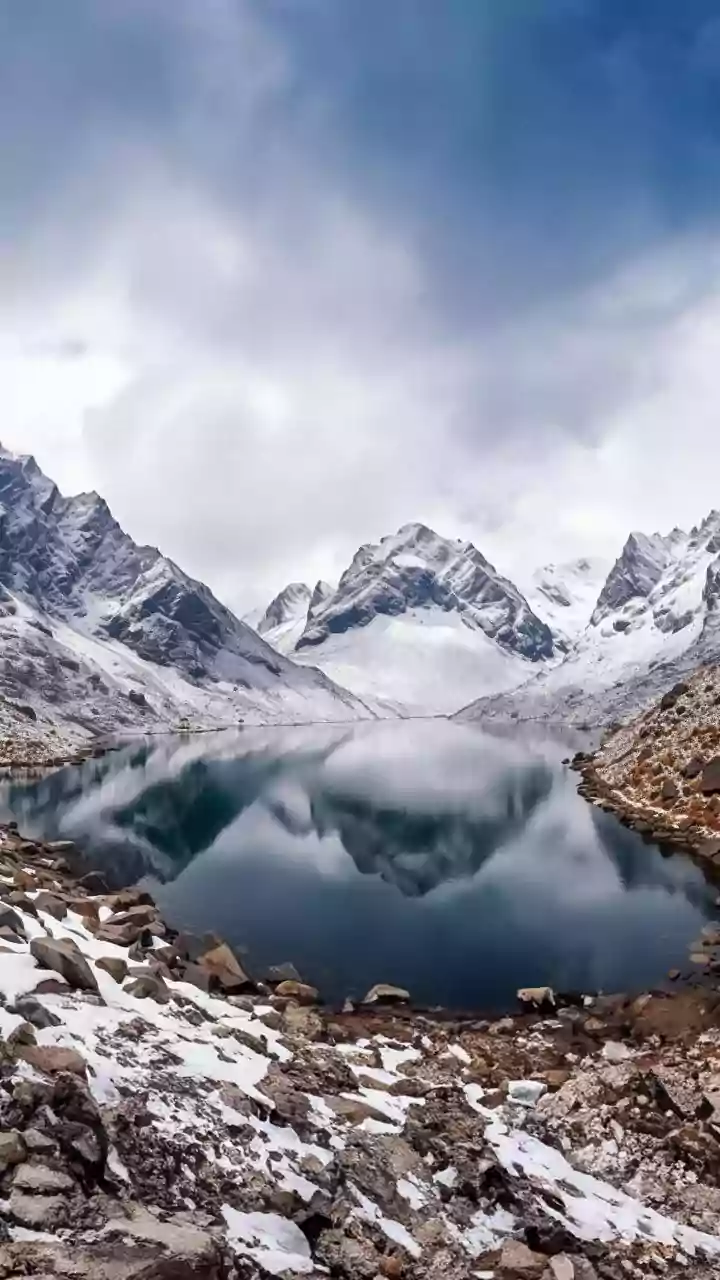
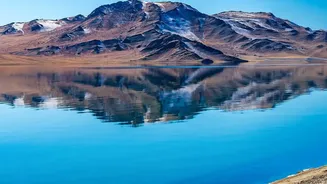
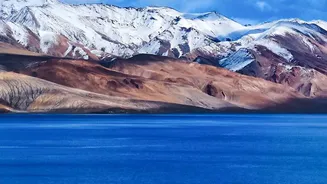
Nestled in the remote Changthang plateau of Ladakh, Tso Moriri is the largest high-altitude lake entirely within Indian territory. Situated at a staggering altitude of over 4,500 metres (around 14,836 feet), its deep blue waters are surrounded by arid,
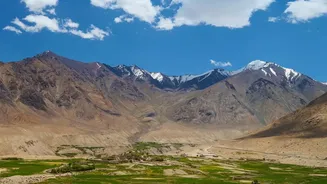
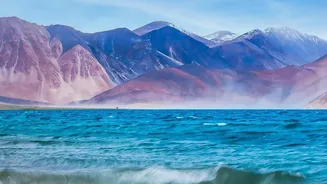
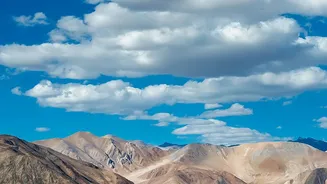
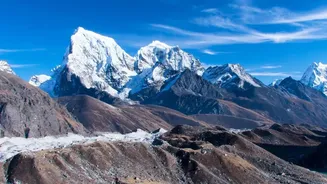
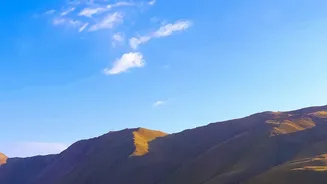
soaring mountains that often exceed 6,000 metres. This combination of a vast, brackish lake, expansive dry plains, and snow-dusted peaks creates a landscape that many compare to the remote highlands of Tibet or the steppes of Mongolia. The sheer scale and emptiness of the Rupshu Valley, where the lake lies, contribute to a feeling of being on a different planet, far from the lush greenery typically associated with much of India.
The High-Altitude Cold Desert
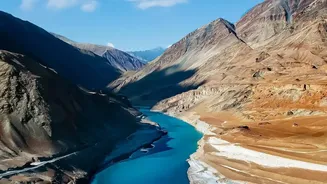
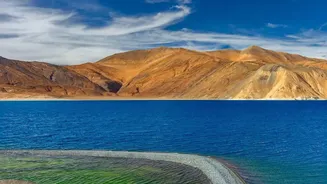
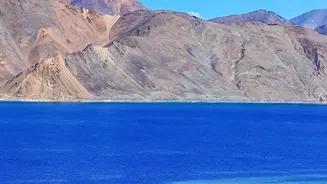
The geography of Tso Moriri is key to its 'foreign' feel. It's part of the Changthang cold desert, an extension of the massive Tibetan Plateau. This region is characterized by extreme temperatures, thin air, and low productivity, supporting only hardy vegetation. The lake itself is endorheic, meaning it has no outflow; water from glacial streams flows in, but it can only leave through evaporation. This process leaves the water slightly brackish. The stark contrast between the crystal-clear, multi-hued blue lake and the barren, brown-and-purple mountains surrounding it is a photographer's dream and a defining feature of its alien beauty.
A Sanctuary for Rare Wildlife
Despite the harsh conditions, the Tso Moriri basin is a critical habitat for a unique array of wildlife. The lake and its adjacent wetlands form the Tso Moriri Wetland Conservation Reserve, a designated Ramsar site of international importance—in fact, it's the highest Ramsar site in the world. This protected status is crucial because the area is the only breeding ground in India for the bar-headed goose and one of the most important for the endangered black-necked crane. Birdwatchers flock here to spot these rare species, along with brown-headed gulls and Brahminy ducks. The surrounding plains are home to mammals like the Kiang (Tibetan wild ass), Himalayan marmots, blue sheep, and even the elusive snow leopard.
Home of the Changpa Nomads
The human element of Tso Moriri is just as unique as its landscape. The region is home to the Changpa, a community of semi-nomadic pastoralists who have lived in this challenging environment for centuries. Originally migrants from Tibet, they move with their herds of yaks and goats across the high-altitude pastures. The Changpas are famous for raising the Changthangi goats that produce the world-renowned Pashmina wool. Their ability to thrive in such an extreme climate, living in traditional tents and maintaining a life in harmony with nature, adds a profound cultural depth to the region’s seemingly desolate beauty.
Essential Visitor Information
Visiting Tso Moriri requires planning due to its remoteness and high altitude. The best time to visit is during the summer months, from May to September, when the weather is most pleasant and the roads are accessible. Reaching the lake involves a long drive of about 6-8 hours from Leh, the main city in Ladakh. Acclimatization is crucial; visitors should spend at least a couple of days in Leh (which is at a lower altitude) to get used to the thin air before proceeding. Due to its proximity to the Line of Actual Control, all visitors, both Indian and foreign, need to obtain a permit. Accommodation is basic, consisting mainly of homestays and guesthouses in the nearby Korzok village, as camping directly on the lake's protected shores is not allowed.