


The Science of Ripening
The secret ingredient in this rapid ripening is a completely natural, colorless, and odorless plant hormone called ethylene gas. Many fruits produce ethylene as they mature, and it acts as a signal to begin the ripening process. This hormone is responsible
for the changes we associate with ripening: starches converting to sugar, the fruit softening, the skin changing color, and the development of characteristic aromas. Think of ethylene as nature’s way of saying, “I’m ready to be eaten!” While all fruits produce some ethylene, some are superstars in the production department, and this is where the interaction between different fruits comes into play.
Why Apples are a Banana's Worst Enemy (or Best Friend)
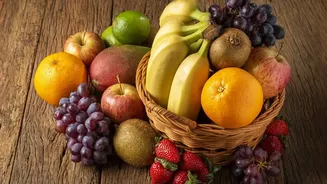
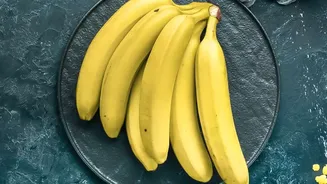
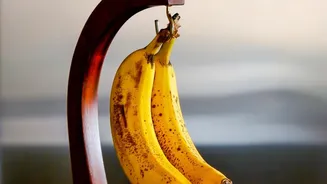
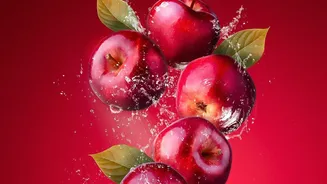
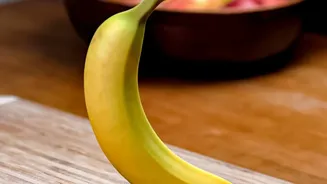
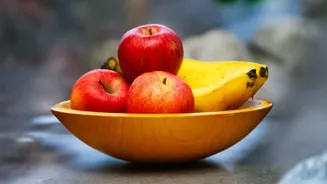
Apples are one of the most prolific producers of ethylene gas. When you place an apple next to a banana, the apple releases a steady stream of this ripening hormone. Bananas happen to be very sensitive to ethylene. When a banana's cells detect the ethylene from a nearby apple, it triggers their own ripening process to accelerate dramatically. This creates a feedback loop; as the banana ripens, it also starts producing its own ethylene, which speeds up the process even more for itself and any other nearby fruit. So, that one apple can indeed cause a whole bunch of bananas to go from perfectly yellow to overly ripe in a much shorter time than expected.
Harnessing the Power of Ethylene
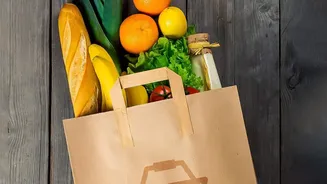
Instead of seeing this as a problem, you can use this knowledge to your advantage. Got a rock-hard avocado or a stubbornly green peach you want to enjoy sooner? Don’t wait. You can become the master of your own fruit bowl by creating a ripening chamber. Place your unripe fruit in a paper bag along with a high-ethylene producer like a ripe banana or an apple. The paper bag traps the ethylene gas, concentrating it and significantly speeding up the ripening process. This trick works wonders for avocados, pears, nectarines, and tomatoes, often ripening them in just a day or two instead of the better part of a week.
Strategic Separation for Longer Freshness
On the other hand, if you want your produce to last as long as possible, the key is strategic separation. Keeping high ethylene-producing fruits away from ethylene-sensitive ones can add days, or even weeks, to their shelf life. This is a crucial step in reducing food waste. For example, storing apples next to broccoli or carrots is a bad idea; ethylene causes broccoli to turn yellow and can make carrots bitter. Your leafy greens, cucumbers, and asparagus are also highly sensitive and will wilt or spoil much faster when exposed to the gas. A simple rule of thumb is to store your fruits and vegetables separately, and be especially mindful of keeping the biggest ethylene producers isolated.
The Ethylene Hit List
To make it easier, it helps to know the key players. You can think of your produce in two main categories: the producers and the sensitive ones. High Ethylene Producers: These are the fruits you can use to speed up ripening, or that you should keep separate to slow it down. Key examples include Apples, Avocados, Bananas (when ripening), Peaches, Pears, Plums, Cantaloupe, and Tomatoes. Highly Ethylene-Sensitive Produce: These are the items that will spoil quickly when stored near the producers. This group includes Asparagus, Broccoli, Carrots, Cucumbers, Leafy Greens (like lettuce and spinach), Grapes, and Sweet Potatoes. Keeping these two groups apart is the single best thing you can do to keep your produce fresh.