



The Case for Walking: Accessible and Heart-Healthy
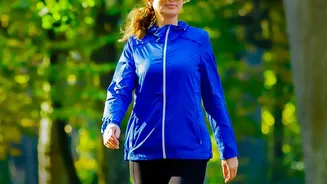
Walking is the quiet hero of fitness. Its biggest advantage is accessibility—it's free, requires no special equipment, and can be done almost anywhere. As a form of aerobic exercise, its primary benefit lies in cardiovascular health. Regular brisk walking
helps strengthen the heart, lower blood pressure, and improve circulation, reducing the risk of heart disease. It's also a weight-bearing activity, which is crucial for maintaining bone density and can help slow bone loss, particularly for post-menopausal women. Beyond the physical, walking has a profound impact on mental well-being, with studies showing it can reduce stress and improve mood, especially when done in nature. The rhythmic motion has a calming effect, making it a sustainable habit for long-term health.
The Power of Pilates: Core Strength and Control
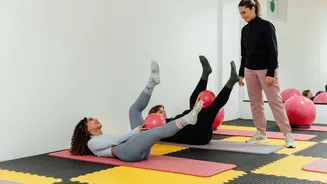
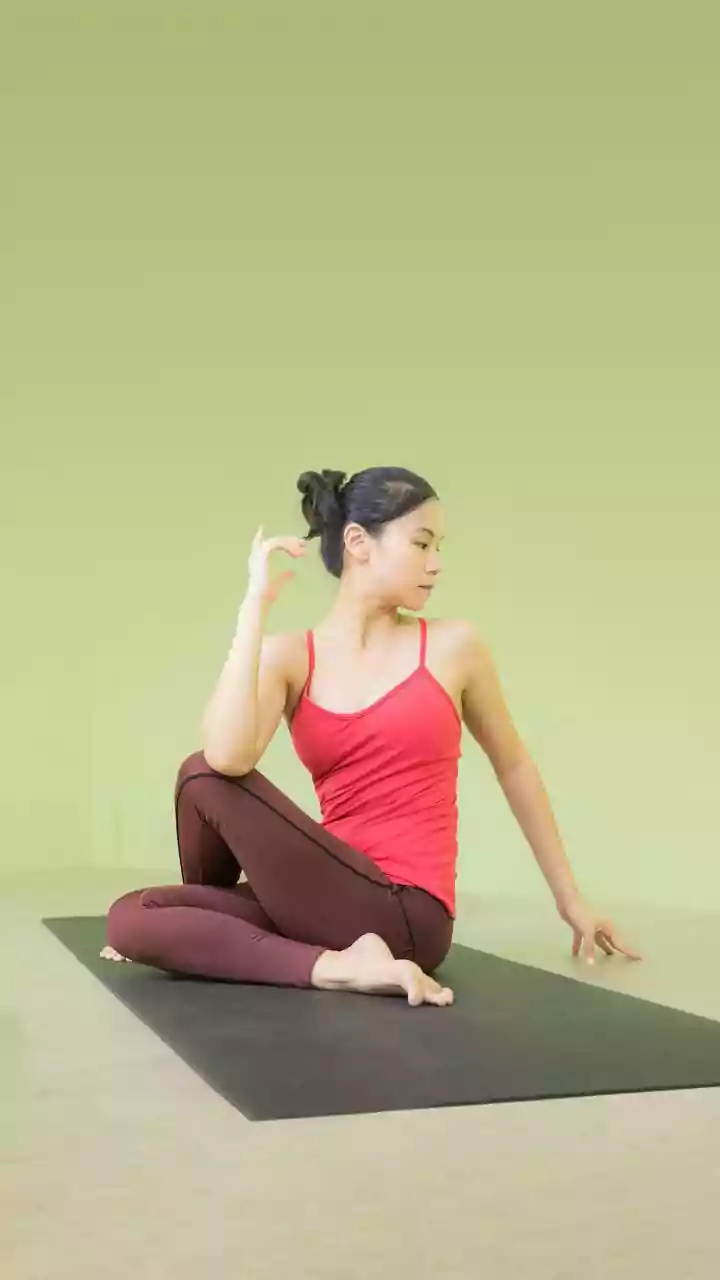
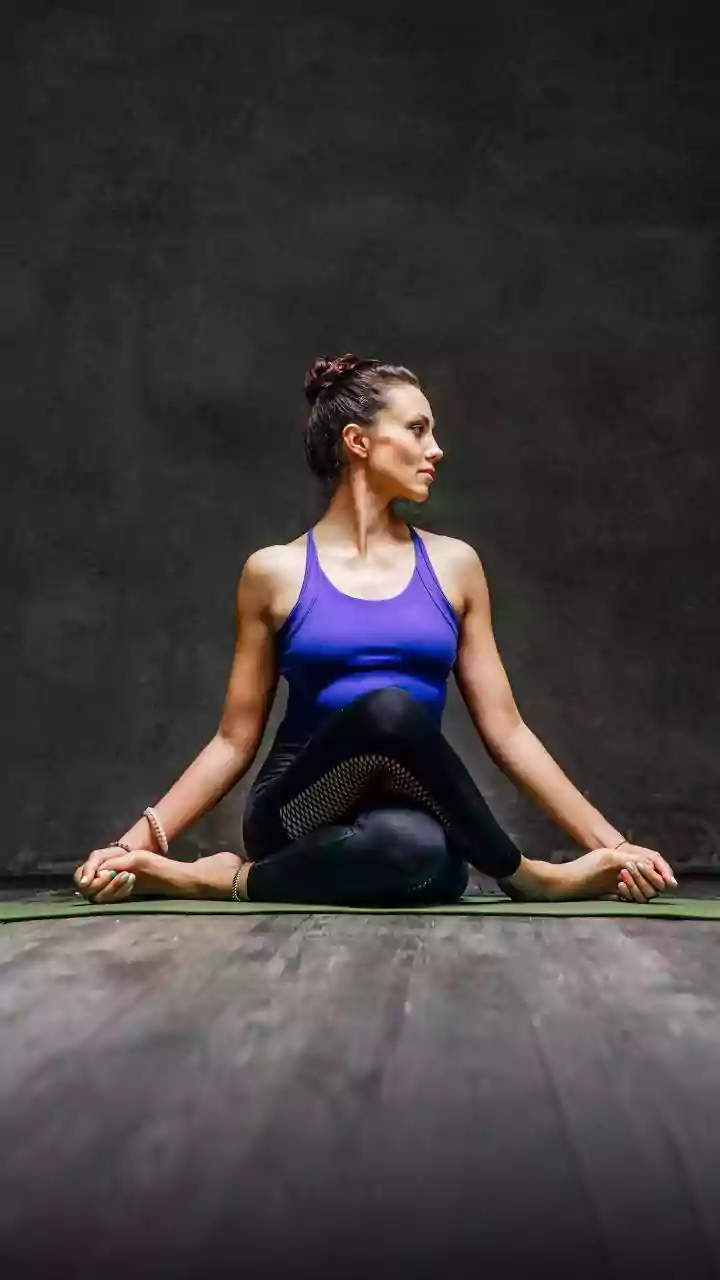
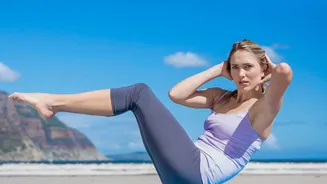
Pilates, whether on a mat or a reformer machine, works from the inside out. Its main focus is on building core strength, which refers to the deep muscles of your abdomen, back, and pelvic floor. A strong core is the foundation for good posture, balance, and injury prevention. Unlike walking's repetitive forward motion, Pilates involves controlled, precise movements in multiple planes, targeting muscle groups that walking doesn't engage, like rotational and side-body stabilisers. This leads to improved flexibility, muscle tone, and body awareness. Because it is low-impact, Pilates is excellent for those with joint sensitivities or who are recovering from injury.
Cardio vs. Strength: Understanding the Key Difference
The fundamental difference between walking and Pilates lies in their primary function. Walking is predominantly a cardiovascular workout that improves endurance and heart health. Pilates is best classified as a form of strength training that focuses on muscular control, endurance, and alignment. While a brisk walk will elevate your heart rate for a sustained period, a Pilates session typically involves shorter bursts of effort focused on muscle engagement. For weight management, both play different roles. Walking is effective at burning calories during the activity itself. Pilates helps build lean muscle mass, which can boost your overall metabolism, helping you burn more calories even at rest.
Cost, Convenience, and Practicality
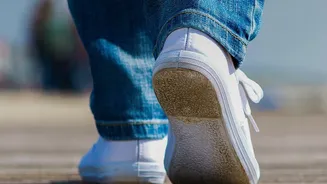
When it comes to practicality, walking is the undisputed champion. It fits easily into a busy schedule and requires nothing more than a comfortable pair of shoes. Pilates, on the other hand, often requires an investment. Mat classes can be done at home with minimal expense, but many people benefit from instructor guidance to ensure proper form. Reformer Pilates, which uses specialised equipment, offers more resistance and variety but comes at a higher cost for classes or machine ownership. Your choice may come down to budget and how much structure you prefer in your routine.
Better Together: The Complementary Approach
Instead of viewing walking and Pilates as an either-or choice, the most effective approach is to see them as a perfect partnership. Walking provides the aerobic conditioning that Pilates lacks, while Pilates builds the core strength, posture, and flexibility that can make your walks more efficient and comfortable. A strong core from Pilates helps stabilise your body while walking, reducing the risk of aches and pains. Good posture learned in Pilates class translates directly to how you carry yourself throughout the day. By combining the two, you create a well-rounded fitness regimen that addresses cardiovascular health, muscular strength, and flexibility for holistic, long-term well-being.