





The Thirst Behind the Cloud
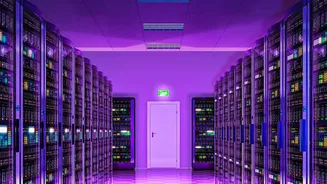
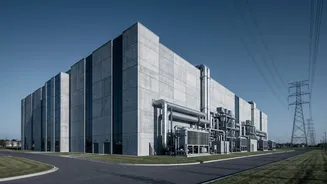
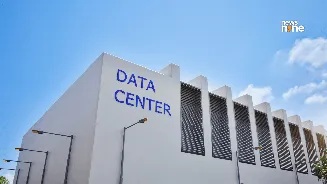
Every search, stream, and AI query is processed in a physical data centre packed with powerful servers that generate immense heat. To prevent overheating, these facilities require constant cooling, which has traditionally relied on water. Evaporative
cooling systems, a common technology, use vast quantities of water to dissipate heat. A single large hyperscale data centre can consume millions of litres of water per day, comparable to the daily needs of a small town. This creates a direct link between the growth of the 'virtual' cloud and the consumption of a very physical resource: fresh water.
A Data Boom in a Water-Stressed Nation
India's data centre market is expanding at a breakneck pace, with capacity expected to hit 2 gigawatts by the end of 2026. This boom, fueled by huge investments from global tech giants and a national push for digital sovereignty, is on a collision course with a stark reality: water scarcity. India's data centres are estimated to have consumed around 150 billion litres of water in 2025, a figure projected to more than double to 358 billion litres by 2030. Compounding the issue, a majority of these data hubs are concentrated in cities already facing significant water stress, including Mumbai, Chennai, Bengaluru, and Hyderabad. These urban centres have experienced recurring water crises, yet they continue to be the primary destinations for new data centre capacity, raising serious questions about long-term sustainability.
The Search for Smarter Cooling
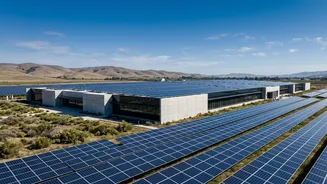
The industry is not blind to the challenge. Acknowledging the problem, tech companies and policymakers are increasingly looking toward more sustainable cooling technologies. These include advanced closed-loop liquid cooling systems, which circulate a coolant directly to the hottest components like computer chips, and air-based cooling that relies on ambient air. These methods drastically reduce or even eliminate operational water consumption compared to older evaporative techniques. The Indian government has indicated that it expects new data centres to adopt these modern systems, with some facilities planning to use treated wastewater or desalinated water instead of fresh water. States like Karnataka are also introducing policies that incentivise water efficiency by requiring data centres to report their Water Usage Effectiveness (WUE), a metric that measures water consumed relative to IT energy use.
Balancing Growth and Responsibility
The core of the issue is a lack of comprehensive regulation and transparency. Currently, many state policies don't mandate the disclosure of water consumption, leaving a significant gap in oversight. While the central government has pointed to existing groundwater regulations, critics argue that data centres represent a unique class of infrastructure that requires specific environmental standards, not just rules designed for general buildings. Without mandatory reporting and stricter environmental assessments, especially in water-stressed regions, India risks building its digital future on an unsustainable foundation. The rapid growth of AI, with its even more intensive computing and cooling needs, only amplifies this urgency.