






Introducing the 'Destroy & Rebuild Index'
A new Oxfam report, titled 'Disaster Divide', introduces a tool that starkly illustrates the financial dynamics of the climate crisis. Coined the 'Destroy & Rebuild Index', it identifies 217 major corporations that are profiting from two distinct areas:
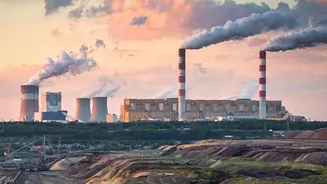
industries that fuel climate breakdown, such as fossil fuels, and industries involved in disaster preparedness, recovery, and reconstruction. This novel approach doesn't just track carbon emissions; it follows the money. The index reveals a disturbing overlap where the same class of investors are backing companies that cause the damage and then also investing in the companies that are paid to clean it up or sell protection from it.
A Vicious Cycle of Profit
The findings paint a grim picture. The world's wealthiest investors, through their stakes in high-polluting industries, are disproportionately driving the climate crisis. The emissions of the richest 1% are projected to cause nearly 1.9 million excess heat-related deaths. Simultaneously, these same investors are seeing returns from the growing 'disaster economy'. This market, which includes everything from flood barriers and firefighting equipment to private insurance and loans for rebuilding, is forecasted to grow from an annual $70 billion to $92 billion by 2029. Oxfam argues this creates a perverse incentive where the wealthy profit from the problem and its supposed solutions, while the most vulnerable populations pay the price through higher costs and greater exposure to disasters.
The Scale of the Imbalance
The numbers behind the index are staggering. The world's richest 0.1%—a group of just 8 million people—produce more carbon pollution than the poorest 3.5 billion people combined. This extreme carbon inequality means a person in that top bracket has contributed almost 400 times more to today's extreme heatwaves than someone in the poorest half of humanity. The report highlights how major asset management firms like BlackRock and Vanguard are pivotal players. These two firms alone are invested in 92% of the corporations on the Destroy & Rebuild Index, with their combined investments in these companies totalling more than $1 trillion. This concentration of investment shows how mainstream finance is deeply entangled in both sides of the climate equation.
Implications for India and the Global South
For countries like India, which are on the frontlines of climate change, these findings are particularly resonant. The report underscores that 78% of the excess heat-related deaths caused by the emissions of the richest 1% will occur in low and lower-middle-income countries. Furthermore, the analysis points out that deaths from flooding are seven times higher in more unequal countries, as wealth provides a buffer against disaster that the poor simply do not have. The financial model exposed by the index—where rich nations and investors offer loans instead of grants for climate adaptation—traps developing nations in cycles of debt. This makes it harder for them to build resilience and recover from disasters they had little role in creating. The report calls this dynamic 'crisis profiteering'.