





The Science of a Happy Gut
Before we dive into the poses, it's helpful to understand why yoga works. Our digestive system is intricately linked to our nervous system through the gut-brain axis. When we're stressed, our body enters a 'fight-or-flight' mode, which can slow down or disrupt
digestion, leading to discomfort like bloating and gas. Yoga helps activate the 'rest-and-digest' part of our nervous system, primarily by stimulating the vagus nerve. This calming effect, combined with poses that physically massage the abdominal organs, improves blood flow, encourages the movement of food and gas through the intestines, and supports overall digestive function. Deep, intentional breathing (pranayama) is a key part of this process, as it further soothes the nervous system and enhances oxygen delivery to our digestive organs.
1. Marjaryasana-Bitilasana (Cat-Cow Pose)
This dynamic movement is a perfect warm-up that gently massages the stomach and intestines. The rhythmic motion of flowing between the two poses can help ease bloating and stimulate digestive organs. How to do it: Start on your hands and knees in a tabletop position, with your wrists directly under your shoulders and knees under your hips. As you inhale, drop your belly towards the floor, lift your chest and chin, and look up toward the ceiling. This is Cow Pose. As you exhale, round your spine toward the ceiling, tucking your chin to your chest and pressing the mat away from you. This is Cat Pose. Continue flowing between Cat and Cow for 8-10 breaths, synchronizing each movement with your breath.
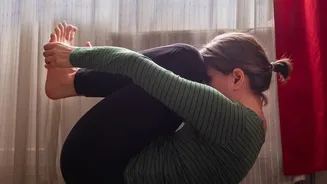
2. Apanasana (Knees-to-Chest Pose)
Often called the 'Wind-Relieving Pose', Apanasana is excellent for releasing trapped gas and reducing bloating. This pose applies gentle pressure to the large intestine, which can help stimulate bowel movements and provide instant comfort from digestive distress. How to do it: Lie on your back with your legs extended. As you exhale, draw both knees into your chest. Clasp your hands around your shins or behind your thighs, giving your knees a gentle hug. Keep your back flat on the floor and try to relax your shoulders. You can remain still or gently rock from side to side for a light lower back massage. Hold for 5-10 deep breaths, feeling the gentle compression on your abdomen.
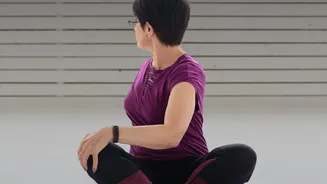
3. Ardha Matsyendrasana (Seated Half Spinal Twist)
Twisting poses are fantastic for digestive health. They work by compressing the organs on one side and then the other, which helps to 'wring out' toxins and improve circulation to the digestive tract upon release. This pose specifically stimulates the liver and kidneys and can relieve indigestion. How to do it: Sit on the floor with your legs extended in front of you. Bend your right knee and place your right foot on the floor outside of your left thigh. For a gentler version, you can keep the left leg straight. Inhale and lengthen your spine. As you exhale, twist your torso to the right. You can hug your right knee with your left arm or place your left elbow on the outside of your right knee for a deeper twist. Place your right hand on the floor behind you for support. Hold for 30 seconds, breathing deeply, then gently release and repeat on the other side.
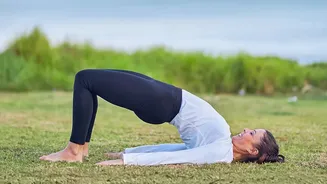
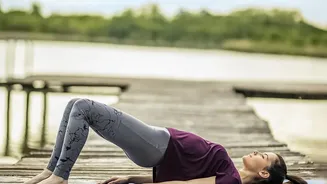
4. Setu Bandhasana (Bridge Pose)
Bridge Pose is a gentle backbend that can stimulate the abdominal organs and improve digestion by creating space in the front body. By compressing the abdominal region as you lift, this pose can help alleviate constipation and bloating. It also calms the brain and can reduce stress, a common trigger for digestive issues. How to do it: Lie on your back with your knees bent and feet flat on the floor, hip-width apart. Your arms should be alongside your body with your palms facing down. On an inhale, press into your feet and lift your hips off the floor. Keep your thighs parallel. You can clasp your hands together underneath your back for a deeper chest opening. Hold the pose for 30 seconds to a minute, breathing steadily. To release, exhale and slowly roll your spine back down to the floor.
5. Supta Matsyendrasana (Supine Spinal Twist)
This restorative pose is a gentle way to finish your routine. It calms the nervous system, releases tension in the spine and lower back, and provides a final gentle massage for your abdominal organs, promoting detoxification and ease. How to do it: Lie on your back and draw your knees into your chest. Extend your arms out to the sides in a 'T' shape. As you exhale, gently lower both knees to your right side. Try to keep both shoulders pressing down toward the floor. You can turn your head to gaze over your left shoulder if it feels comfortable for your neck. If your knees don't reach the floor, place a pillow or blanket under them for support. Hold for 30 seconds to a minute, then inhale to return to the center and repeat on the left side.