


The Temptation of a Quick Fix
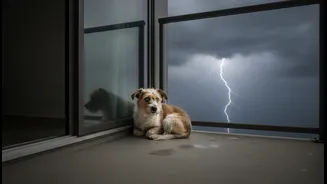
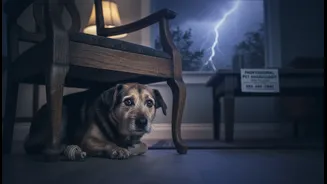
In India, the festive season, particularly Diwali, can be a terrifying time for pets. The loud, unpredictable bursts of firecrackers can send even the most placid dog or cat into a state of panic. They might hide, tremble, pace restlessly, or try to escape.
It's also common to see anxiety spike during travel or even just a routine visit to the groomer. In these moments, it’s understandable for a loving owner to want to provide immediate relief. The idea of using a sedative from your own medicine cabinet might seem like a simple solution. However, this well-intentioned act is one of the most dangerous mistakes a pet owner can make. What works for a human body can be toxic for an animal, and the risks far outweigh any potential benefit.
Why Human Sedatives Are a Hidden Danger
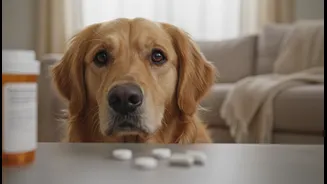
A pet's metabolism is fundamentally different from a human's. Medications that we process safely can be poisonous to them. For example, common pain relievers like Ibuprofen and Acetaminophen (Paracetamol) can cause severe stomach ulcers, kidney damage, or fatal liver failure in dogs and cats. Benzodiazepines, such as Xanax or Valium, which are prescribed for human anxiety, can have a paradoxical effect on pets, sometimes causing agitation instead of calm. In other cases, they can lead to severe lethargy, loss of coordination, and dangerously slowed breathing. The dosage is another critical factor. It's nearly impossible for a layperson to correctly calculate a safe dose for an animal, making an overdose a significant risk. Giving your pet a human medication without a vet's explicit guidance is a gamble with their life.
Safe Havens: Vet-Approved Solutions
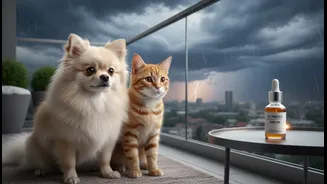
When your pet genuinely needs help managing anxiety, your veterinarian is your most important ally. There are several pet-specific medications that are both safe and effective when prescribed and monitored by a professional. Depending on your pet's health, age, and the cause of their anxiety, a vet might recommend medications like Trazodone or Gabapentin. These are commonly used to manage short-term stress from events like fireworks or travel. Another option is a dexmedetomidine oral gel, which can provide calming effects. These are not over-the-counter solutions; they require a proper diagnosis and precise dosage instructions from your veterinarian to ensure your pet’s safety and well-being. Always consult your vet well in advance of a stressful event, as it's easier to prevent a fearful reaction than to reverse one.
Beyond the Pill Bottle: Calming Without Drugs
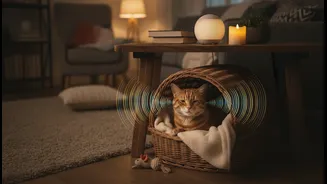
Medication isn't the only answer, and it's often best used in combination with other strategies. You can do a lot to help your pet feel secure without resorting to drugs. Creating a 'safe space' is a great first step. This could be a crate covered with a blanket or a quiet room with closed curtains where they can retreat. Playing white noise or calming music can help muffle frightening outside sounds like firecrackers or thunder. Distraction with long-lasting chew toys or food puzzles can also redirect their focus. Anxiety wraps, like the ThunderShirt, apply gentle, constant pressure that has a swaddling, calming effect on many dogs and cats. Another effective tool can be pheromone diffusers, which release calming scents that are undetectable to humans but soothing for pets. A long walk or vigorous play session earlier in the day can also help tire your pet out, making them less likely to react to evening noise.