


Build on a Foundation of Dals and Legumes
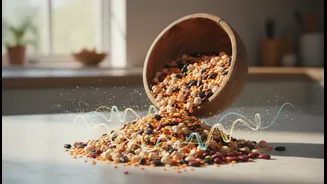
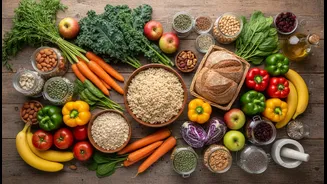
The true backbone of affordable Indian plant-based protein is the humble dal, along with other legumes like chickpeas (chana) and kidney beans (rajma). These ingredients are not only cost-effective, especially when bought dried and in bulk, but they are also
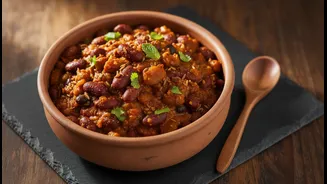
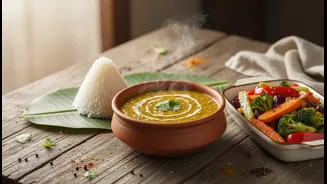
incredibly versatile and packed with protein. A simple dal tadka, chana masala, or rajma curry can form the protein-rich centrepiece of a meal for a fraction of the cost of meat or processed vegan substitutes. Mastering a few basic recipes for these staples is the first step towards a budget-friendly plant-based lifestyle. Many traditional Indian recipes are naturally built around these ingredients, making the transition feel both familiar and easy on your wallet.
Embrace Seasonal and Local Vegetables
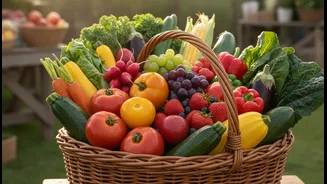
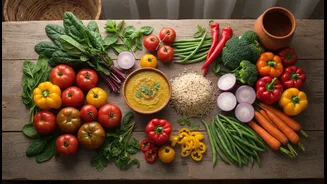
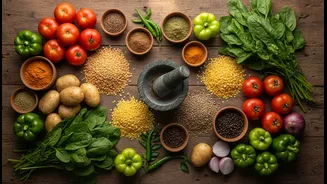
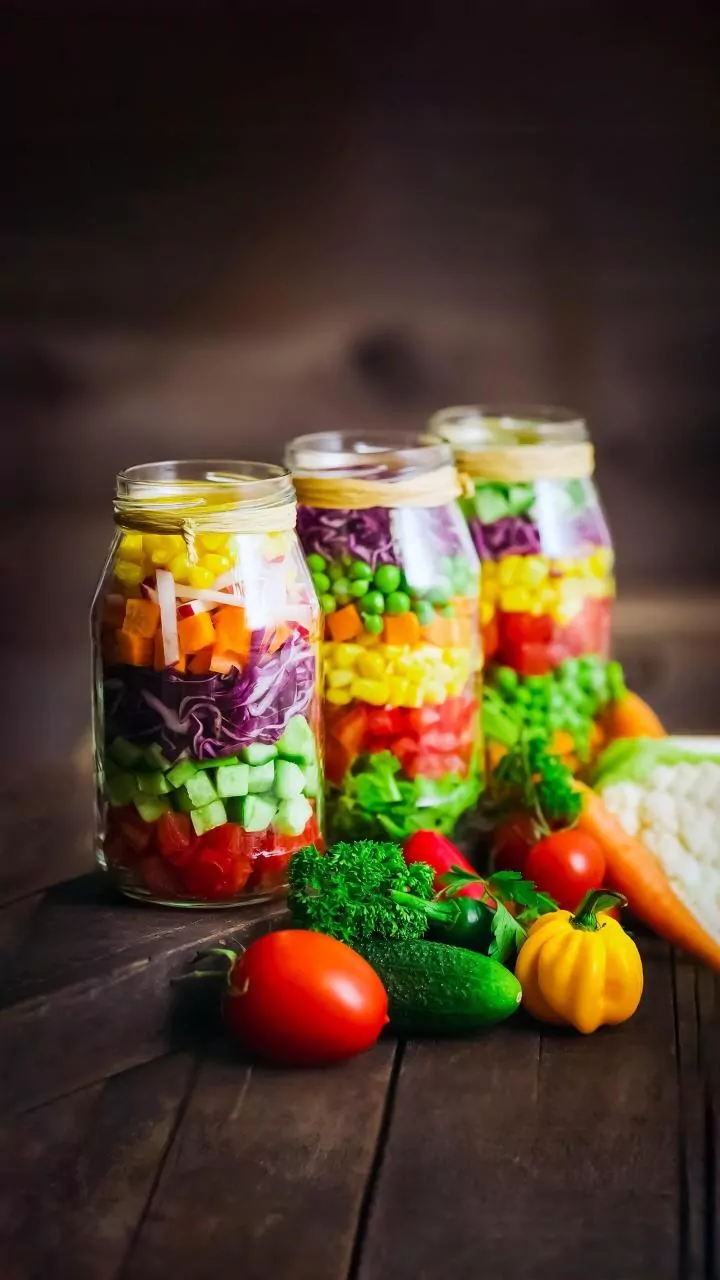
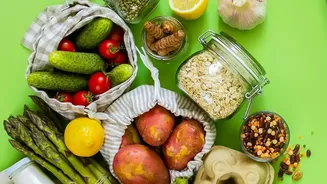
Another myth is that you need a constant supply of exotic vegetables. The opposite is true: affordability and flavour come from embracing what's local and seasonal. Potatoes, onions, tomatoes, cauliflower, spinach, and okra are staples of Indian cooking for a reason—they are widely available and versatile. Visiting your local sabzi market and buying what is in season will always be cheaper than purchasing imported or out-of-season produce from a supermarket. These vegetables can be transformed into countless dishes, from a simple aloo gobi to a more complex brinjal curry, ensuring your meals are both varied and economical.
Unlock Flavour with Spices, Not Costly Sauces
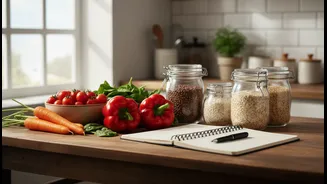
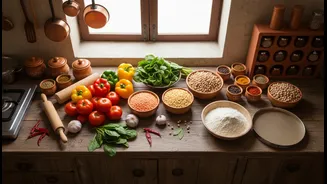
A well-stocked masala dabba is your greatest asset. The complex flavours of Indian food come from the masterful blending of spices like turmeric, cumin, coriander, and garam masala—not from expensive, pre-made sauces. Learning how to toast whole spices or create a simple tadka (tempering) can elevate the most basic ingredients, like lentils or potatoes, into a deeply satisfying meal. This approach allows you to control the ingredients, avoid hidden preservatives, and create restaurant-quality flavour at home without the high cost. Instead of buying a jar of sauce, you can create endless variations with the spices you already own.
Plan Your Meals and Repurpose Leftovers
One of the quickest ways to overspend is through impulse buys and food waste. A little planning goes a long way. Cooking a large batch of a base component, like boiled chickpeas or a simple dal, can set you up for several meals. For example, boiled chickpeas can be used for chana masala one night, a salad for lunch the next day, and blended into hummus for snacks. Similarly, a leftover vegetable sabzi can be stuffed into a paratha for a quick and delicious breakfast. This strategy of cooking once and eating twice (or thrice) not only saves time but also ensures that every ingredient you buy is used to its full potential, minimizing waste and stretching your budget further.