
The High Caucasus and its Ancient Villages
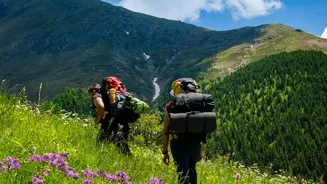
The Greater Caucasus mountains in northern Azerbaijan are the country's trekking heartland, offering dramatic peaks, deep canyons, and access to some of Europe's most remote villages. The region around Guba and Gusar is a popular starting point for many
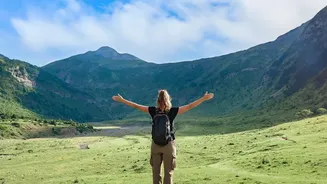
adventures. One of the most classic and rewarding hikes connects the ancient, high-altitude villages of Xinaliq and Laza. The trail between these settlements takes you through vast alpine meadows and offers spectacular panoramic views. Xinaliq, one of the highest villages in the Caucasus, has its own unique language and a history stretching back thousands of years. From here, trails branch out towards other historic villages like Griz and Galakhudat, following paths used by shepherds for centuries. These treks are not just about nature; they are a cultural immersion, often involving stays in local guesthouses where you can experience legendary Azerbaijani hospitality firsthand.
Shahdag National Park's Alpine Playground
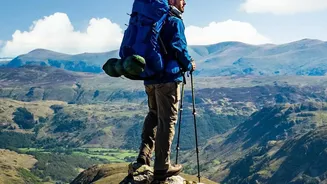
Covering a vast area of the Greater Caucasus, Shahdag National Park is Azerbaijan’s largest national park and a premier destination for serious hikers. The park's terrain ranges from lush forests to high-altitude alpine zones, providing routes for various skill levels. Trails here can lead you across open plateaus, past glacial lakes, and up towards the country's highest peaks, such as Bazarduzu. While the park is also home to a modern ski resort, the backcountry offers a raw, wild experience. Hikers might spot wildlife like the East Caucasian tur, roe deer, or even brown bears. For those seeking a challenge, the multi-day trek to the Shahdag summit is a demanding but spectacular journey that showcases the sheer scale and beauty of the Caucasus.
The Lush Forests of the South
In stark contrast to the rugged north, the Talysh Mountains in southern Azerbaijan offer a completely different hiking experience. This region, bordering Iran, is known for its humid, subtropical climate and the ancient Hirkan National Park, a UNESCO World Heritage site. The forests here are dense and verdant, filled with relict tree species that have survived since the Tertiary period. Hiking trails wind through misty forests, past waterfalls, and alongside bubbling streams. Routes connect remote Talysh villages where life moves at a slower pace and the main occupations are beekeeping and farming. A trek in this part of Azerbaijan is a journey into a unique ecosystem, perfect for hiking during the spring and autumn when the weather is cooler and the landscape is vibrantly green.
Lakes and Legends of the West
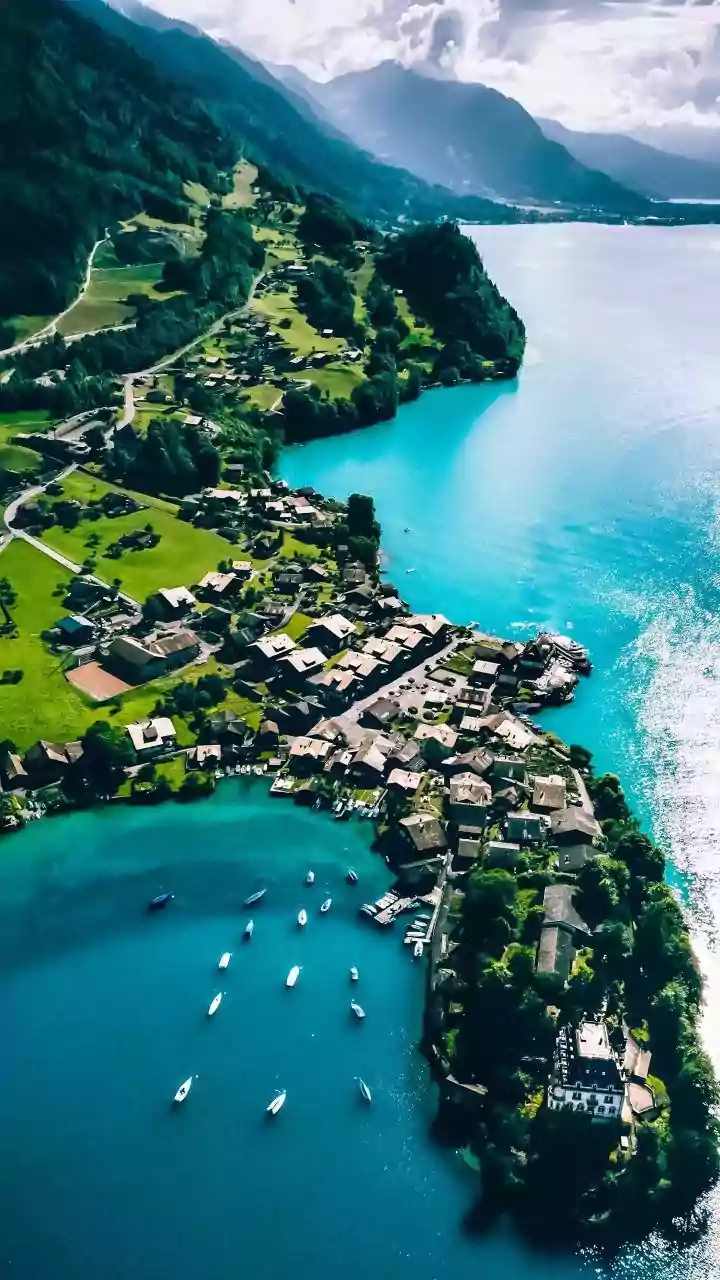
In western Azerbaijan, the Lesser Caucasus mountains are home to Göygöl National Park, famed for its stunning mountain lakes. The park's centerpiece is Lake Göygöl itself, a crystal-clear lake formed by an earthquake in the 12th century. Well-marked trails lead visitors around Göygöl and to the smaller, equally beautiful Lake Maralgöl. The hikes here are generally less strenuous than those in the high Caucasus, passing through dense forests of pine, oak, and beech trees. This area offers a serene escape, perfect for day trips and family-friendly walks focused on enjoying the peaceful atmosphere and picturesque scenery. For more experienced hikers, trails continue from Maralgöl deeper into the mountains toward Mount Kapaz.
Planning Your Azerbaijani Hike
The main hiking season in the Greater Caucasus runs from May to September, when the high passes are free of snow. In contrast, the lower-altitude Talysh Mountains are ideal in the spring and autumn. While some popular trails in national parks are marked, many remote routes are not, and hiring a local guide is highly recommended for safety and cultural insight. Organizations like the Transcaucasian Trail are actively developing and mapping new long-distance routes across the country, making it more accessible for self-guided hikers. Whether you choose a guided multi-day trek between ancient villages or a simple day hike to a mountain lake, packing layers, sturdy boots, and plenty of water is essential, as the weather in the mountains can change rapidly.