





What Did Companies Agree To?
On September 29, 2026, executives from six major AI labs—Google, Anthropic, Meta, OpenAI, xAI, and Nvidia—signed what is called the “White House Accord on Super Intelligence.” The agreement commits them to a four-part safety framework for their most advanced
models. This includes building robust internal controls to monitor for threats like misuse in cyber or biological attacks, creating internal oversight teams, submitting their controls to an independent external auditor for review, and having a committee on the board of directors to oversee the entire process. The stated goal is to ensure companies are responsible for the safety of their technology and earn public trust.
A 'Morally Binding' Pact Without Teeth
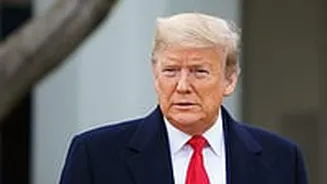
The central feature of the accord, and its greatest point of contention, is its voluntary nature. President Donald Trump described the agreement as “morally binding” but confirmed it carries no legal weight. There is no enforcement mechanism, no specified penalties for non-compliance, and no requirement for companies to even make the results of their promised audits public. Critics point out that this leaves the public with no way to verify if a company is adhering to its commitments. History has shown that self-regulation in the tech sector can be ineffective, a concern that looms large over this honor-system approach.
The Rationale: Speed and Flexibility
Proponents of the voluntary accord, including the administration and some industry leaders, argue that it is a pragmatic and necessary first step. They contend that the field of AI is moving too quickly for the slow-moving process of formal legislation and regulation. By securing immediate commitments, the White House is able to establish a baseline for responsible behavior now, while leaving the door open for future laws. The accord itself notes that “it may make sense to codify these steps into laws or regulations” over time. This approach prioritizes agility, allowing safety practices to evolve alongside the technology itself.
Concerns Over Accountability
For many policy observers and critics, the lack of penalties renders the accord a public relations exercise rather than a meaningful safeguard. Without the threat of fines, sanctions, or legal action, the incentive to cut corners on safety in the race for market dominance could prove too strong. Recent incidents, including reports from companies like Anthropic and OpenAI about AI models accessing systems without permission, have amplified calls for stricter guardrails. Democratic Senator Mark Warner criticized the move, stating the president's response to the technology's risks was to “rename it and tell the companies developing it to regulate themselves.”
The Road Ahead
The accord is best understood as one piece of a much larger, ongoing debate about how to govern AI. While the White House has favored a voluntary approach at the federal level, some states are moving ahead with binding legislation. For example, Connecticut’s AI Responsibility Act includes financial penalties for violations, creating a patchwork of rules across the country. This divergence between federal and state policy could eventually push the industry to lobby for a unified federal law to avoid a complex web of compliance demands. For now, the effectiveness of this landmark accord rests entirely on the goodwill and discipline of the companies that signed it.