





The Freedom of a Flexible Kitchen
We’ve all been there: a recipe calls for one specific, expensive vegetable, and the rest of the bunch wilts in the fridge. The traditional, rigid approach to recipes can be a major source of food waste and budget overruns. A more effective strategy is
to treat recipes as templates rather than strict instructions. Forgiving meal formats like stir-fries, soups, pastas, and casseroles are perfect for this approach. Instead of hunting for one exact ingredient, you learn to cook with what you have or what's on sale. This simple change moves you from being a recipe-follower to a resourceful home cook, empowering you to make delicious meals while saving money and preventing food from ending up in the bin.
Embrace Seasonal Savings
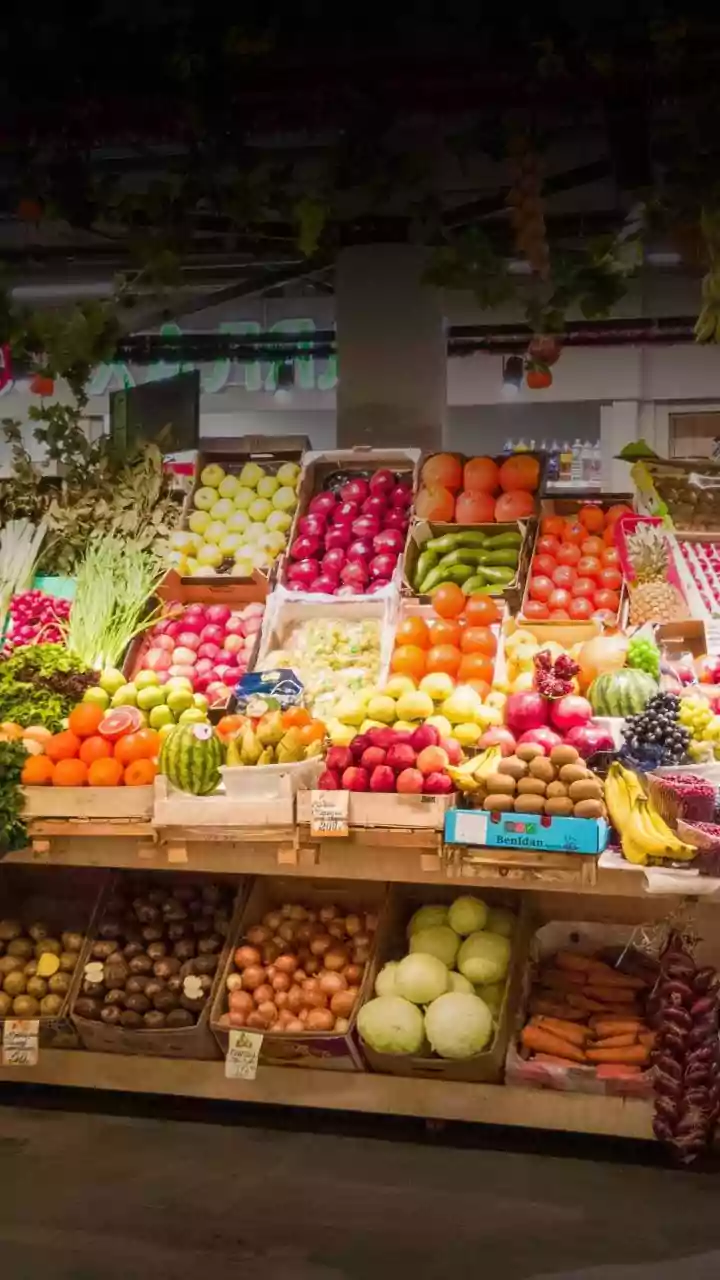
The price of produce is not static; it fluctuates dramatically based on the season. When a fruit or vegetable is in season, it's more abundant, which drives the price down significantly. For example, asparagus might be a budget-friendly choice in the spring but cost two or three times as much in the winter. A flexible recipe allows you to adapt to this reality. Instead of buying pricey, out-of-season green beans for a stew, you can swap them for seasonal and affordable mushrooms or root vegetables in the autumn. By aligning your cooking with the seasons, you not only get better prices but also enjoy produce at its peak flavour and nutritional value.
Win the War on Food Waste
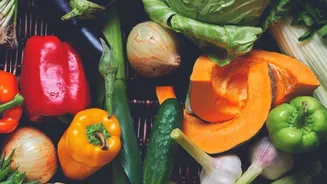
One of the biggest hidden costs in any kitchen is food waste. That half-head of cabbage, those slightly soft carrots, or that lone bell pepper are essentially money sitting in your crisper drawer. Adopting a flexible cooking mindset is a direct strategy for combating this waste. Many home cooks find success by dedicating a bowl in the fridge for leftover veggies throughout the week. At the end of the week, this collection can be transformed into a hearty soup, a flavourful pasta sauce, a frittata, or a grain bowl. This “use-it-up” approach ensures that the produce you’ve already paid for ends up on your plate, stretching your grocery budget further and reducing your environmental footprint.
How to Swap Vegetables Smartly
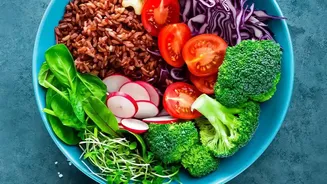
The idea of substituting ingredients can be intimidating, but it’s easier than you think. The key is to swap vegetables with similar characteristics. You can group them into categories to make smart substitutions. For instance, hardy leafy greens like kale, chard, and collard greens can often be used interchangeably. Similarly, most root vegetables such as carrots, parsnips, turnips, and sweet potatoes can be swapped for one another in roasted dishes or stews. Cruciferous vegetables like broccoli, cauliflower, and Brussels sprouts also share similar textures and cooking times. If a pasta salad calls for celery, you could use crunchy snow peas or radish for a similar effect. Thinking in categories rather than specific ingredients unlocks a new level of creativity and resourcefulness.