



More Than Just Stacking Rocks
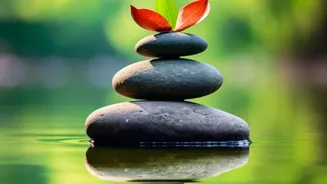
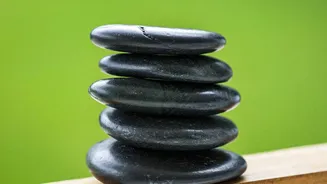
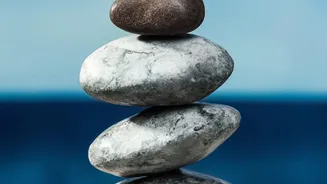
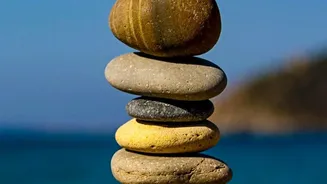
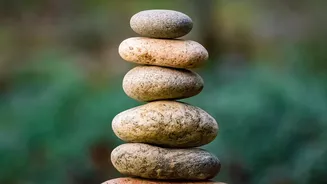
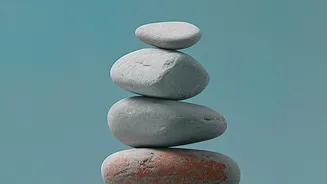
Stone balancing is an ancient art form that has become a modern meditative practice. It requires intense concentration, patience, and a delicate touch. The goal is to find the natural balancing points of two or more stones, creating sculptures that can
seem magical. Practitioners describe it as a way to quiet the mind, reduce stress, and become fully present in the moment. While the spiritual and mental benefits are significant, the physical act itself is a masterclass in coordination, engaging a complex system of nerves and muscles that allows for incredibly precise movements. It is this system that governs our fine motor control.
Defining Fine Motor Control
Fine motor control is the coordination of small muscles in the hands, fingers, and wrists to produce small, exact movements. Think of buttoning a shirt, tying your shoelaces, writing with a pencil, or typing on a keyboard—these are all daily tasks that rely on fine motor skills. It’s about the dexterity and precision needed to manipulate small objects with control. This is the opposite of gross motor skills, which involve large muscle groups for movements like running, jumping, or waving your arm. When you balance a stone, your fingers make minuscule adjustments, applying just the right amount of pressure. This requires a sophisticated dialogue between your brain, nerves, and the tiny muscles in your hands.
The Brain-Body Connection
To successfully balance a stone, your body relies on a hidden sense called proprioception. This is your internal awareness of your body's position in space, and it’s crucial for every move you make. Receptors in your muscles and joints send constant feedback to your brain about force, position, and movement. Your brain then integrates this information with what you see and feel to execute a coordinated action. In stone balancing, your eyes see the angle of the rock, your fingers feel its texture and weight, and your proprioceptive system senses the subtle shifts in your hand and arm position. This rapid, continuous feedback loop allows you to make the micro-adjustments needed to find and hold the balance point, enhancing both hand-eye coordination and your overall sense of body awareness.
Strengthening Skills Beyond the Riverbank
The beauty of an activity like stone balancing is that its benefits extend far beyond the act itself. Developing fine motor skills is not just for children learning to write; it’s a lifelong process. These skills are essential for maintaining independence as we age, enabling us to perform daily activities from cooking to personal hygiene. Any activity that requires precise hand and finger movements serves as excellent practice. This can include playing a musical instrument, knitting, drawing, building with blocks, or even playing certain video games. These engaging and often relaxing hobbies help maintain the neural pathways and muscle control necessary for dexterity. Just as gross motor activities like walking on uneven ground build foundational stability, focused fine motor tasks sharpen the control needed for detailed work.