


A Tale of Two Blooms
If you've heard that the great Neelakurinji bloom isn’t due until 2030, you're not wrong, but you're not entirely right either. The latest updates from Munnar have caused some confusion, so let's clear it up. The Western Ghats are home to different populations
of Neelakurinji (Strobilanthes kunthiana), and they don't all follow the same 12-year clock. The most famous bloom, which occurs in Eravikulam National Park, last happened in 2018 and is indeed expected next in 2030. However, the spectacle unfolding right now in 2026 belongs to a different population with its own unique cycle. This group of flowers, primarily around the Chokramudi and Mattupetty areas, last bloomed in 2014, making 2026 their scheduled year to shine. So, this isn't an early arrival; it's a completely separate, equally magical event.
The Science of a 12-Year Wait
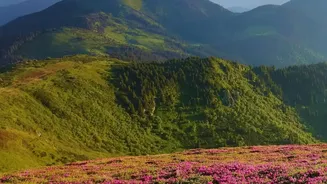
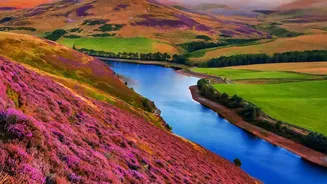
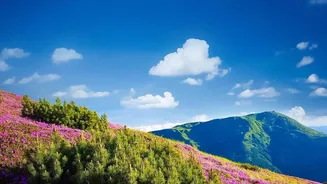
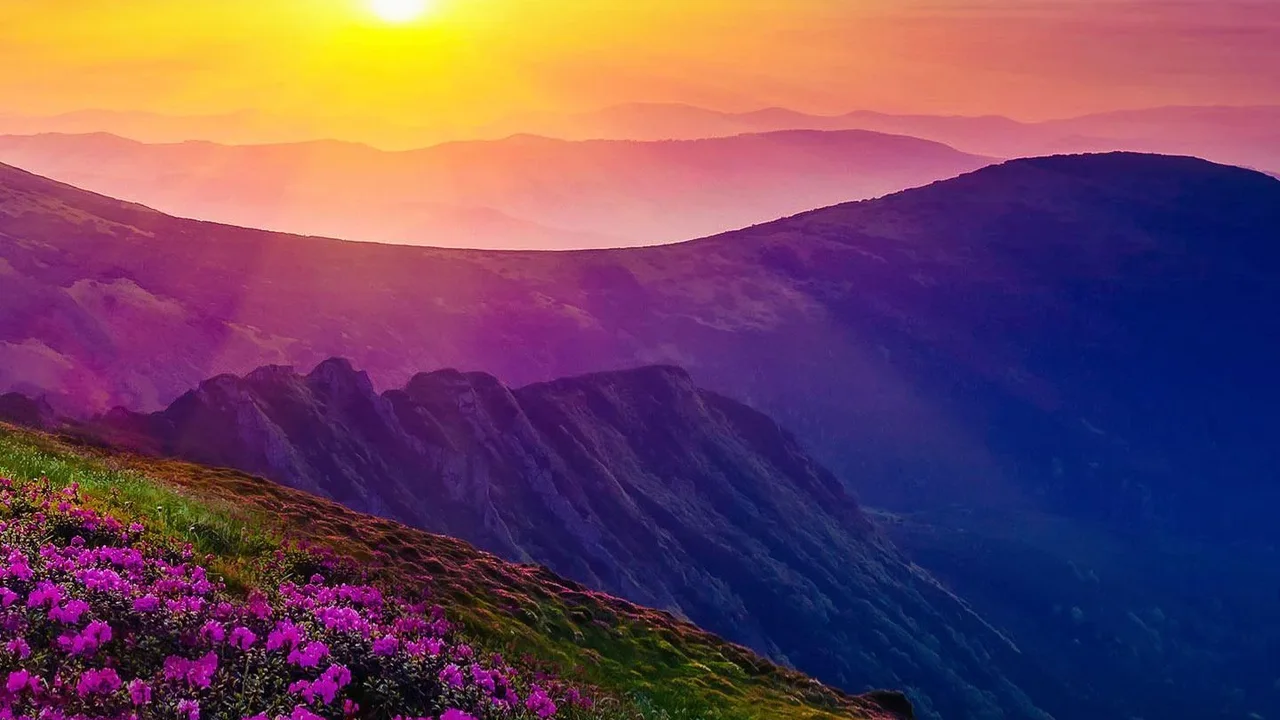
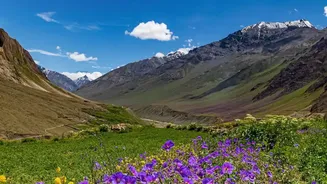
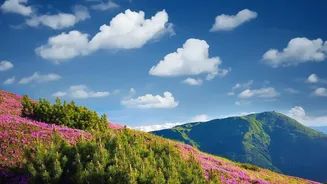
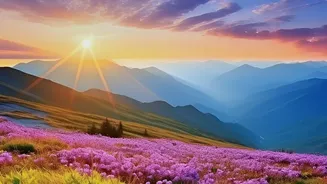
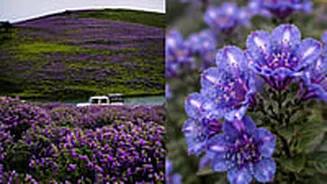
What makes this flower so special? The Neelakurinji shrub practises a rare survival strategy known as mass synchronised flowering. Each plant blooms only once in its 12-year lifespan, releases its seeds, and then dies. This process, called semelparity, ensures that the next generation of seeds germinates together, patiently growing for another dozen years before repeating the cycle. This incredible natural timing is what creates the breathtaking spectacle of entire hillsides turning a uniform shade of purple-blue. Endemic to the high-altitude shola grasslands of the Western Ghats, the flower is so integral to the region's identity that it is believed the Nilgiri Hills, or 'Blue Mountains', were named for these iconic blooms.
Where to See the Blue Hills in 2026
For those planning a trip, it's crucial to head to the right spots. Don't set your GPS for Eravikulam National Park this time. The 2026 bloom is primarily concentrated around two key areas: the Chokramudi Hills and the slopes around the Mattupetty-Korandakkad region. In fact, recognising the tourist interest, a dedicated Kurinji Garden at Chokramudi was officially opened to visitors on August 24, 2026. These areas offer stunning panoramic views of the flowering grasslands. Forest officials expect the bloom, which started in August, to spread further across higher slopes as September and October progress, making this the peak window for visitors.
A Visitor’s Guide for the Bloom Season
The best time to witness the full glory of the Neelakurinji is between September and October 2026, when the flowering is expected to be at its peak. Munnar is well-connected by road, with the nearest major railway station at Aluva and the closest airport in Cochin, both roughly 110-120 km away. Once in Munnar, you can hire local transport to reach the designated viewing areas. Since this is a major natural event, expect a significant number of visitors. It's wise to book accommodation well in advance. Remember to pack light woollens, as the hill station weather can be chilly, and comfortable shoes are a must for walking along the trails. A good camera is essential, but the memory of the blue hills will be the best souvenir you take home.
Bloom with a Conscience: How to Visit Responsibly
The Neelakurinji bloom is as fragile as it is beautiful. The ecosystem of the shola grasslands is delicate, and conservation is paramount to ensuring these blooms continue for generations to come. Authorities have issued clear guidelines for tourists. The most important rule is to admire the flowers from a distance—do not touch, pluck, or trample them. Stick to the designated trails and viewing points. These areas are strict no-plastic zones, so be sure to carry any waste back with you. By visiting responsibly, you play a vital role in protecting this natural wonder, ensuring that the hills can turn blue again in another 12 years.