



When booking a train ticket, you've likely seen the small checkbox to add travel insurance for a nominal fee. But what does that tiny cost actually get you, and how does it differ from the main ticket fare? Let's break it down.
Your Ticket Fare: The Right to Travel
First and foremost, the
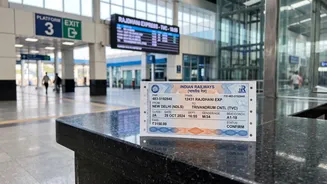
ticket fare is the price you pay for the service of transportation. It grants you the right to occupy a seat or berth on a specific train, from a starting point to a destination, in your chosen class of travel. This cost covers the operational expenses of running the train service—including fuel, staff salaries, track maintenance, and station upkeep. Essentially, the fare guarantees your journey from point A to point B under the conditions specified at booking. It does not, however, include any form of personal insurance against accidents or unforeseen incidents that might occur during that journey. If your ticket is confirmed or under the Reservation Against Cancellation (RAC) status, your travel is secured, but your personal financial risk is not.
The 45-Paise Premium: A Financial Safety Net
The 45-paise premium is for an optional travel insurance policy offered to passengers of Indian Railways. This facility, which was once limited to online bookings via the IRCTC portal, has been extended to tickets bought at physical reservation counters as of late October 2026. This tiny, optional payment buys you a significant financial safety net specifically for the duration of your train journey. It is a contract between you and an insurance company, not the railways itself. The scheme is available to all Indian citizens with a confirmed, RAC, or partially confirmed ticket, and if you opt-in, it applies to every passenger on that PNR. However, children under five are generally not covered.
What Does the Insurance Actually Cover?
For less than half a rupee, the coverage provided is substantial and designed to mitigate the financial impact of a train accident or other 'untoward incidents' as defined under the Railways Act. These incidents can include everything from derailments and collisions to accidental falls from the train. The policy provides compensation up to a certain limit for several categories:
- Death: Up to ₹10 lakh is provided to the nominee in the event of a passenger's death resulting from an incident during the journey.
- Permanent Total Disability: If an injury leads to permanent total disability, the passenger is eligible for compensation up to ₹10 lakh.
- Permanent Partial Disability: For injuries resulting in permanent partial disability, coverage is provided up to ₹7.5 lakh.
- Hospitalisation Expenses: The policy covers medical expenses for injuries sustained, up to ₹2 lakh.
- Transportation of Mortal Remains: In the unfortunate event of a passenger's death, the policy provides ₹10,000 for transporting the mortal remains.
The Fine Print: Exclusions and Claim Process
It's crucial to understand that this insurance has specific exclusions. The policy does not cover incidents arising from intentional self-injury, suicide attempts, intoxication, or accidents that occur while breaching the law with criminal intent. Natural death or medical issues not directly caused by a train accident are also not covered. A critical step after opting for the insurance is to fill out the nominee details through the link sent by the insurance company via SMS or email. Failing to do so can create significant legal hurdles for your family if a claim needs to be filed, as they would have to produce a succession certificate. To file a claim, the passenger or their legal heir must contact the insurance company directly—not IRCTC or the railway authorities—within four months of the incident. This typically requires submitting documents like the claim form, railway authority's accident report, ticket details, and medical records.
Why Digital Payment Is Now Key
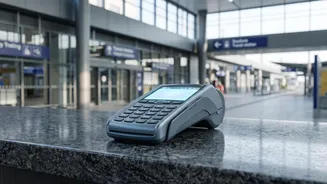
With the extension of this facility to physical ticket counters, a new rule has come into effect : if you opt for the 45 - paise insurance , the entire transaction (ticket fare plus premium) must be paid digitally . Cash payments are not accepted for bookings that include insurance . The reasoning is practical — since coins below 50 paise are no longer legal tender , collecting the exact 45 - paise premium in cash is impossible . Therefore , passengers at counters must use UPI , debit / credit cards , or other digital methods to avail the insurance . This move aligns counter bookings with the already digital - first process of online reservations .