
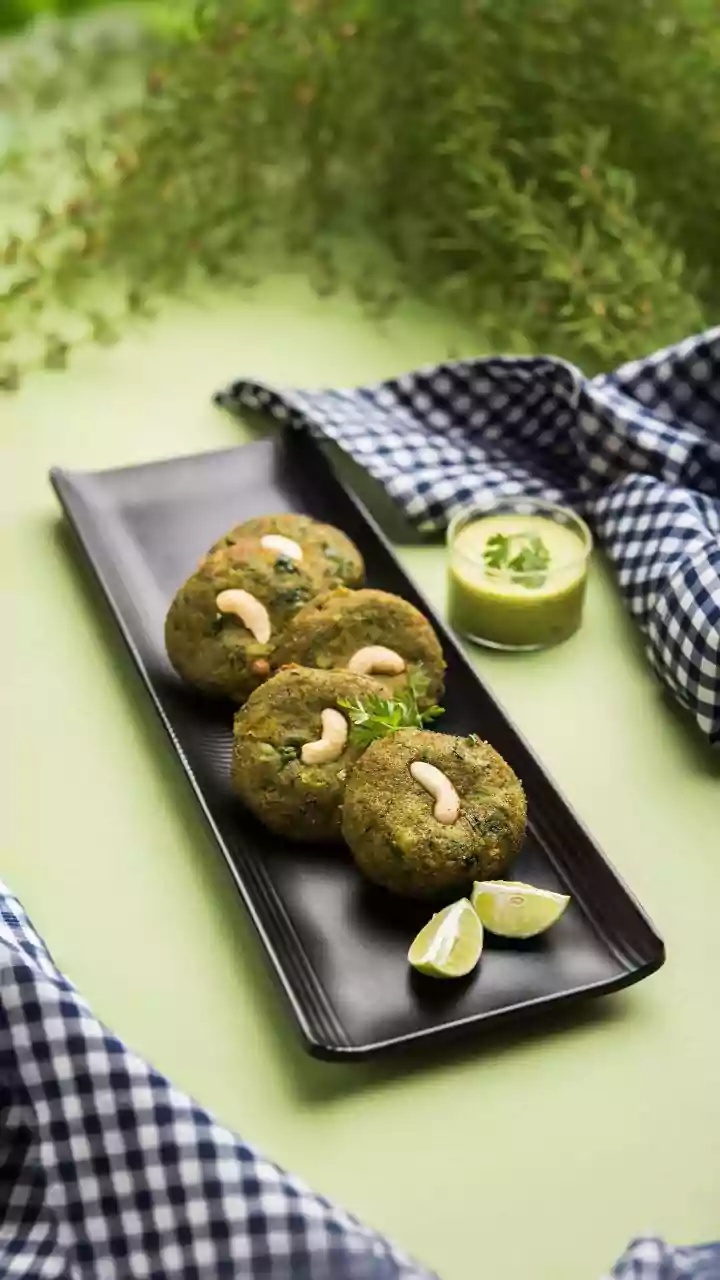

The Allure of the Dahi Kebab
Originating from the rich culinary traditions of North India, particularly Awadhi cuisine, dahi kebabs are a popular appetiser known for their luxurious texture. The name itself, translating to "yogurt patties," hints at its unique composition. Unlike
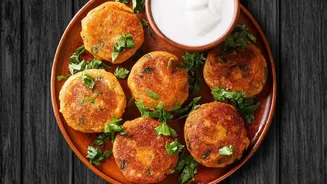
meat or vegetable-based kebabs, these are built around hung curd, giving them a distinctive, creamy, and slightly tangy core that contrasts beautifully with a golden, fried exterior. Traditionally, this hung curd is mixed with binders like roasted gram flour (besan) or breadcrumbs, along with aromatics like ginger, green chillies, and fresh coriander. Often enriched with paneer or chopped nuts, they are a celebratory snack, perfect for parties and special occasions.
The Home Cook's Common Hurdles
For all their deliciousness, dahi kebabs have a reputation for being notoriously tricky to master in a home kitchen. The primary challenge lies with the main ingredient: the hung curd. If it’s not drained of its whey properly, the kebab mixture becomes too wet and sticky, making it impossible to shape. This often leads to the patties falling apart or disintegrating in the hot oil. Another common issue is flavour imbalance. The curd must be fresh; even slightly sour yogurt can ruin the entire batch, making the kebabs unpleasantly tart. Finally, adding a host of strong spices directly into the mix can sometimes overpower the delicate flavour of the yogurt, which is meant to be the star.
The Secret: A Separate, Gentle Filling
The solution that makes these kebabs truly crowd-friendly is a subtle but significant change in construction. Instead of mixing all spices and flavourings into the entire batch of hung curd, the modern approach involves creating two components: a firm outer shell and a distinct, mildly spiced yoghurt centre. The outer layer is made from the thickest part of the hung curd, combined with binders like paneer and roasted gram flour for structural integrity. The centre, however, is a small pocket of creamier, less-dense hung curd mixed with very subtle flavourings—perhaps some chopped nuts for texture, a hint of cumin, or finely minced herbs. Some chefs even create a sweet and savoury filling with cashews and raisins. This method is similar to stuffed kebab variations that use paneer or dry fruits for a surprise core.
Why This Makes Them Crowd-Friendly
This technique addresses the classic dahi kebab challenges head-on. Structurally, creating a firm outer casing makes the kebabs far more stable and easier to handle, significantly reducing the risk of them breaking during frying. This alone is a massive win for anyone cooking for a crowd, as it allows for more consistent results and the ability to prepare the kebabs in advance. Flavour-wise, the milder centre ensures the kebabs are not overwhelmingly spicy or tangy, making them instantly appealing to a wider range of palates, including children and guests who prefer less intense flavours. It creates a more sophisticated eating experience, with the initial crispness giving way to a firm yet creamy shell, and finally, a soft, delicately flavoured core. This layered texture and taste elevate the humble kebab into something more memorable and refined.
Tips for Perfect Preparation
To achieve perfect dahi kebabs every time, start with the curd. Use fresh, full-fat yogurt and hang it in a muslin cloth for at least 8-12 hours—or even overnight in the refrigerator—to drain every drop of whey. The resulting hung curd should be thick, almost like a soft cheese. When binding the outer shell, use roasted gram flour (besan) to avoid a raw taste, and consider adding grated paneer, which helps absorb any remaining moisture and adds softness. For the coating, breadcrumbs provide a reliable crunch, but crushed cornflakes can offer an even crispier finish. Lastly, be patient with your frying. Use a medium flame; oil that is too hot will brown the outside before the inside is warmed through, while oil that is too cool will result in greasy kebabs. Chill the shaped patties for at least 30 minutes before frying to help them firm up and hold their shape beautifully.