






The Science of Water Attraction
At its core, the issue is simple chemistry. Ethanol, the key additive in E20 fuel, is hygroscopic—it naturally absorbs moisture from the surrounding air. Think of it like a sponge in a humid room. This property isn’t new, but its implications are becoming
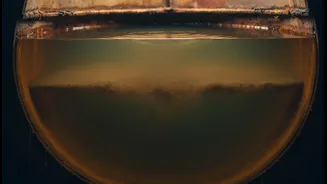
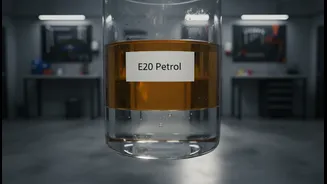
more pronounced as E20 becomes the only petrol available at many pumps. The concern, raised by some consumers and petrol pump owners, is what happens when this absorbed water accumulates. Especially during monsoons or in coastal areas, the amount of moisture in the air and potentially in fuel storage tanks increases. If water content in a storage tank exceeds a certain threshold (around 0.5%), the ethanol can bond with the water, creating a separate layer at the bottom of the tank. This process is known as phase separation.
From Storage Tank to Engine Trouble
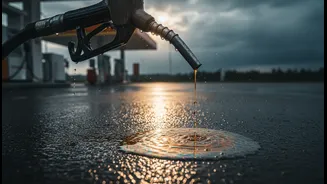
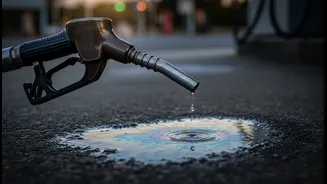
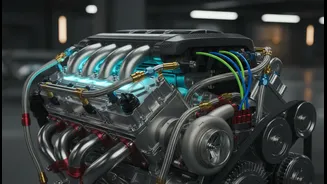
The real trouble begins when this water-ethanol mixture, which is denser than petrol, gets dispensed into a vehicle. Because fuel pumps draw from the bottom of the tank, a car could inadvertently be filled with this corrosive cocktail instead of stable E20 fuel. The results can range from a jerky ride and difficulty starting to engine misfires and, in worst-case scenarios, stalling or significant damage. Beyond the immediate risk of contaminated fuel, ethanol's hygroscopic nature raises long-term concerns about corrosion. Over time, the presence of water can accelerate the wear and tear on fuel system components like the fuel tank, lines, gaskets, and injectors, particularly in older vehicles not specifically designed for high-ethanol blends. Many vehicles sold before 2023 were primarily designed for E10 (10% ethanol) or even E5 fuel, sparking worries about their long-term resilience to E20.
The Broader Debate on Fuel Quality
This chemical characteristic has ignited a larger debate about fuel quality and responsibility. Some petrol dealers have expressed concern that their existing underground storage tanks, designed for conventional petrol, may not be fully equipped to handle E20's affinity for water. They report having to check for water contamination more frequently, especially during wet weather. In response, government bodies and automotive associations have emphasized that E20 fuel sold in India meets stringent quality specifications set by the Bureau of Indian Standards (BIS). The Federation of Automobile Dealers Associations (FADA) has called claims of unique water contamination misleading, noting that ethanol's hygroscopic property is a known factor that is accounted for in modern fuel standards and vehicle design. The government maintains that no widespread engine failures have been reported and that newer vehicles are built with E20-compatible materials.
What Vehicle Owners Can Do
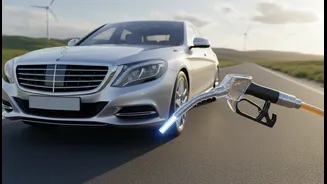
For the average driver, this conversation highlights the need for increased awareness. While modern cars, especially those manufactured after April 2023, are generally E20 compatible, owners of older vehicles are expressing more concern. Many report a noticeable drop in mileage—a known side effect, since ethanol contains less energy than petrol—and sluggish performance. Experts suggest that regular maintenance is key. This includes more frequent checks of the fuel filter and injectors to prevent clogging. Some also recommend using fuel additives specifically designed to stabilise ethanol blends and inhibit corrosion. Perhaps most importantly, vehicle owners are advised to fill up at trusted, well-maintained fuel stations, as the quality of storage infrastructure plays a significant role in preventing water contamination. For vehicles that are stored for long periods, keeping the fuel tank full can help reduce the air space where condensation can form.