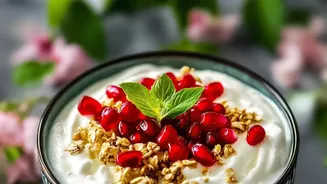








The Power of Amaranth
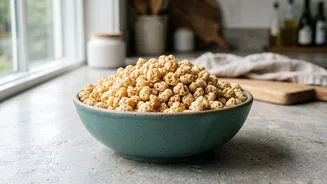
Amaranth is often called an ancient grain, but it is technically a pseudocereal — a seed with a grain-like nutritional profile and use. Originally a staple food for the Aztecs, it has gained modern popularity for its impressive health benefits. It is naturally
gluten-free, making it an excellent choice for individuals with celiac disease or gluten sensitivity. More importantly, it is a complete protein, containing all nine essential amino acids. One cup of cooked amaranth provides over nine grams of protein. It is also rich in essential minerals like manganese, magnesium, phosphorus, and iron, which are vital for brain function, bone health, and energy production. The high fibre content in amaranth aids digestion and can help you feel full and satisfied longer, supporting healthy weight management.
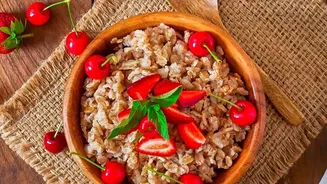
The Foundational Recipe: Amaranth & Date Porridge
This basic recipe serves one and is designed to be easily scaled. The key is the liquid-to-grain ratio. For a creamy porridge consistency, the most common ratio is 3 parts liquid to 1 part amaranth. Some prefer a slightly thicker or thinner consistency, which can be achieved by adjusting the liquid.Ingredients:- 1/2 cup whole amaranth seeds- 1 1/2 cups liquid (water, milk, or a plant-based milk like almond or coconut)- 2-3 soft, pitted dates, finely chopped- A pinch of saltInstructions:1. Rinse the amaranth in a fine-mesh sieve under cool water until the water runs clear. This removes any potential bitterness.2. Combine the rinsed amaranth, liquid, chopped dates, and salt in a small saucepan.3. Bring the mixture to a boil over medium heat, then immediately reduce the heat to low, cover, and let it simmer gently.4. Cook for 20-25 minutes, stirring occasionally to prevent it from sticking to the bottom of the pan. The porridge is ready when it's thick, creamy, and the seeds are tender.5. Remove from heat and let it sit, still covered, for a few minutes to thicken further before serving.
Mastering the Serving Size
The beauty of this recipe is its simplicity in scaling. Whether you are cooking for yourself or the whole family, adjusting the quantities is straightforward. Just maintain the 1:3 ratio of amaranth to liquid and multiply the other ingredients accordingly.Here’s a simple guide:- For 1 Serving: 1/2 cup amaranth, 1 1/2 cups liquid, 2-3 dates- For 2 Servings: 1 cup amaranth, 3 cups liquid, 4-6 dates- For 4 Servings: 2 cups amaranth, 6 cups liquid, 8-12 datesIf you make a larger batch for meal prep, the porridge can be stored in an airtight container in the refrigerator for up to 4-5 days. To reheat, simply add a splash of milk or water to loosen the consistency as you warm it on the stovetop or in the microwave.
Breakfast Bowl Variations and Topping Ideas
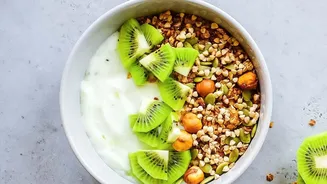
Once you have your base porridge, the fun begins. Customising your bowl with different flavours and textures elevates the experience. Here are a few ideas to get you started:1. Spiced Chai Bowl: While cooking the amaranth, add 1/4 teaspoon of ground cinnamon, a pinch of cardamom, and a pinch of ground ginger. Top the finished porridge with a dollop of yogurt, toasted pecans, and a drizzle of maple syrup.2. Tropical Paradise Bowl: Use coconut milk as your cooking liquid. Once cooked, top the bowl with fresh mango chunks, toasted coconut flakes, and a sprinkle of chia seeds for extra fibre and omega-3s.3. Nut Butter & Banana Bowl: A classic combination for a reason. Swirl a generous spoonful of almond or peanut butter into your warm porridge. Top with sliced bananas and a scattering of cacao nibs for a chocolatey crunch without added sugar.4. Apple Pie Bowl: Add finely diced apple and a sprinkle of cinnamon to the pot while the amaranth cooks. The apples will soften into the porridge, creating a comforting, pie-like flavour. Top with walnuts or granola for texture.