



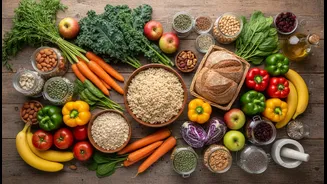


The 'Wellness Tax' on Your Grocery Bill
Walk into any modern supermarket, and you'll see it: a growing section of 'plant-based' products, from mock meats and vegan cheeses to fancy almond milk. These items are often marketed as wellness-focused, but they come with a premium price. Studies show
that processed plant-based alternatives can be significantly more expensive than their conventional counterparts. This isn't just a feeling; it's a calculated result of several factors. Brands invest heavily in research and development to mimic the taste and texture of meat and dairy, and these costs are passed on to you, the consumer. Furthermore, many of these products rely on specialty ingredients, smaller production scales, and more complex packaging, all of which add to the final cost.
Why Is This Stuff So Expensive?
The high cost isn't just about fancy ingredients. The 'vegan tax' is a perception that plant-based goods are intentionally marked up, but the reality is more complex. Animal agriculture often benefits from government subsidies that artificially lower the price of meat and dairy, a financial advantage that most plant-based companies don't receive. This means the price of a vegan burger might reflect its true production cost, while the price of conventional meat does not. Retailers also play a part, often adding higher markups for items they classify as 'specialty'. The combination of marketing, production realities, and economic policies creates a 'wellness premium' that can make a plant-rich diet seem inaccessible and expensive.
Return to Your Roots: The Original Plant-Rich Diet
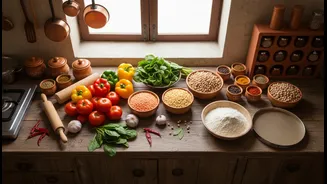
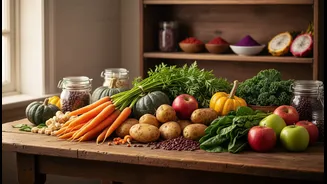
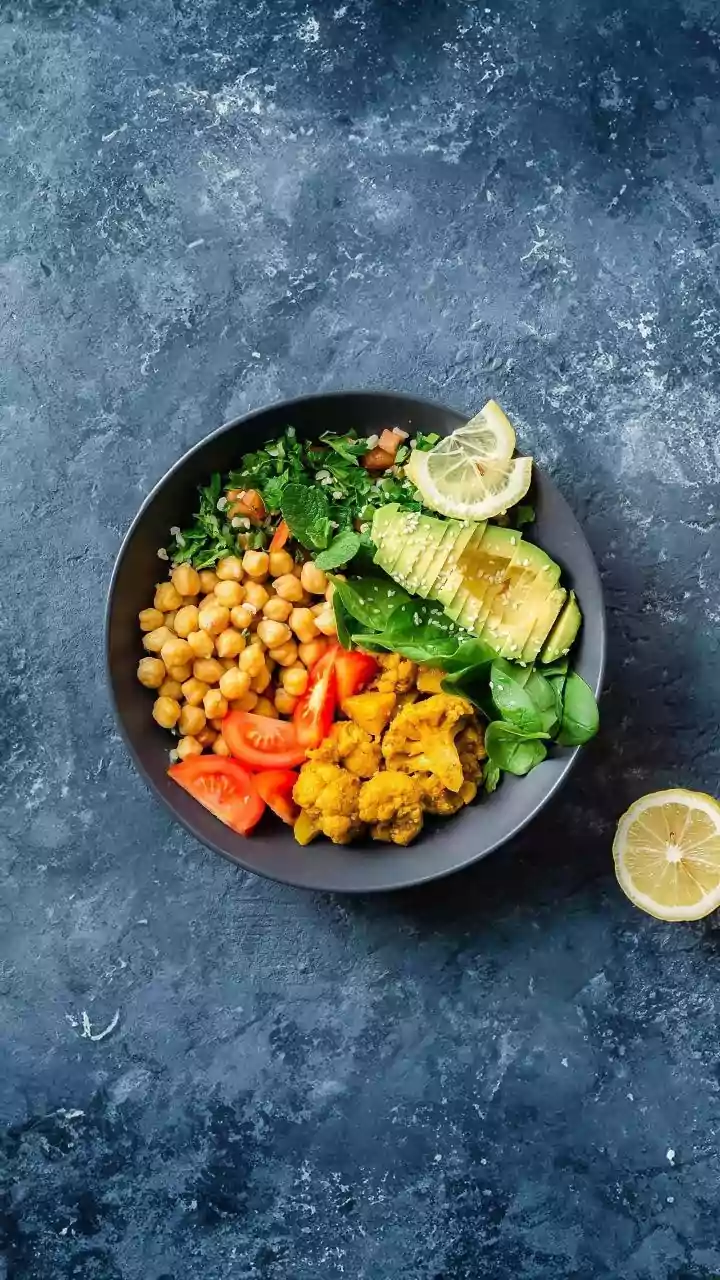
Here’s the good news: you don't need any of those expensive products to eat a healthy, plant-rich diet. In fact, the most affordable and sustainable way to do so is already embedded in traditional Indian cuisine. For generations, Indian kitchens have created nutritious, delicious, and entirely plant-based meals using simple, inexpensive ingredients. Meals built around dal, chana, rajma, rice, rotis, and a variety of seasonal sabzis are the very definition of plant-rich eating. These staples are not only cheap and widely available but also form the basis of a balanced diet. By shifting your focus from new-age 'wellness' products to time-tested pantry essentials, you sidestep the premium pricing entirely.
Shop Smarter, Not Harder
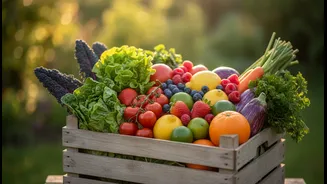
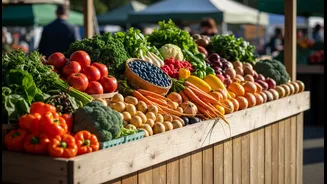
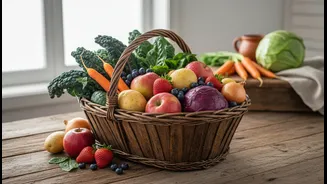
Embracing an affordable plant-rich diet is about changing where and how you shop. Prioritise your local vegetable mandi or sabziwala over gourmet grocery stores. Seasonal produce is almost always cheaper, fresher, and more flavourful. When it comes to staples, think in bulk. Buying larger quantities of rice, whole grains, lentils, and beans is one of the most effective ways to lower your food costs over time. This approach not only saves money but also encourages you to cook from scratch, giving you complete control over your ingredients and saving you from the hidden costs and additives in processed foods. The core idea is to build your meals around these affordable whole foods, treating pricier packaged items as occasional conveniences rather than daily necessities.
Ditch the Superfood Hype
The wellness industry thrives on trends, often promoting exotic 'superfoods' like quinoa, kale, and chia seeds at inflated prices. But you don't need imported ingredients to get a nutritional boost. Indian cuisine is filled with its own roster of incredibly nutritious and far more affordable local superfoods. Think about moringa (drumstick leaves), amla (Indian gooseberry), turmeric, millets, and a vast array of local greens. These are nutritional powerhouses that have been part of our diet for centuries. By focusing on local and seasonal options, you not only support local farmers and reduce your carbon footprint but also get more nutritional value for your money. Don't pay a premium for marketing hype when the real deal is already in your backyard.