

An Escape from the Crowds
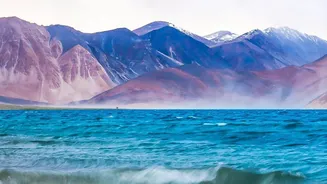
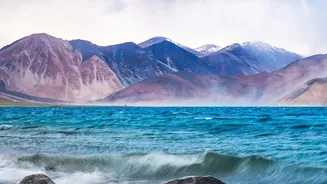
For many Indian travellers, Ladakh is synonymous with the vibrant blue of Pangong Lake, a scene immortalised in cinema. This fame, however, has brought bustling crowds and a commercialised atmosphere. Tso Moriri, by contrast, remains a sanctuary of calm.
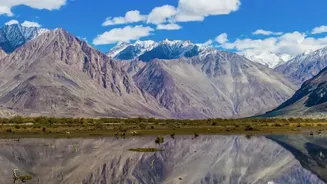
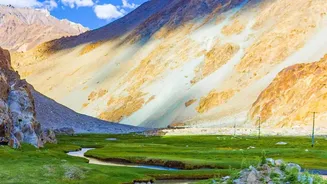
Located in the more remote Changthang plateau, it attracts fewer visitors, ensuring that the dominant sounds are the lapping of water and the call of birds, not the chatter of tourist groups. This isolation is its primary charm. Being entirely within India, the lake area has a more settled, peaceful feel compared to the sensitive border location of Pangong. The experience here is less about ticking a box and more about immersing oneself in a vast, silent landscape.
A Protected Natural Wonder
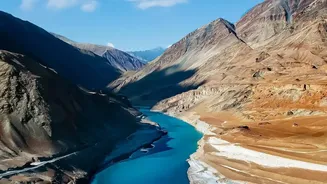
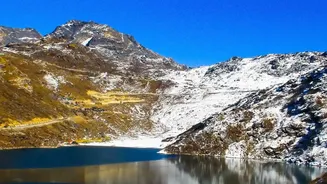
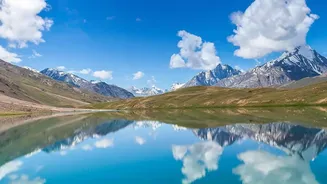
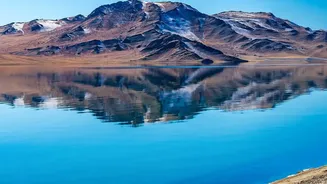
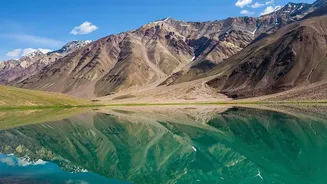
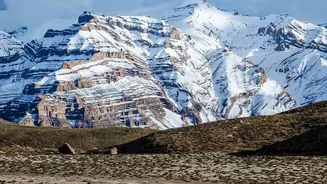
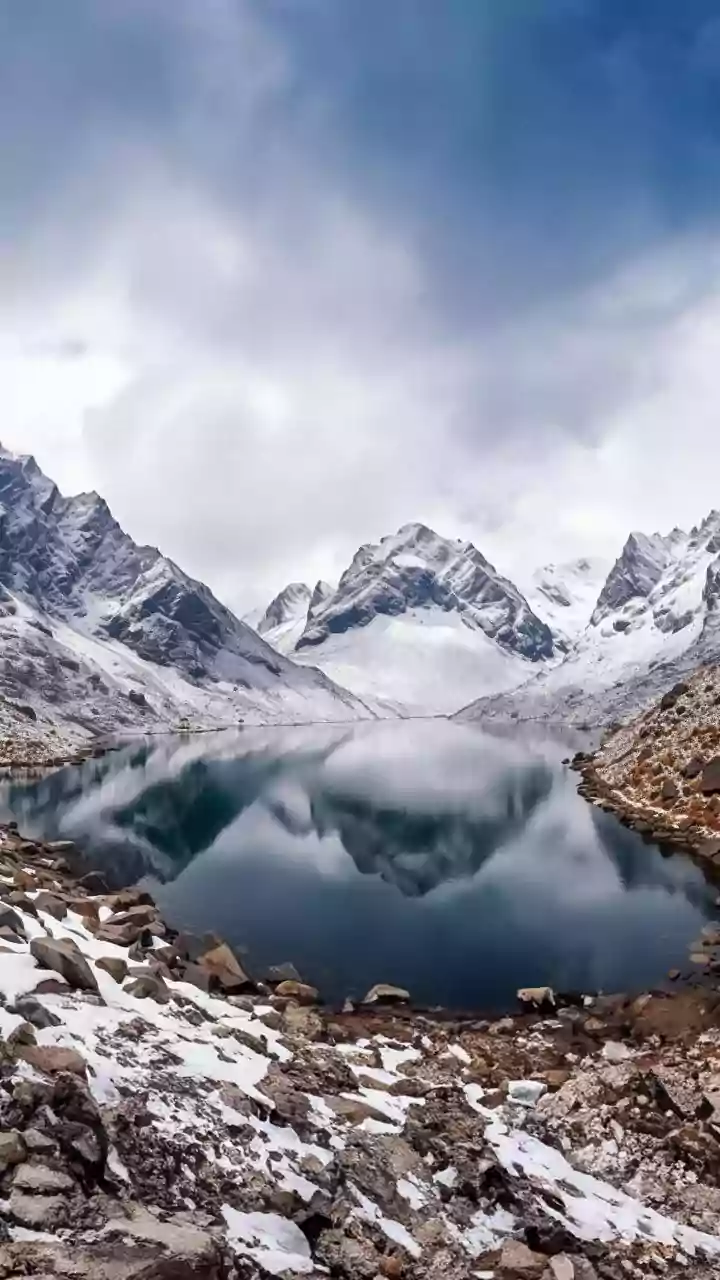
Tso Moriri isn't just a lake; it's a high-altitude wetland of international importance, designated as a Ramsar site. Situated at an altitude of over 4,500 metres (14,836 feet), this brackish lake is one of of the highest in India. Its protected status as the Tso Moriri Wetland Conservation Reserve means development is strictly controlled. Camping or construction is forbidden on its immediate banks, a rule that has preserved its pristine shoreline. This conservation focus ensures the lake's ecosystem remains intact, offering visitors a glimpse of nature in its rawest form. The water shifts through a mesmerizing palette of blues throughout the day, set against a backdrop of stark, snow-dusted mountains.
A Haven for Himalayan Wildlife
The protected status of the lake has made its surroundings a thriving habitat for a variety of Himalayan fauna. For nature lovers and photographers, Tso Moriri is a treasure trove. The lake is a crucial breeding ground for several rare bird species, including the bar-headed goose and the endangered black-necked crane. Birdwatchers can spend hours observing these migratory visitors during the summer months. Beyond the avifauna, the surrounding plateau is home to the Kiang, or Tibetan wild ass, often seen grazing in herds. With a keen eye, one might also spot Himalayan marmots, blue sheep, and even the elusive Tibetan wolf.
Planning Your Journey
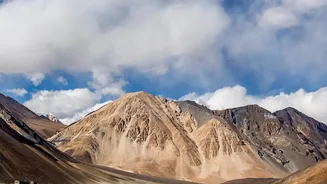
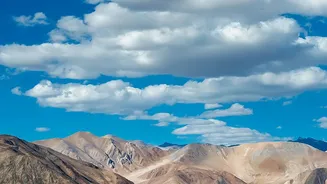
Reaching Tso Moriri is an adventure in itself, a journey of about 220-240 km from Leh that takes 6 to 7 hours. The drive through the stunning, arid landscapes of the Changthang region is part of the experience. Indian citizens must obtain an Inner Line Permit (ILP), which can be acquired online or through agents in Leh. The best time to visit is from May to September, when the roads are clear and the weather is most hospitable. Accommodation is primarily found in the village of Korzok, the only settlement on its shores, and consists of rustic homestays and seasonal tented camps. There are no luxury hotels, which adds to the lake's authentic and grounded appeal.
Acclimatisation Is Key
The high altitude of Tso Moriri makes acclimatisation non-negotiable. At nearly 15,000 feet, the risk of Acute Mountain Sickness (AMS) is significant. It is highly recommended to spend at least two to three days acclimatising in Leh (around 11,500 feet) before proceeding to the lake. This allows your body to adjust to the lower oxygen levels, preventing symptoms like headaches, dizziness, and nausea that can ruin your trip. Travellers should ascend slowly, stay well-hydrated, and avoid strenuous activity upon arrival. Listening to your body is crucial for enjoying the profound beauty of this high-altitude wonder safely and comfortably.