




Naina Devi Temple: The Town’s Mythological Heart
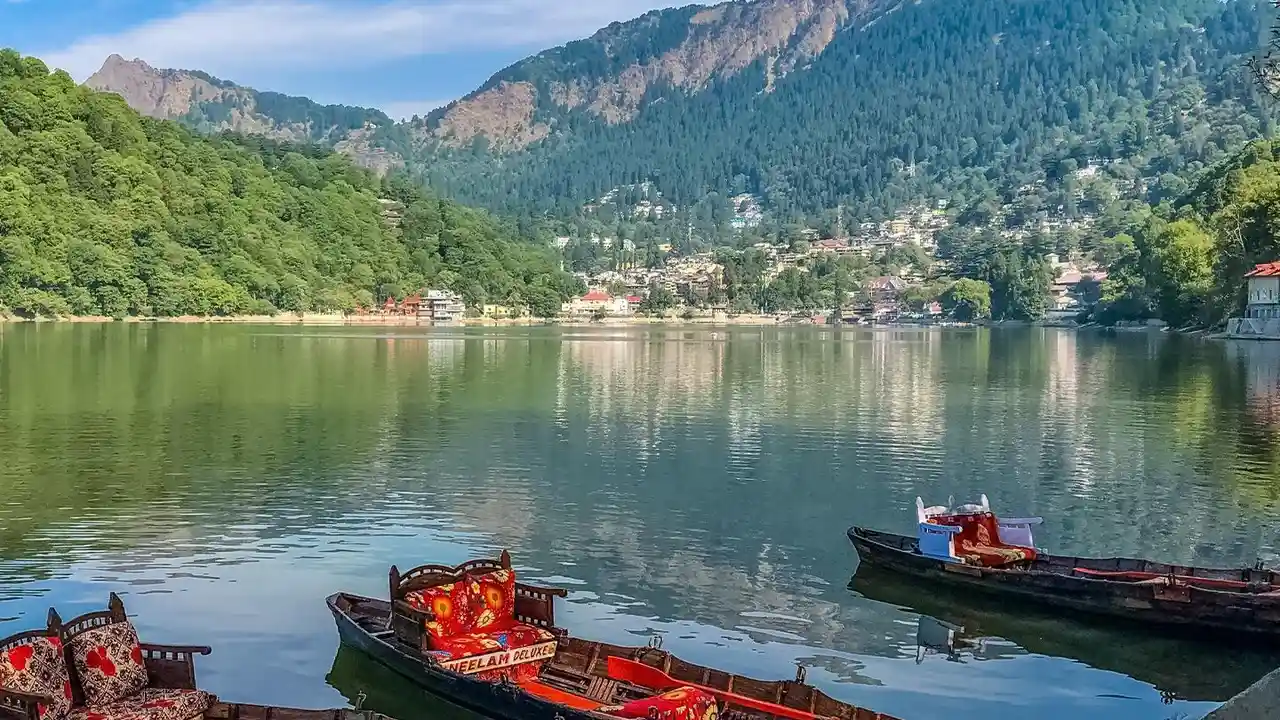
Perched on the northern shore of the Naini Lake, the Naina Devi Temple is the very soul of the town. According to Hindu mythology, it is one of the 51 ‘Shakti Peeths’, sacred sites where parts of the goddess Sati’s body fell to earth. It is believed her eyes,
or 'nain', landed here, giving the town and the lake their names. The original temple was destroyed in the devastating landslide of 1880 but was rebuilt in 1883 by devotees. Worshippers and visitors are greeted by two lion statues at the entrance, leading to a shrine where the goddess is represented by her eyes. Visiting the temple offers a profound connection to the spiritual origins of this popular hill station.
St. John in the Wilderness: A Gothic Gem in the Forest
Tucked away in a tranquil deodar forest in Mallital, St. John in the Wilderness is one of Nainital's oldest and most beautiful structures. Established in 1844, this Anglican church is a stunning example of neo-Gothic architecture. It earned its evocative name when the Bishop of Calcutta, Daniel Wilson, had to stay in an unfinished cabin in the forest while laying the church's foundation. Inside, the stained-glass windows cast a serene light, and a brass plaque poignantly commemorates the residents who perished in the 1880 landslide. The church and its quiet cemetery offer a peaceful retreat into the town's colonial past.
Raj Bhawan: A Slice of Buckingham in the Hills
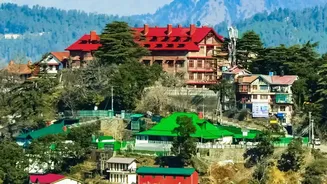
Once the summer residence of the British governors of the North West Province, the Raj Bhawan is an architectural marvel. Built between 1897 and 1900, its design, featuring a Victorian Gothic style with turrets and spires, is often said to be modelled on Buckingham Palace. Set across a sprawling 205-acre estate, the complex includes a 45-acre golf course, lush gardens, and dense forests of oak and deodar. Though now the official residence of the Governor of Uttarakhand, parts of this magnificent 113-room estate are open to the public, offering a glimpse into the opulent lifestyle of the British Raj.
Gurney House: The Home of a Legend
For lovers of literature and wildlife, Gurney House is a mandatory pilgrimage. This charming colonial cottage was the residence of the legendary hunter, conservationist, and author Jim Corbett. Built in the 1880s on the Ayarpatta slopes, the house was sold by Corbett's sister in 1947 when they left for Kenya. Today, it is a private residence but its owners graciously welcome Corbett enthusiasts by appointment. The house still retains many of Corbett's personal belongings and furniture, offering an intimate look into the life of the man who immortalised the Kumaon region in his famous books.
The Mall Road: A Stroll Through History
More than just a bustling shopping street, the Mall Road is a living historical landmark. Constructed by the British, this promenade running alongside Naini Lake has been the town's social and commercial epicentre for over a century. It was designed to connect Mallital (the northern, 'head' of the lake) with Tallital (the southern, 'foot' of the lake). The road was traditionally reserved for the British and upper-class Indians, with strict rules for traffic and decorum. Walking along the Mall Road today, you are tracing the footsteps of generations of residents and visitors who have made this lakeside path the heart of Nainital's daily life.
Tiffin Top (Dorothy’s Seat): A View with a Story
A popular trek or pony ride from the main town, Tiffin Top offers panoramic views of the Himalayas and Nainital. But this spot also holds a poignant history, giving it the alternative name, Dorothy's Seat. A stone bench was built here by a British army officer, Colonel J.P. Kellett, in memory of his wife, Dorothy, an English artist who died tragically. For decades, this seat was a symbol of love and a quiet place to reflect while taking in the stunning scenery. While the specific stone structure was reportedly damaged by a landslide in 2024, the viewpoint itself remains a historic destination that blends natural beauty with a touching personal story.
The British Cemetery: A Somber, Silent Record
For those who prefer their history unvarnished, a visit to the British Cemetery provides a powerful and humbling experience. Located near the St. John in the Wilderness Church, this graveyard contains tombstones dating back to the 1840s. It is the final resting place for many of Nainital’s early European residents, including several victims of the great 1880 landslide that reshaped the town. Walking through the weathered graves, surrounded by the silence of the forest, offers a direct and unfiltered connection to the lives, ambitions, and tragedies of the people who built this hill station from the ground up.