




The Sleeper Seat Lottery
The Indian intercity bus market, projected to be worth over ₹1,04,000 crore by 2026, is dominated by sleeper and semi-sleeper buses for long-distance travel. When you book a ticket, you're not just choosing a seat; you're choosing your environment for the
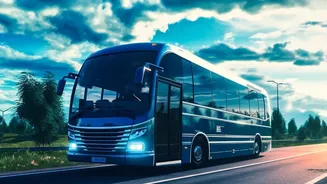
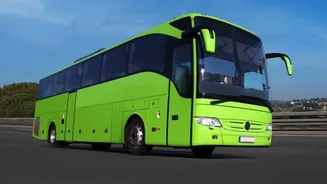
next eight to twelve hours. However, a lack of standardization means 'sleeper berth' can mean many different things. Booking platforms show a basic layout, but the reality can be vastly different. A lower single berth might offer convenience, while an upper berth provides more privacy. Some operators offer premium 1+1 layouts with more personal space, while others stick to a 2+1 configuration. The position of your berth matters immensely. Seats over the wheels are often bumpier, and those at the very back can be noisy due to the engine. The choice between an upper and lower berth involves trade-offs: lower berths are easier to access, especially for older passengers, but can feel less private; upper berths are more secluded but can be affected by the direct blast of an AC vent or feel stuffy.
Why Berth Details Matter More Than You Think
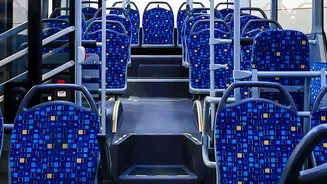
Experienced travelers know that not all berths are created equal. The difference between a peaceful night's rest and a bumpy, sleepless journey often comes down to details that booking apps rarely show. For instance, some buses have berths aligned longitudinally (along the length of the bus), which is now the standard under regulations like AIS-119, while older designs might have transverse (sideways) berths that can be disorienting. Privacy is another major concern. While some modern buses offer curtains for each berth, many do not, leaving passengers in double berths with little personal space. This is a significant issue, particularly for solo women travelers who often prefer single berths or buses with dedicated seating zones for women for enhanced safety. The quality of the berth itself—cushion thickness, availability of a pillow, and working charging points—can also vary wildly. As younger, tech-savvy travelers increasingly expect a level of comfort comparable to airlines, these details are becoming key differentiators for bus operators.
The 4 AM Arrival Problem
Perhaps the most overlooked aspect of overnight bus travel is the arrival. Most services are timed to reach their destinations between 4 AM and 6 AM. While this timing avoids city traffic, it leaves passengers in a vulnerable position. Arriving in an unfamiliar city in the dark presents immediate challenges. Public transport options are often non-existent at that hour, and the few autorickshaws or cabs available may demand exorbitant fares. This is a critical safety issue, especially for solo and women travelers. Many bus terminals lack basic amenities like secure waiting rooms or clean toilets, forcing passengers to wait on dimly lit streets. This final leg of the journey, known as last-mile connectivity, is a persistent problem in India's transport ecosystem. While solutions are emerging in some cities with better integration of metro feeder services or partnerships with ride-hailing apps, for most bus passengers, the journey ends with a stressful and often expensive scramble to get to their final destination safely.
How Technology and Operators Can Bridge the Gap
The push for a more organised, tech-driven bus industry offers potential solutions. Booking platforms have a responsibility to provide more transparency. Instead of generic seat maps, they could include actual photos of the berths, detailed dimensions, and user reviews specific to seat comfort and location. Information about the arrival point should be standard, including the availability of waiting areas and local transport options. Some forward-thinking operators are already professionalising their services. Companies like IntrCity SmartBus and Fresh Bus are focusing on the entire passenger experience, from standardised safety protocols and trained 'bus captains' to providing lounge access at certain boarding points. Innovations like dedicated seating zones for women, live GPS tracking, and proactive safety confirmation calls are becoming more common. By integrating with last-mile service providers, bus aggregators could offer bundled tickets that include a pre-booked auto or cab from the drop-off point, removing the uncertainty and risk of early morning arrivals.