

Two Classics in One Delicious Package
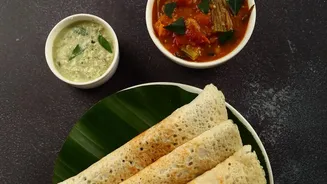
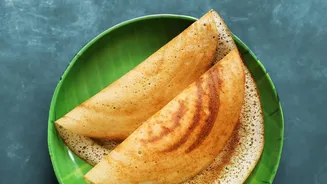
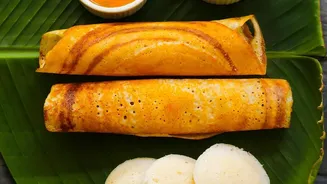
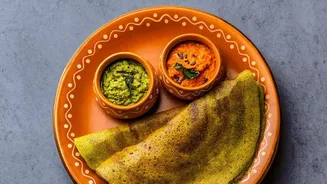
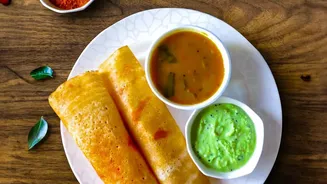
At its heart, Pesarattu Upma is a culinary duet. The first part is the 'pesarattu', a thin, crispy crêpe made from a batter of whole green moong dal (green gram). Unlike a standard dosa, it uses no urad dal and requires no fermentation, which gives it a distinct,
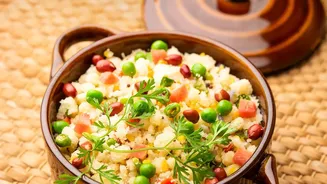
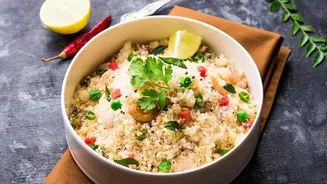
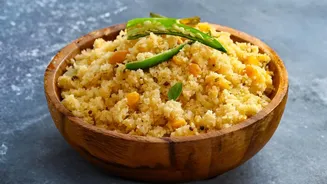
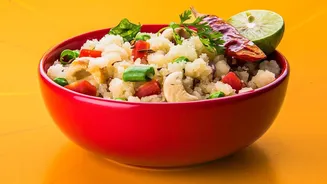
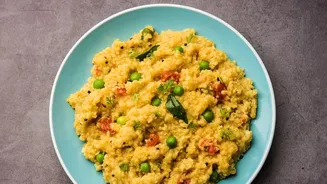
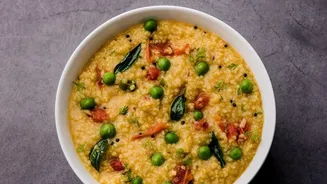
earthy flavour. The second part is 'upma', the familiar and comforting South Indian dish made from dry-roasted semolina (rava) cooked into a thick, savory porridge. The magic happens when a freshly made, crisp pesarattu is filled with a spoonful of soft, steaming upma, folded, and served hot. This combination elevates both dishes, creating a breakfast that is simultaneously hearty and delicious.
The Pride of Andhra Cuisine
Pesarattu Upma is a cornerstone of breakfast in Andhra Pradesh and Telangana. It’s a dish you'll find everywhere, from bustling city restaurants to humble roadside eateries, especially in the coastal regions. There's even a popular version known as 'MLA Pesarattu,' which is said to have originated in the canteens of the Member of Legislative Assembly (MLA) quarters, where it was served as a special, feature-rich version of the classic. Often served with a fiery and sweet ginger chutney known as 'Allam Pachadi', the complete dish is a masterclass in balanced flavours and textures.
Demystifying the 'Extra Prep'
The main preparation step that sets Pesarattu Upma apart is the need to plan ahead. The whole green moong dal for the pesarattu batter needs to be soaked for at least four to six hours, or even overnight. This softens the lentils, making them ready for grinding. Once soaked, the dal is blended with ingredients like fresh ginger, green chillies, and cumin seeds to create a smooth batter. The upma is made separately, a relatively quick process of roasting semolina and then cooking it with tempered spices like mustard seeds, curry leaves, and dal. While it involves two distinct components, neither is overly complex. The process is more about timing than technical skill, making it an ideal project for a weekend morning.
A Symphony of Texture and Taste
The true reward of making Pesarattu Upma is the eating experience. The pesarattu itself is delightfully crispy on the outside, especially when sprinkled with finely chopped raw onions just before folding. This crispiness provides a perfect contrast to the soft, fluffy upma tucked inside. The savoury, slightly spicy upma, seasoned with ginger and chillies, complements the earthy, wholesome taste of the moong dal crêpe. When paired with the traditional Allam Pachadi, the combination is electric. The chutney’s mix of ginger, jaggery, and tamarind adds a sweet, sour, and pungent kick that cuts through the richness and ties everything together.
A Power-Packed, Nutritious Start
Beyond its incredible taste, Pesarattu Upma is a nutritional powerhouse. The pesarattu, made from whole moong dal, is an excellent source of plant-based protein and dietary fibre, which helps keep you feeling full and satisfied. Moong dal is also rich in essential micronutrients like iron, potassium, and folate. Compared to a standard rice-based dosa, pesarattu offers significantly more protein and has a lower glycemic index, making it a healthier option for sustained energy. This combination of protein, carbohydrates, and fibre makes it a complete and balanced meal to kickstart your day.